The editor's view
Thanking the moon places human rhythms beside those of nature.
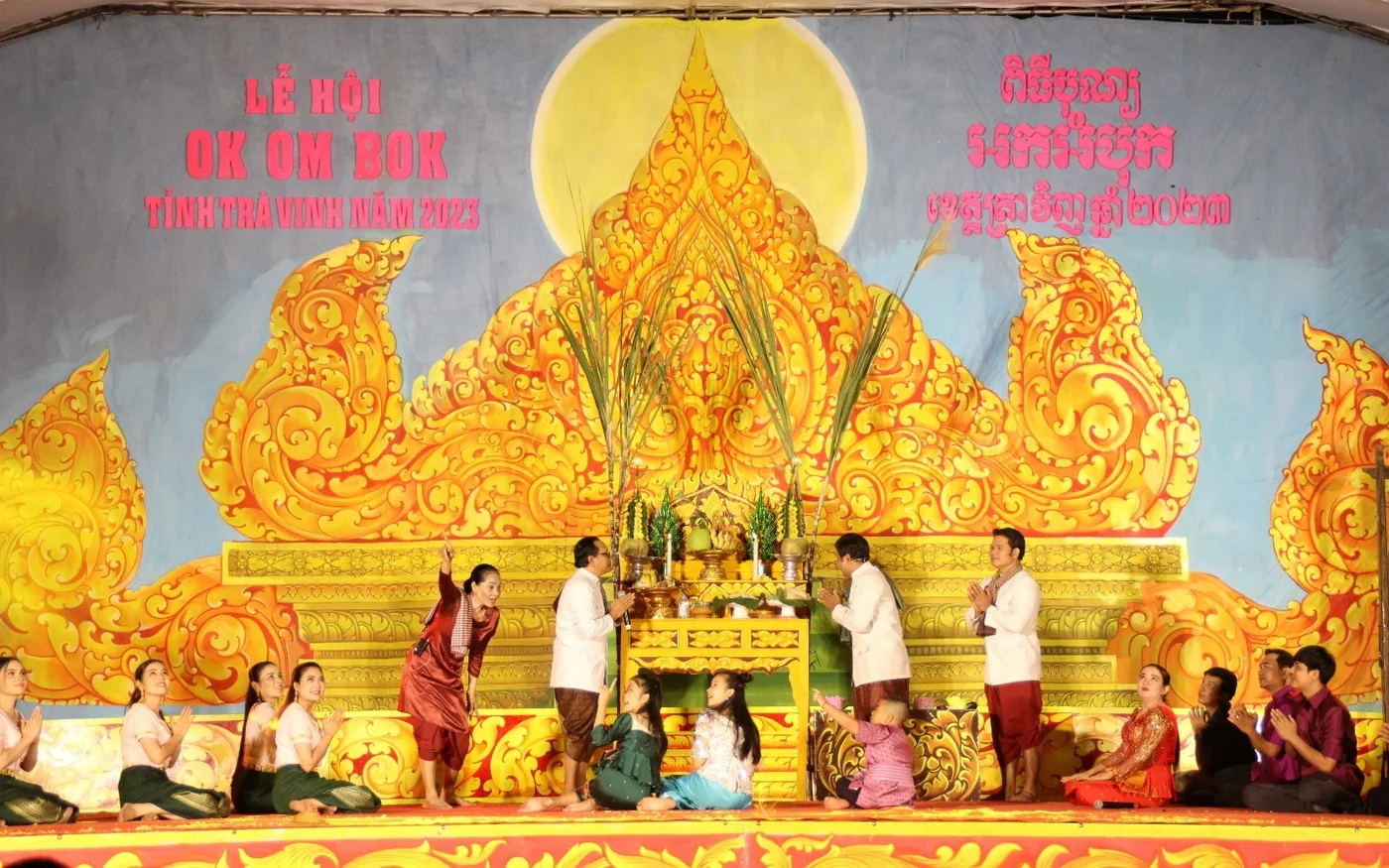
Ok Om Bok approaches that relationship through familiar things: a season of work, food offered and a moment when a community turns its attention skyward.
- When
- Annual full moon of the tenth lunar month · confirm 2026 schedule
- Where
- Ao Ba Om and nearby Khmer cultural spaces
- Tickets & conditions
- No ritual admission fee published; activities and services have separate terms
Begin with the meaning of thanks
The observance is associated with thanks after a season of work and offerings such as flattened rice and seasonal produce. Ask children whom their own family thanks when a meal reaches the table. That connects a cultural practice with everyday life without turning someone else's ritual into a game or an assignment to complete.
A pond and several ways of noticing
Ao Ba Om gives the subject a particular setting, but not every activity called Ok Om Bok takes place at one spot beside the pond. When a ceremony welcomes observation, leave space and ask before photographing worshippers. Looking at the water or finding the moon can give a child a quiet focus while remaining well back from the edge.
A ceremony needs its own notice
There is no confirmed 2026 Gregorian date for this entry. Attending requires an occurrence-specific notice rather than annual custom alone. Boat racing, processions or performances, when organised, have their own arrangements. An enquiry into Ao Ba Om remains different from promising that a particular evening will contain a complete programme of festivities.
A plan that is enough
Reopen the official source for “Ok Om Bok at Ao Ba Om: a moonlit thanksgiving” on the day of the visit; check timing, venue and entry terms.
Open the official page on the day of your visit to confirm timing, weather and venue changes.
Save a meeting point and exit before entering a crowded area.
Bring water, light rain protection and an indoor backup for children.
Sources behind this guide
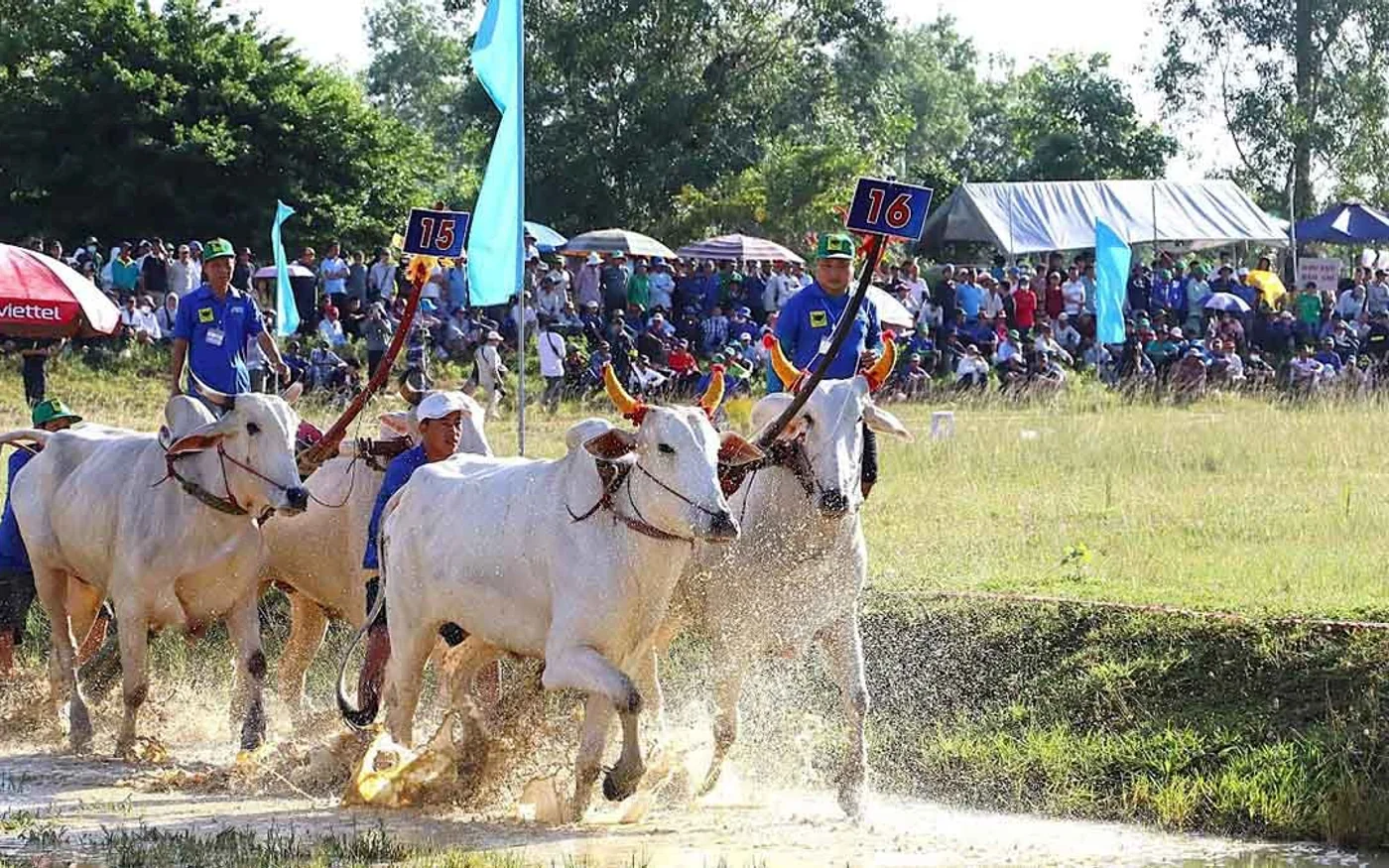
Bay Nui cow racing: a morning of mud and speed
7:30am · 10 Oct 2026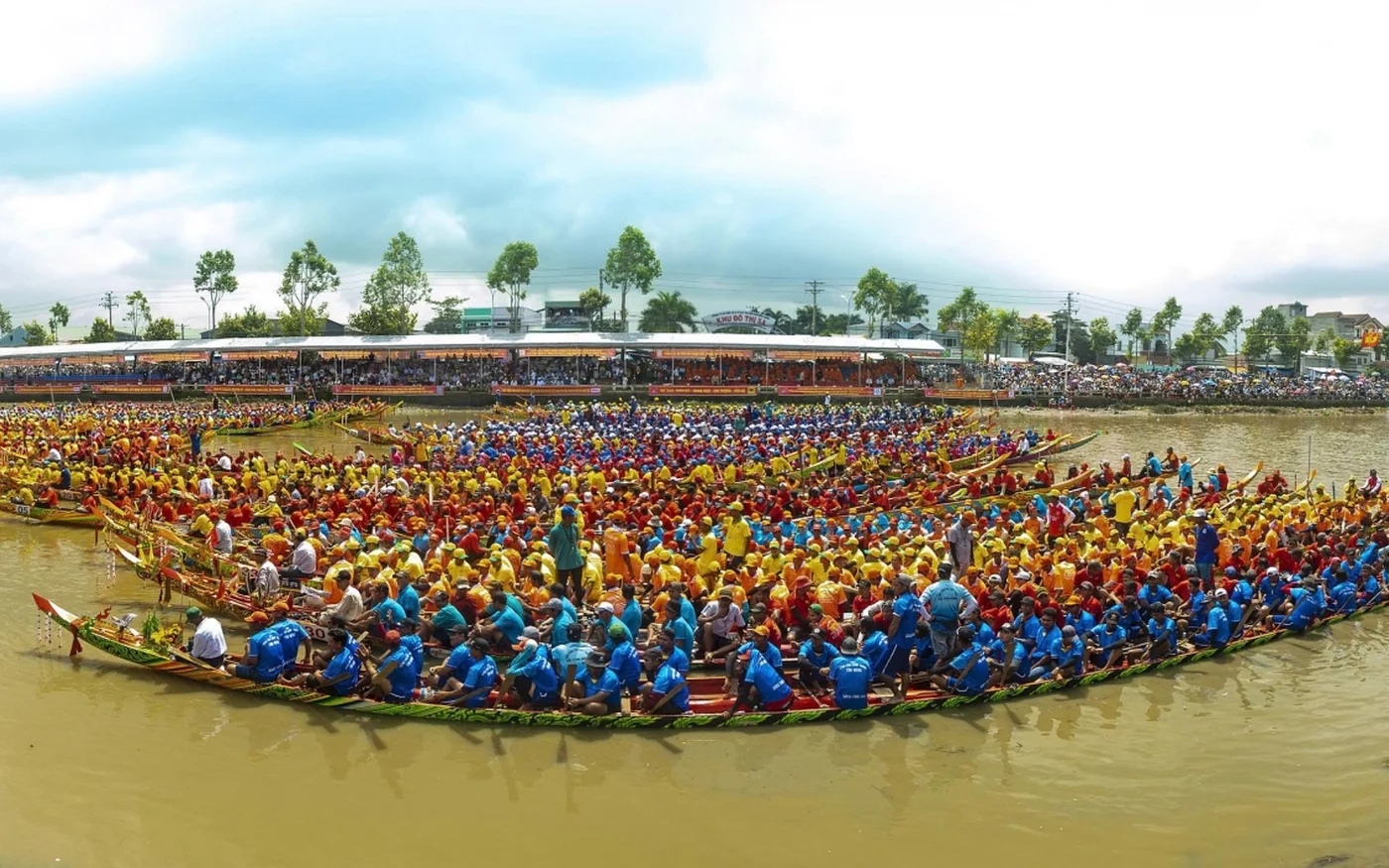
Can Tho Oóc Om Bóc Festival and Khmer Boat Race 2026
21–24 November 2026; opening at 20:00 on 22 November, racing from 12:00 on 23 November and closing at 16:30 on 24 November. Recheck the official plan before travel.