Your first prenatal visit: prepare enough to ask clearly
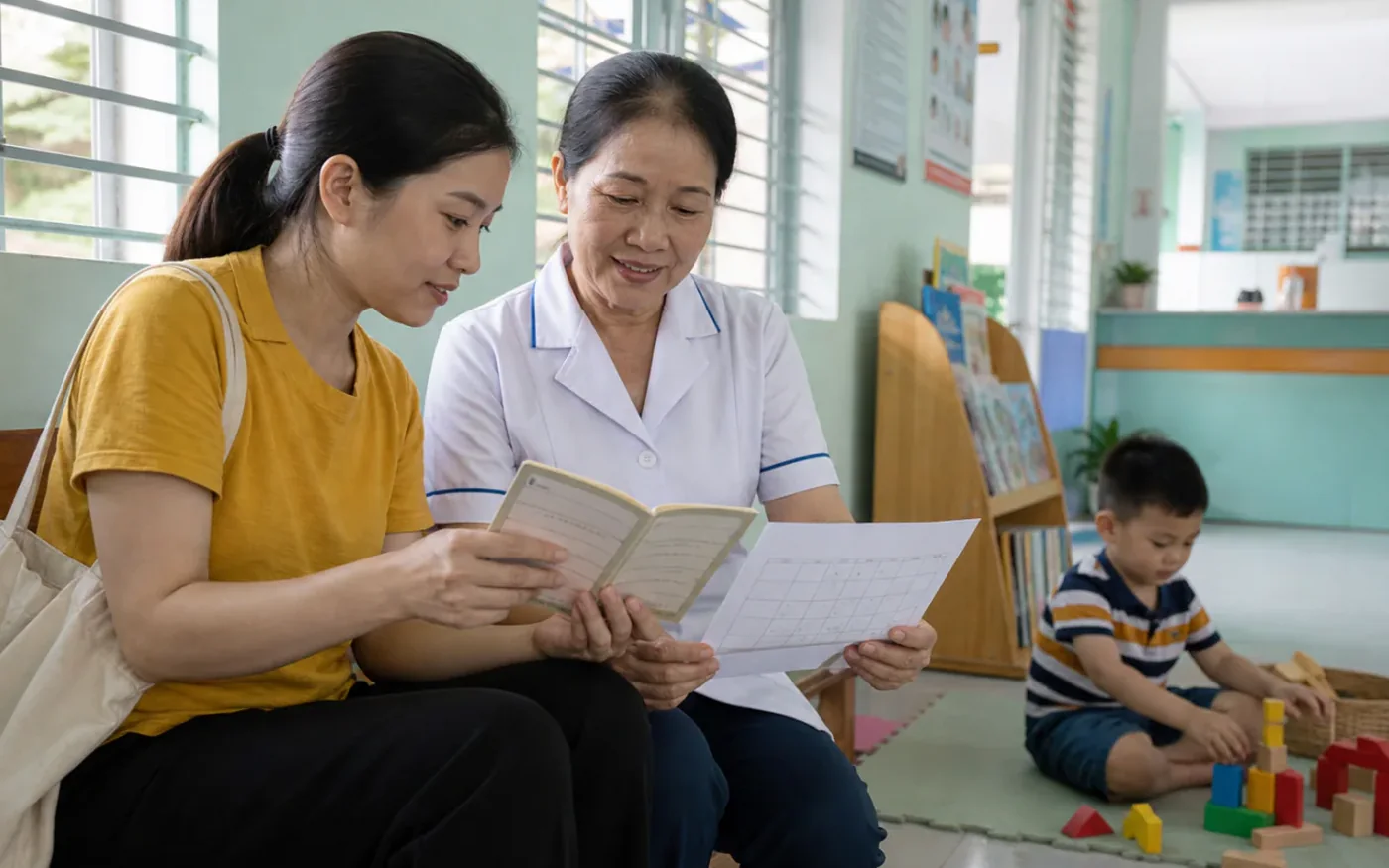
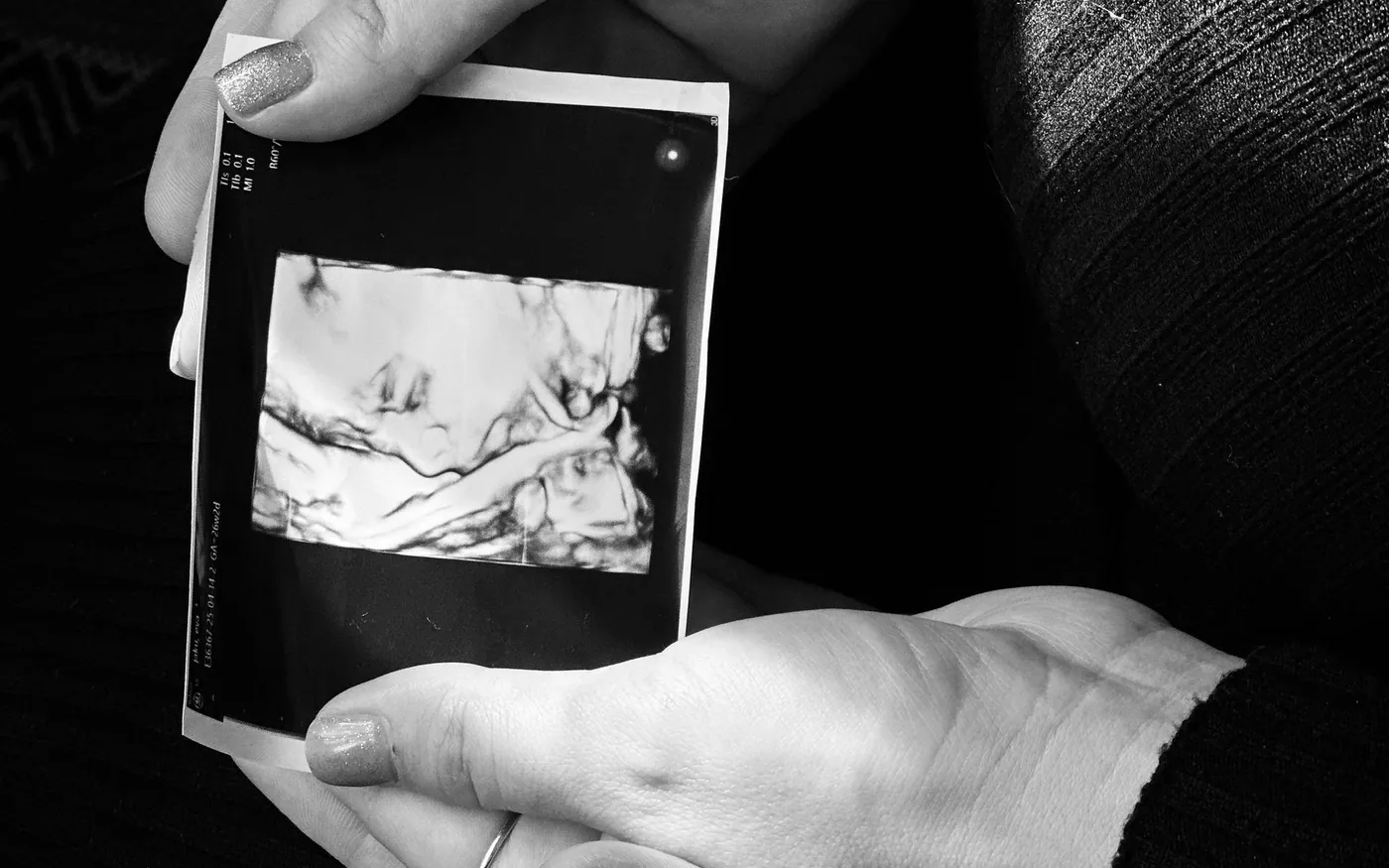
You do not need a perfect file. One focused page can make the appointment much clearer.
From planning pregnancy through the early years: search by stage, question, or what you need to do today. Every NIMO guide includes practical checklists, fact-check sources, and update dates.
You do not need a perfect file. One focused page can make the appointment much clearer.
Start with your hospital's rules, not an online shopping list.
A baby needs safe sleep and daily basics, not a room full of products.

Self-care is not a reward. It is part of keeping the whole family functioning.
The right hospital must fit health needs, travel, budget, and family life—not just reputation.
A practical family plan for shifts, meals, visitors, and urgent situations.
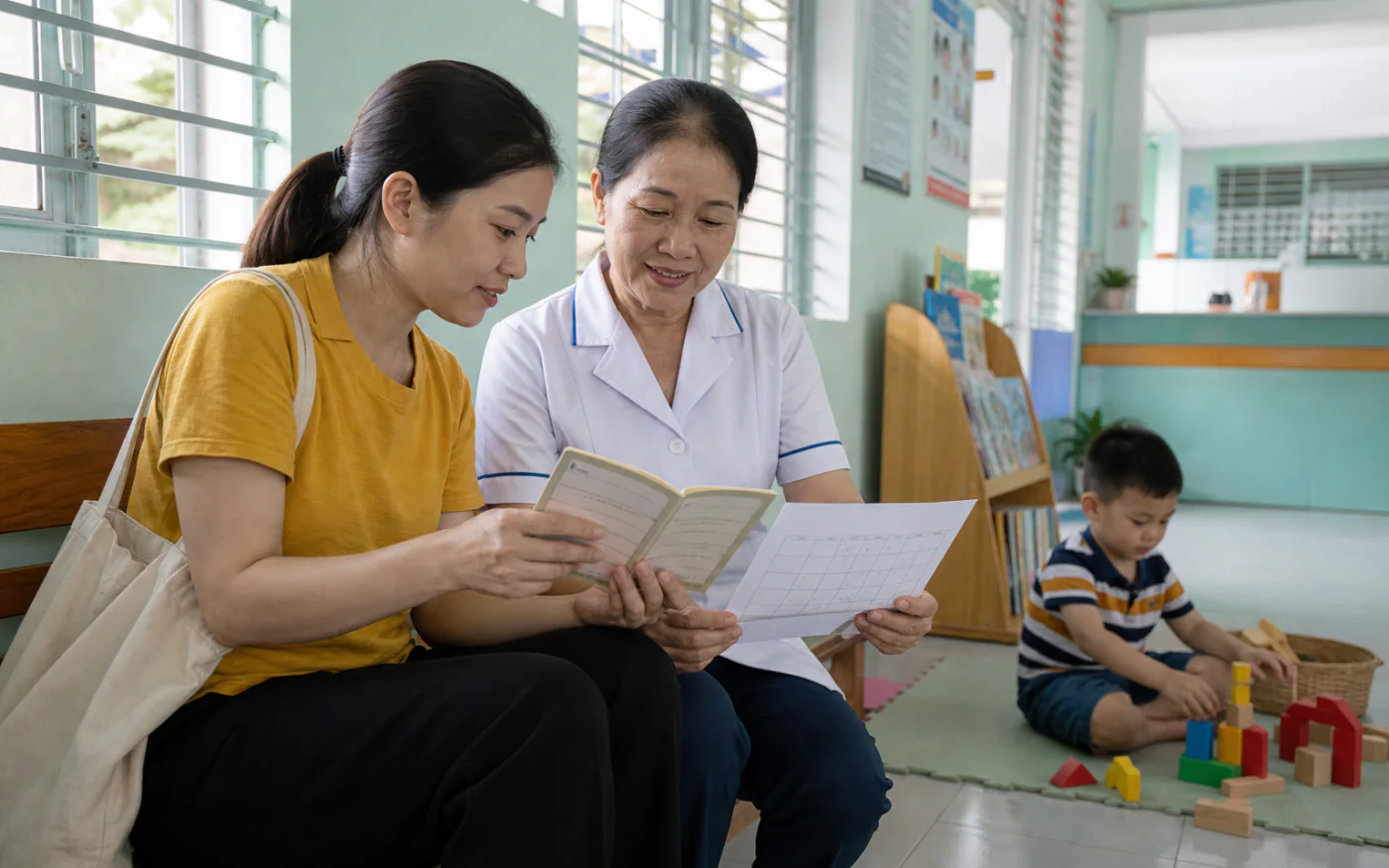
A short list means you do not have to remember everything in a busy clinic.
Prepare around your baby's readiness and family rhythm, not an ideal kitchen.
Your voice, face, and safe household objects already make many games.
A short timeline is more useful than hundreds of undated videos.
The right thermometer, number, and brief note help you act more clearly.
A box, a few plastic cups, and an adult who can wait create many games.
Meals, dressing, and even an elevator ride can become conversation.
One shared question set helps families compare care, communication, and emergencies.
Get down to floor level, walk common routes, and fix real hazards before buying devices.
Record remembering, preparing, and following up, not only hands-on tasks.
A small plan for weeks when you cannot add another task.
Divide preparation into health, daily rhythm, and logistics so three months do not become a perfection contest.

Discuss care, money, relatives, and help before exhausted days make every decision harder.

Bring one page of health information and ask the purpose of each recommendation instead of buying the longest package.
A cost range and a few workplace questions are more useful than a falsely exact number.
Complete label photos support better advice than saying you use only ordinary medicine.
Confirm where to call, keep medicines safe, and prepare a short record before buying anything new.
A name-purpose-timing-next-step table is easier to follow than a package list.
Build the day around water, meals, rest points, and a backup route instead of forcing the old pace.
One page on priorities, communication, and plan B is more useful than a minute-by-minute script.
Choose visiting hours, useful tasks, and one communicator so the recovering parent does not defend every rest period.
Track sleep, mood, functioning, and worrying thoughts so help can begin before overload.
Rehearse a day, confirm documents, and hand over baby care before everything must run at once.
Base decisions on the baby's needs, caregiver health, and real support rather than moral judgment.
Bleeding or pain alone cannot confirm miscarriage or ectopic pregnancy; the priority is recognizing emergencies and being assessed in time.
Your chosen hospital's instructions come before any online formula; save the number and route before the due date.
These checks look for problems that may have few or no symptoms; a single number is not a diagnosis to treat yourself.
Pain, lochia, and fatigue should be followed as trends; recovery is not a race back to normal.
A caesarean is major surgery; gentle movement can help, but recovery pace and wound care must follow hospital instructions.
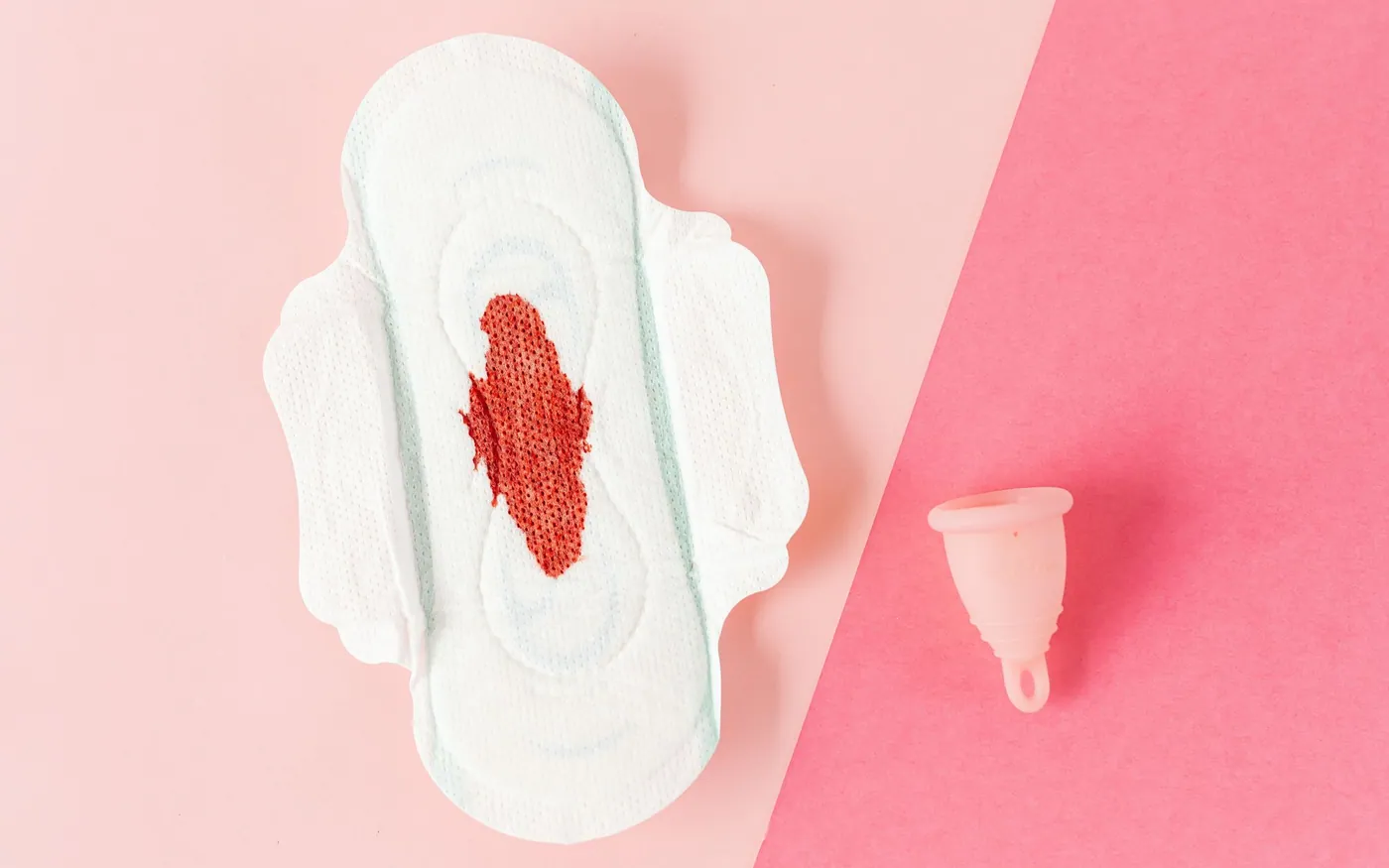
Normal lochia changes over time, but rapidly increasing flow, dizziness, fever, or foul smell needs action, not observation alone.
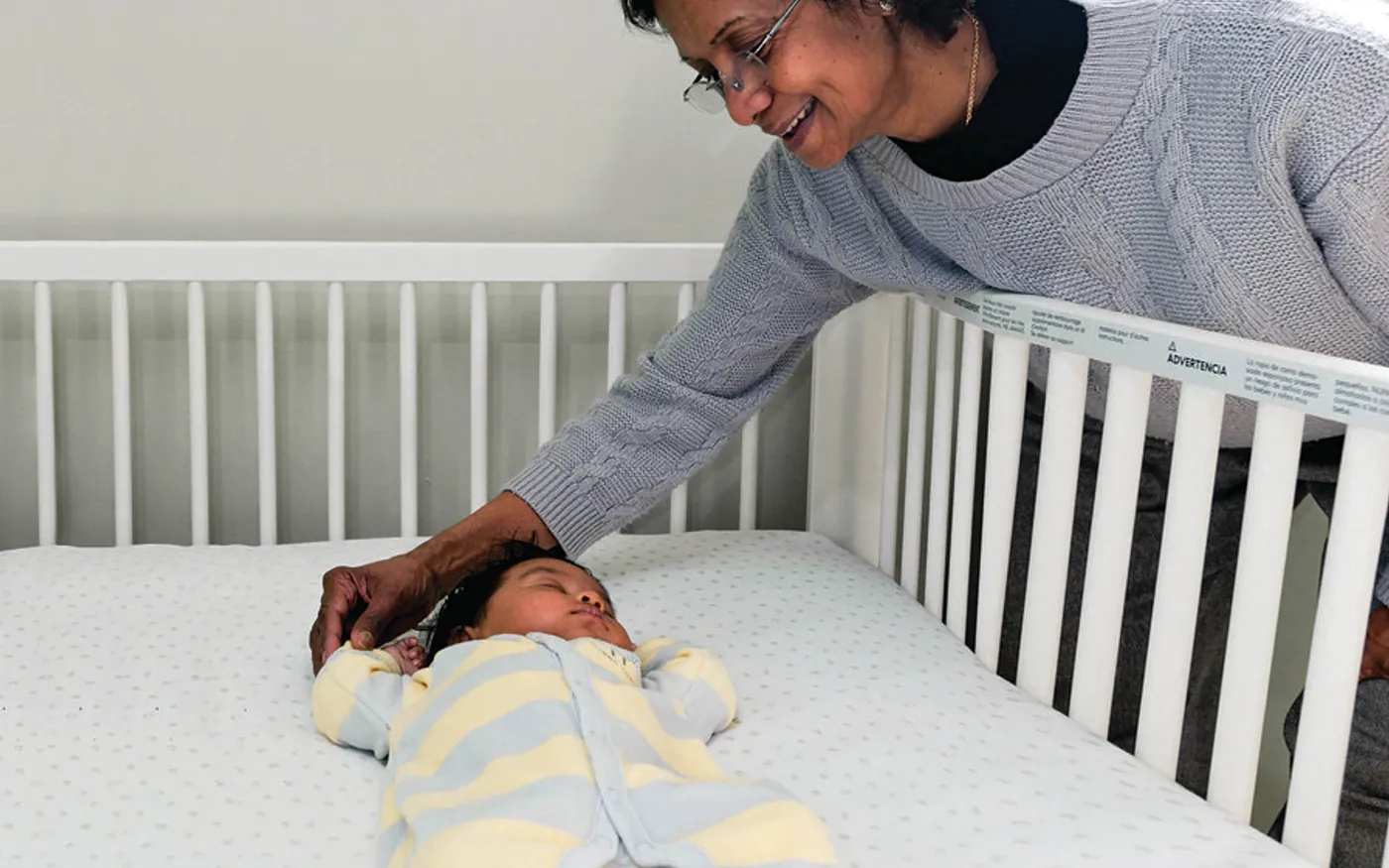
Back sleeping, a firm flat surface, no soft items, and room sharing without surface sharing are the foundation for every sleep.
Development-appropriate food, seated supervised meals, and hands-on first-aid training are three essential layers of protection.
Brush from the first tooth, use a tiny age-appropriate amount of toothpaste, and make it a daily routine.
Toddlers learn through repetition: keep a few daily anchors, respond calmly, and begin toilet learning when readiness appears.
Cycle changes have many causes; a short log helps a clinician understand the pattern without you diagnosing yourself.
The right method must fit goals, health, ability to use it, acceptable side effects, and sexually transmitted infection protection needs.
HPV vaccination does not replace screening, and screening does not replace vaccination; confirm timing under current Vietnamese guidance.
Preconception health is not only the pregnant partner's job; both partners' history, medicines, infections, habits, and support matter.
Twelve months is a common definition, but age, cycles, and history can justify earlier advice; assessment should include both partners.