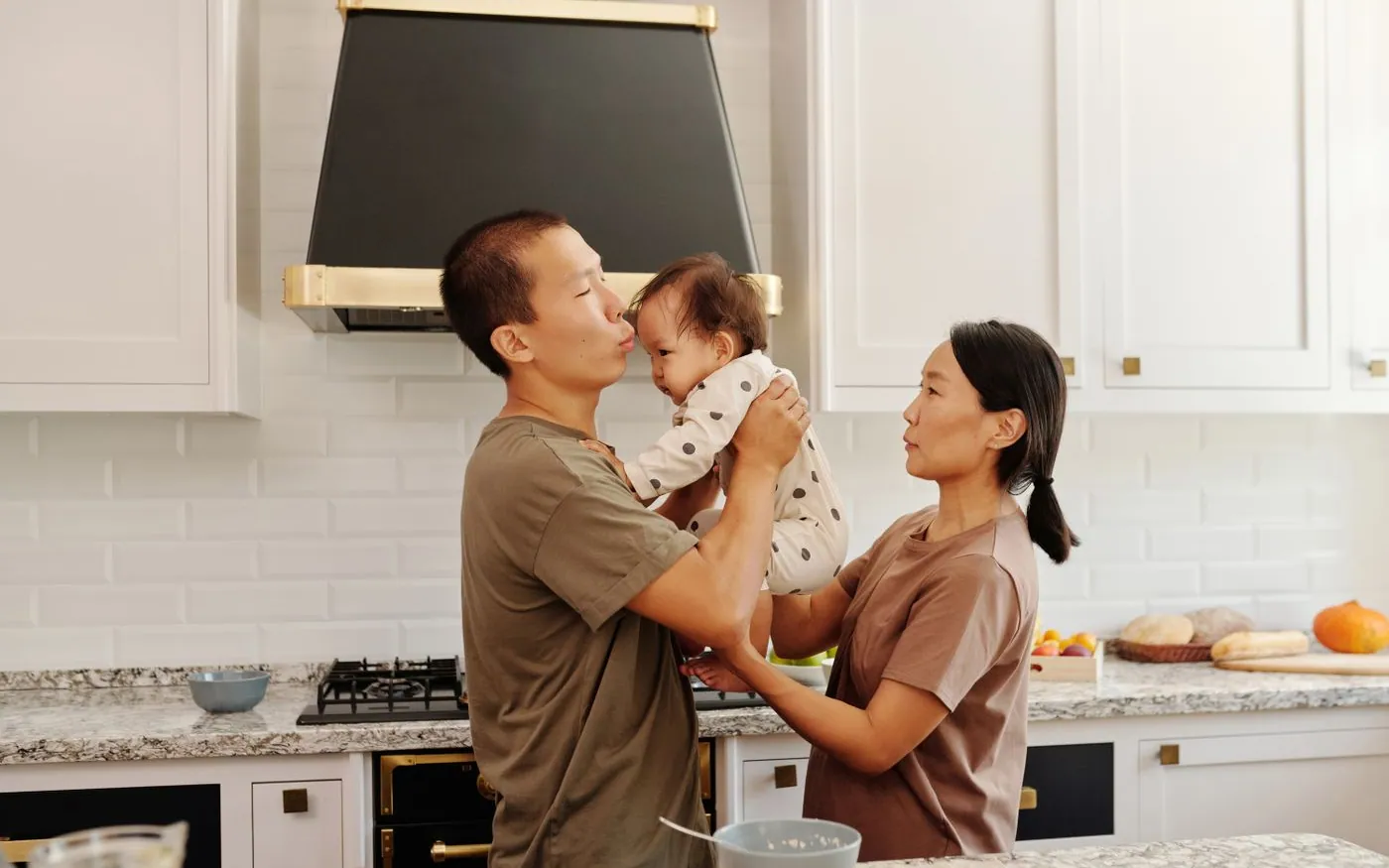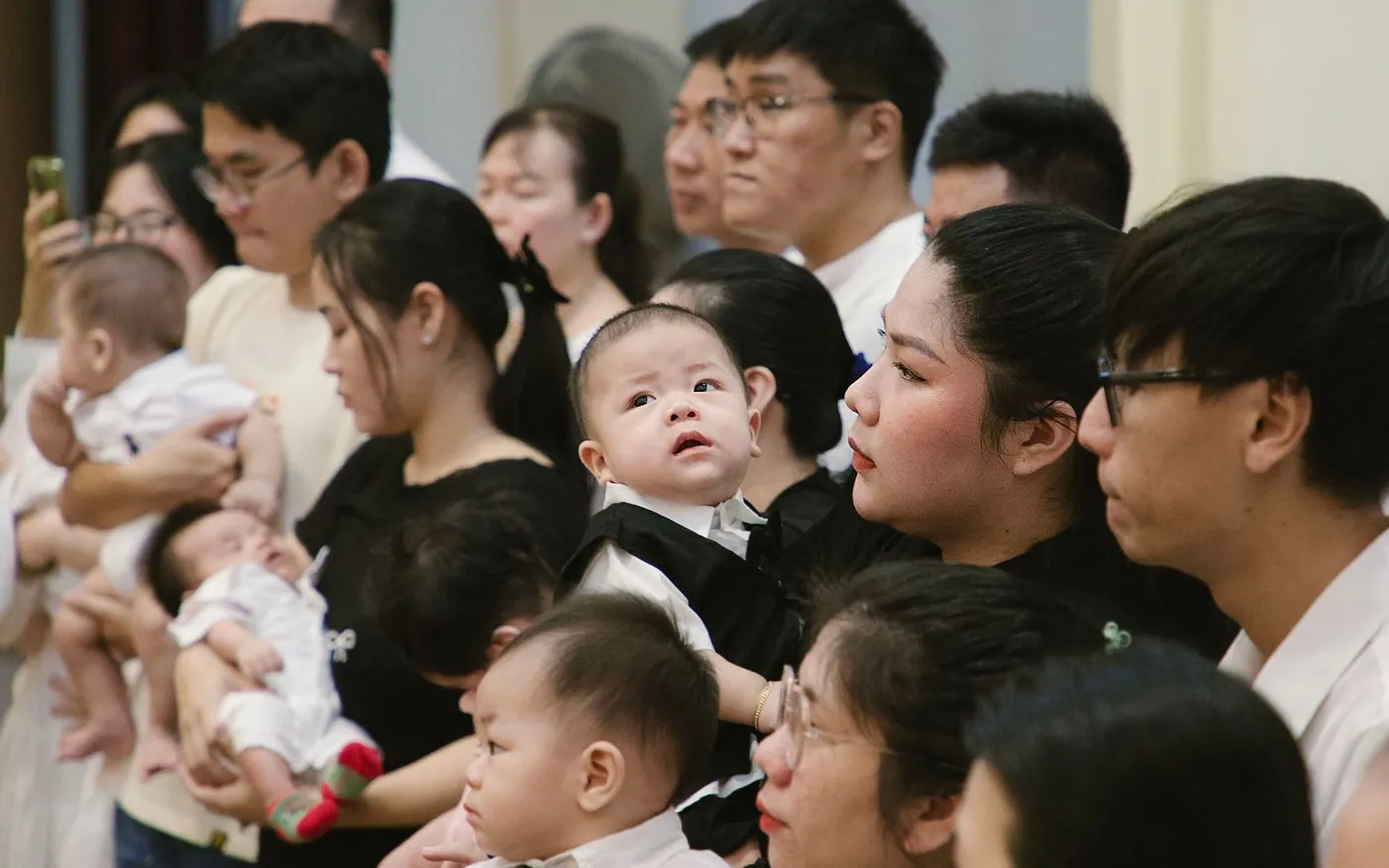
A relative arriving with soup can make a day easier. A visit can also bring drinks to serve, a room to tidy, a baby passed around and a recovering parent sitting upright when they want to lie down. Postpartum boundaries are not rankings of who loves the baby most. They clarify what the household needs and which visits fit. The scripts below are NIMO suggestions: change the terms of address, timing and length while retaining the right to rest and decline.
The short version
- 01
An invitation can be limited or withdrawn when needs change.
- 02
A spokesperson communicates the household agreement without blaming the recovering parent.
- 03
Health, holding and photo boundaries do not require a visitor's approval.
Jump to the part you need
Agree on your needs before messaging everyone else
The recovering parent and anyone sharing infant care can discuss what is draining: crowds, noise, explanations about feeding or lost privacy while changing. There is no need to adopt someone else's fixed no-visitor period. One household may welcome a quiet relative early; another may pause visits. If parent or baby has an individualized clinical plan, those instructions take precedence over the social calendar.
Choose one contact person and authorize them to say ‘today does not work’ without consulting the parent for every request. Use ‘we have agreed’ rather than ‘the mother is being difficult.’ If household members disagree, do not invite guests first and make the recovering person accept a completed arrangement. A small household can use a brief standard reply instead of assigning someone to answer the phone all day.
Before the visit: make the invitation specific
An example message is, ‘Thank you for checking in. This week we are only seeing visitors by arrangement. If parent and baby are well, Saturday afternoon could work for about 15 minutes with two people at most. We will not be hosting; an agreed meal dropped off is also very welcome.’ The time and group size are examples of household choices, not medical limits.
Build flexibility into the invitation: ‘If we need rest or feeding time that day, we may postpone. Please wait for confirmation before setting off.’ This matters for people travelling farther. When requesting food, specify the dish, portions and whether containers need returning. Helpful gifts should not generate another chain of questions about equipment or leave an already stretched household sorting an overfilled refrigerator.
When an unannounced visitor is already at the door
You need not turn an unexpected arrival into a visit simply because the person is outside. The contact person can say by phone or at the door, ‘Thank you for coming. We are not receiving visitors today; parent and baby need rest. I can take anything you brought at the door, and we can arrange another time.’ Do not add ‘perhaps just briefly’ unless you genuinely want to invite them in.
If they say they travelled a long way, respond, ‘I understand the effort and appreciate it. We still cannot host today. Next time let's confirm before you travel.’ Apply the same principle when invited guests bring extra people instead of automatically finding more chairs. If someone becomes threatening or disregards safety, secure the home, seek trusted help and avoid confrontation; that is no longer merely a question of politeness.
Health precautions also apply to close relatives
NHS advice emphasizes handwashing before handling a baby and the risk of cold-sore herpes from kissing newborns; Gloucestershire Hospitals advises postponing visits when unwell. A usable line is, ‘I know it is only a small cough, but we are postponing contact with the baby today. Let's rearrange when you are well.’ You need not prove transmission will occur. Prematurity or illness may require the baby's own team's instructions rather than borrowed neonatal-unit rules.
An unwell household member or essential caregiver is a different situation from an optional visitor; the solution is not simply expelling them. Discuss appropriate precautions and a substitute caregiver where feasible while preserving safe care. Nonessential visitors can send messages or supplies instead of close contact. At arrival, try, ‘Please wash your hands first. We are not kissing the baby, and please ask before picking them up.’
Ask for the baby back and end the visit
When the baby needs feeding or rest, or you simply want them back, you do not need a reason the visitor finds persuasive. Say, ‘I'll take the baby now; I need to look after them.’ If the response is ‘just a little longer,’ repeat, ‘I'm taking the baby now. Thank you for understanding.’ A supporter should facilitate a calm handover rather than laugh while the parent has to struggle to be heard.
At the end, the contact person can stand and say, ‘Thank you for coming. We are moving into rest time now, so this is where today's visit ends.’ If guests remain, repeat the message rather than open another topic or make more tea. The recovering person can leave the room without escorting everyone out. A planned visit is not permission to stay until the household is exhausted.
Photos and advice are not automatically included
Permission to take a photograph and permission to publish it are separate. Try, ‘We are not sharing baby photos online. Please ask before taking any, and do not forward today's pictures without permission.’ If a photo is already posted, say, ‘Please remove this image and do not pass it on. We will send a shareable photo when ready.’ This is a household privacy agreement, not a statement of legal rules.
For advice about feeding, body shape or care, redirect: ‘Thank you for caring. We are working through that with our care team, and I do not want to discuss it today. Would you like to help fold these cloths instead?’ Advice need not be malicious for you to decline it. Offer a useful task only if you want the help, not as a price you must pay for being left in peace.
Keep the connection, not every original arrangement
If a relative is disappointed, acknowledge it without withdrawing the boundary: ‘I know you are looking forward to meeting the baby. We want a relaxed visit too, and will message when ready.’ Share a short update if you wish, but you do not owe daily videos as compensation. A good boundary does not guarantee immediate approval; it prevents health and rest becoming payment for avoiding someone else's disappointment.
Every few days, ask whether the recovering person wants fewer visitors, quiet companionship or a different kind of help. A visitor pause should not become isolation for someone who wants connection, and reopening the door does not remove every limit. Retain what helps and change what does not. A meaningful visit can be brief: an agreed meal at the door and ‘No reply needed; get some rest.’
Practical checklist
- Prepare an invitation with a postponement clause and a doorstep refusal.
- Agree who ends the visit and supports returning the baby.
- Separate photo-taking permission from sharing permission.
- Revisit the recovering person's need for connection, not only visitor numbers.
From the guide to your next step
How NIMO built this guide
NIMO writes and localizes each guide for Vietnamese families, then checks key facts against the official references below. The links support the guide; they are not the guide itself.
Sources checked by NIMOFor symptoms or treatment decisions, confirm with an appropriate health professional.Next review · Dec 5, 2026