The editor's view
Durian's smell can divide a family, but agreement about liking it is not required to learn about the crop.
Dak Lak's 2026 edition placed the fruit within a wider story of growers and its journey to market.
- When
- 2026-08-15 – 2026-09-02: historical edition; not a live schedule
- Where
- Buon Ma Thuot, Krong Pac, Tuy Hoa and durian-growing areas
- Tickets & conditions
- Varies by activity; products and tastings may be charged separately
From a variety name to its origin
A growing-place name raises questions beyond whether a fruit tastes good. Which variety is it, when is it harvested, who packs it, and how does its origin remain visible as it travels? These are ways into the festival's subject without tasting every type. For children, connecting a fruit with a named place makes agriculture less abstract.
A stage is not an orchard
The 15 August opening at 10 March Square in Buon Ma Thuot was one milestone in a programme across several localities. Stage events, displays and orchard experiences served different purposes. Looking back, separate public promotion from growing and packing work. That distinction helps explain a production chain more clearly than treating one festival image as the whole industry.
Keep each activity's own timeline
The overall window ended on 2 September, while product displays closed on 23 August. This is therefore a past edition, not an invitation to operating stalls. A later orchard visit needs its own arrangement with a place receiving visitors. What can continue immediately is curiosity about the people behind the fruit, including for family members who prefer not to eat it.
A plan that is enough
Reopen the official source for “Dak Lak Durian Festival 2026: following a harvest” on the day of the visit; check timing, venue and entry terms.
Open the official page on the day of your visit to confirm timing, weather and venue changes.
Save a meeting point and exit before entering a crowded area.
Bring water, light rain protection and an indoor backup for children.
Sources behind this guide
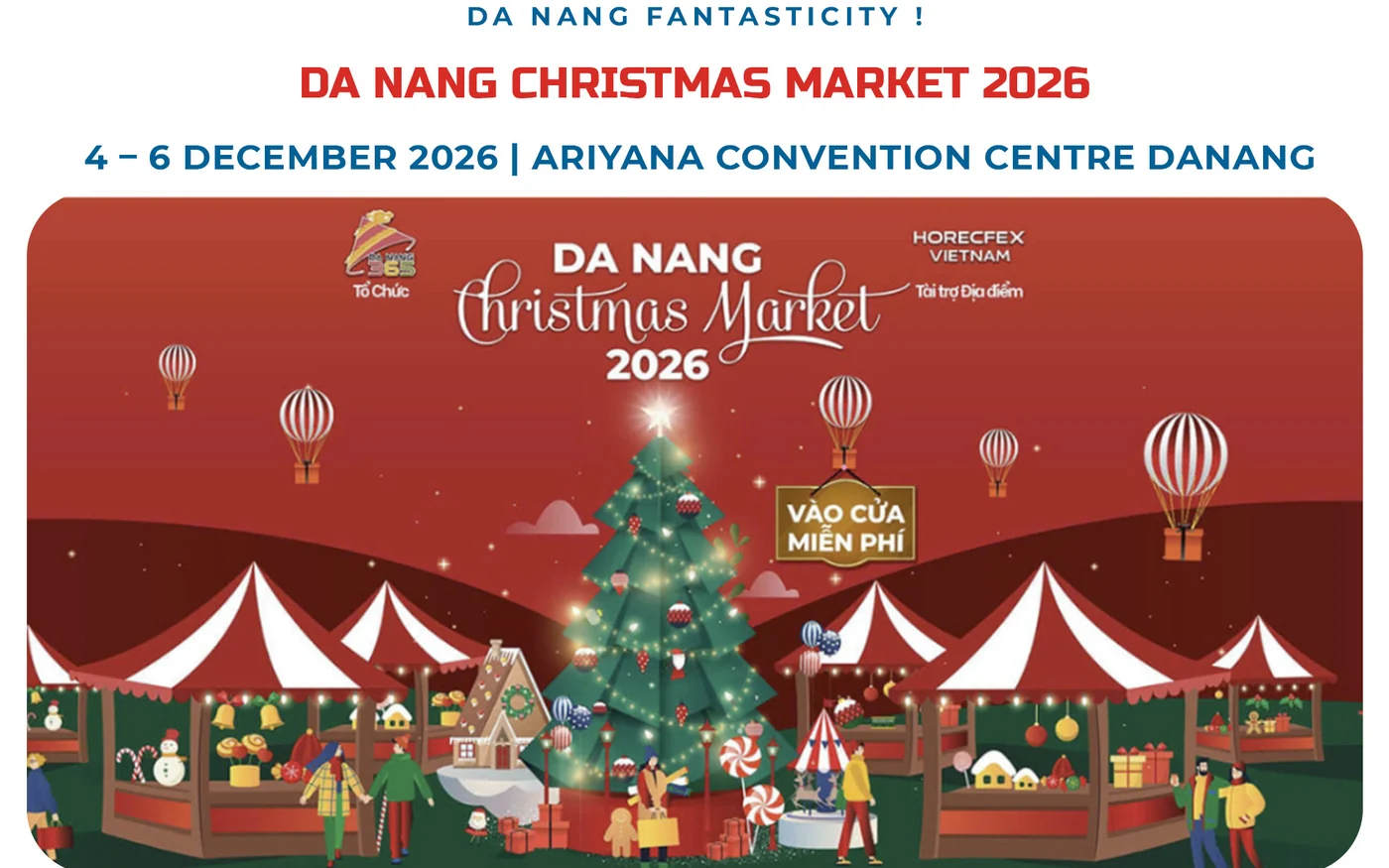
Da Nang Christmas Market 2026
4–6 December 2026; detailed opening hours are not yet published, so check the official page before travel.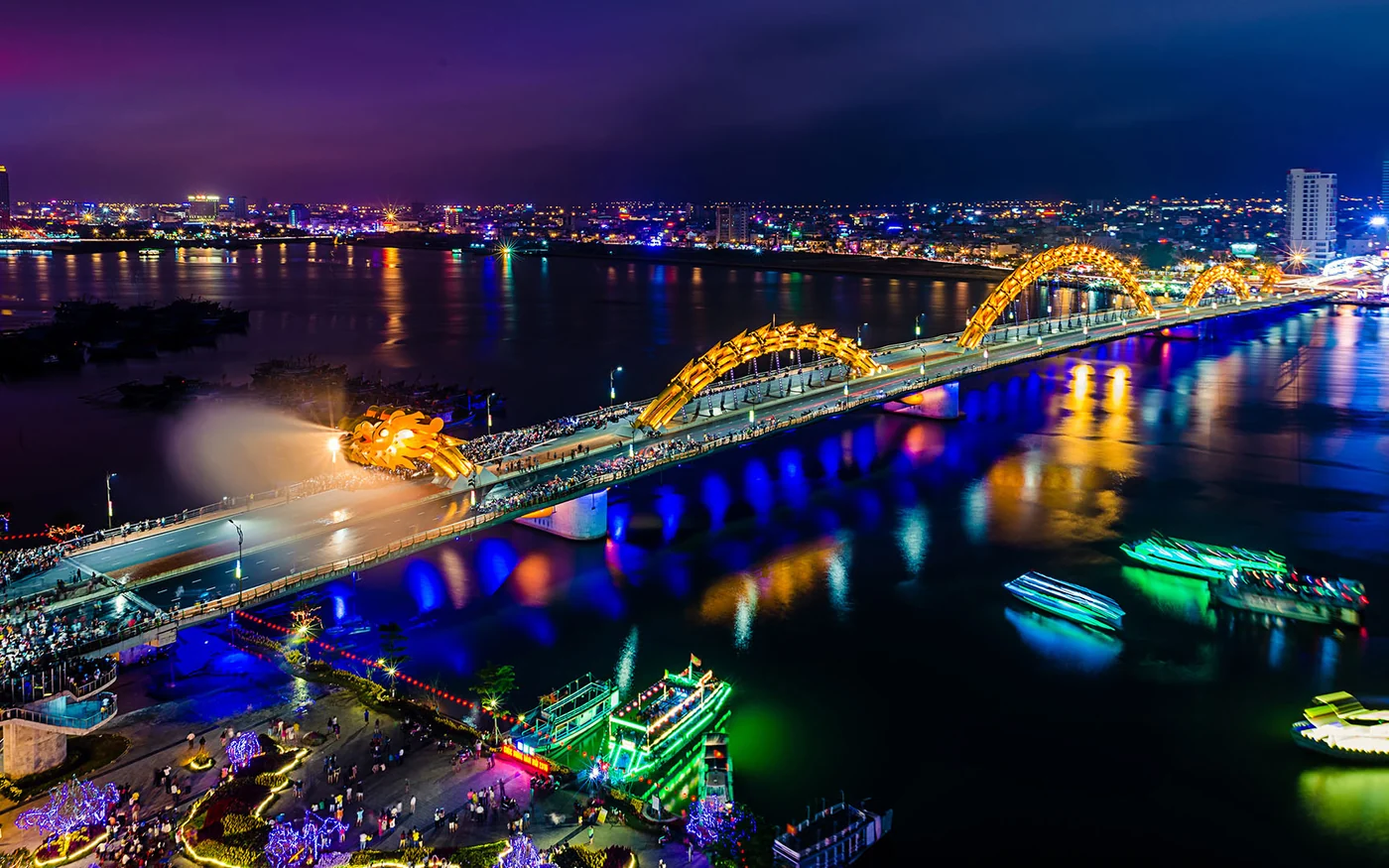
Dragon Bridge Fire and Water Show
Friday, Saturday, Sunday and major holidays at 21:00; about two minutes of fire followed by three minutes of water. Recheck the day's schedule.