The editor's view
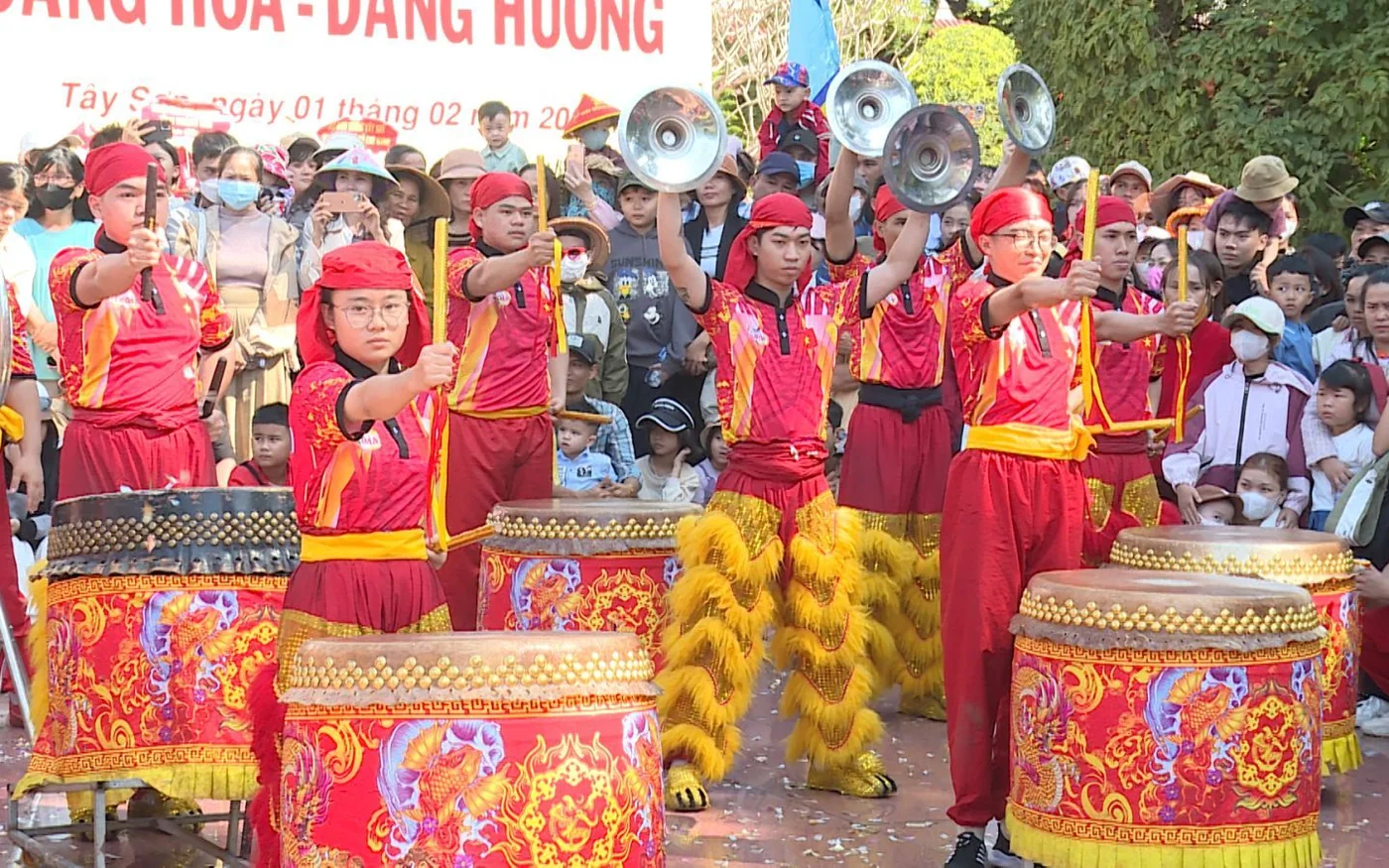
A drumbeat can make history feel less remote.
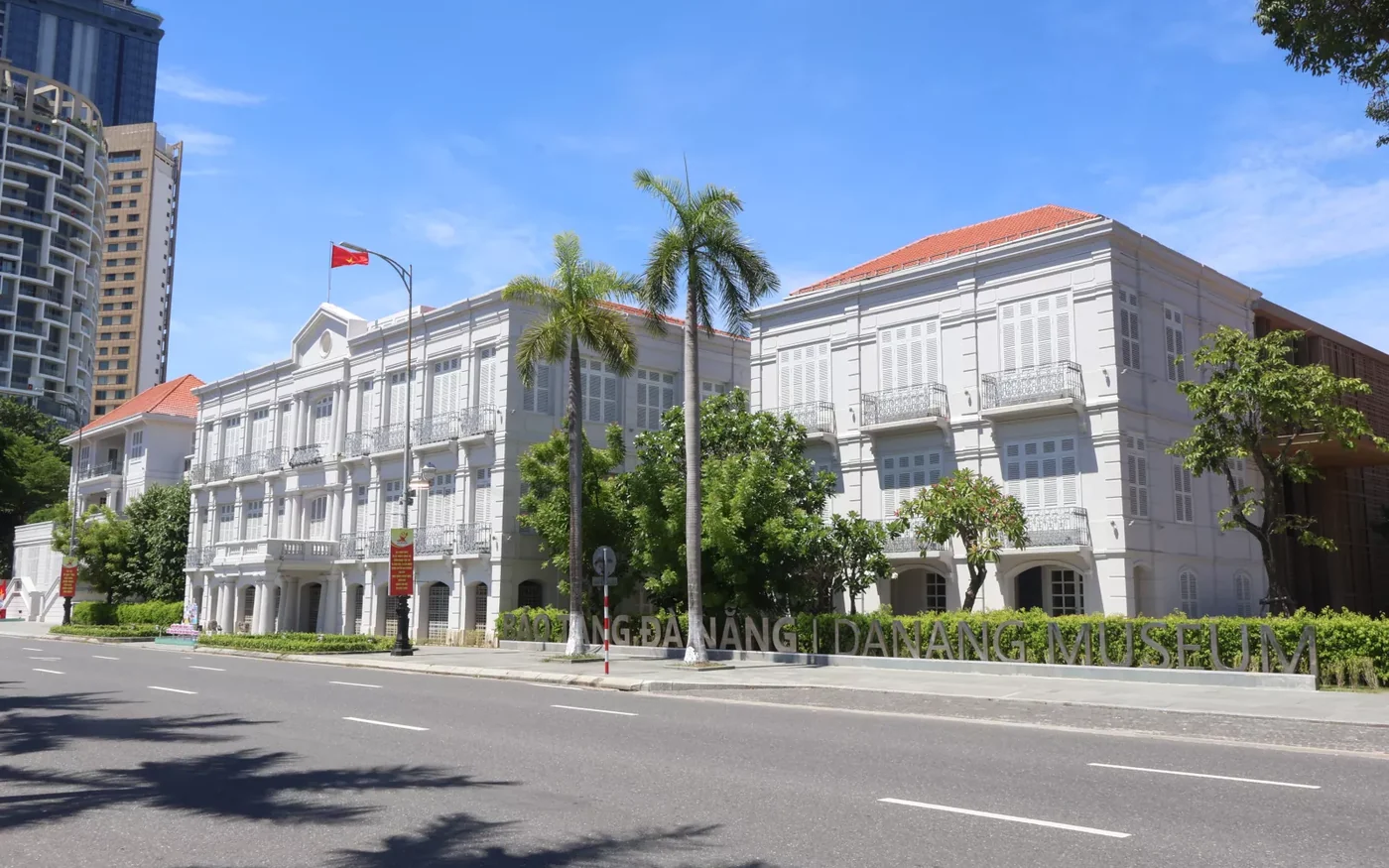
At Quang Trung Museum, the Tay Son story has an approach through ears and eyes alongside the reading of names, dates and objects.
- When
- Recurring programme · confirm session
- Where
- Quang Trung Museum, Tay Son
- Tickets & conditions
- According to museum admission and the day's programme
Listen for pattern, not just loudness
Battle drums and martial movement connect sound, action and coordination. During an available performance, notice a change of pace or a movement that meets a beat. Children do not need musical terminology to recognise fast and slow, waiting and response. Listening this way draws attention to performers' skill instead of reducing the whole presentation to excitement or noise.
Place the sound beside the museum story
Choose one person or theme from the museum visit to carry into the performance. Afterwards, ask how sound made the story feel different from reading a display panel. There is no need to interpret every movement as a literal account of a battle. A cultural presentation and historical material offer different ways of engaging with the same subject.
Ask about a session first
No dated session is established here. Ask the museum about time, admission and any advance arrangements before deciding how much of the visit depends on a performance. For a sound-sensitive child, enquire about a position with an easy exit. If the day will be museum-only, explain that beforehand rather than leaving a child waiting for an unarranged show.
A plan that is enough
Reopen the official source for “The Tay Son battle drum at Quang Trung Museum” on the day of the visit; check timing, venue and entry terms.
Recheck the performance time and ticket terms on the official channel.
Arrive early enough to locate seats, toilets and the nearest exit.
Plan hearing protection or a quiet break if a child is sensitive to sound and light.
Sources behind this guide

Da Nang Christmas Market 2026
4–6 December 2026; detailed opening hours are not yet published, so check the official page before travel.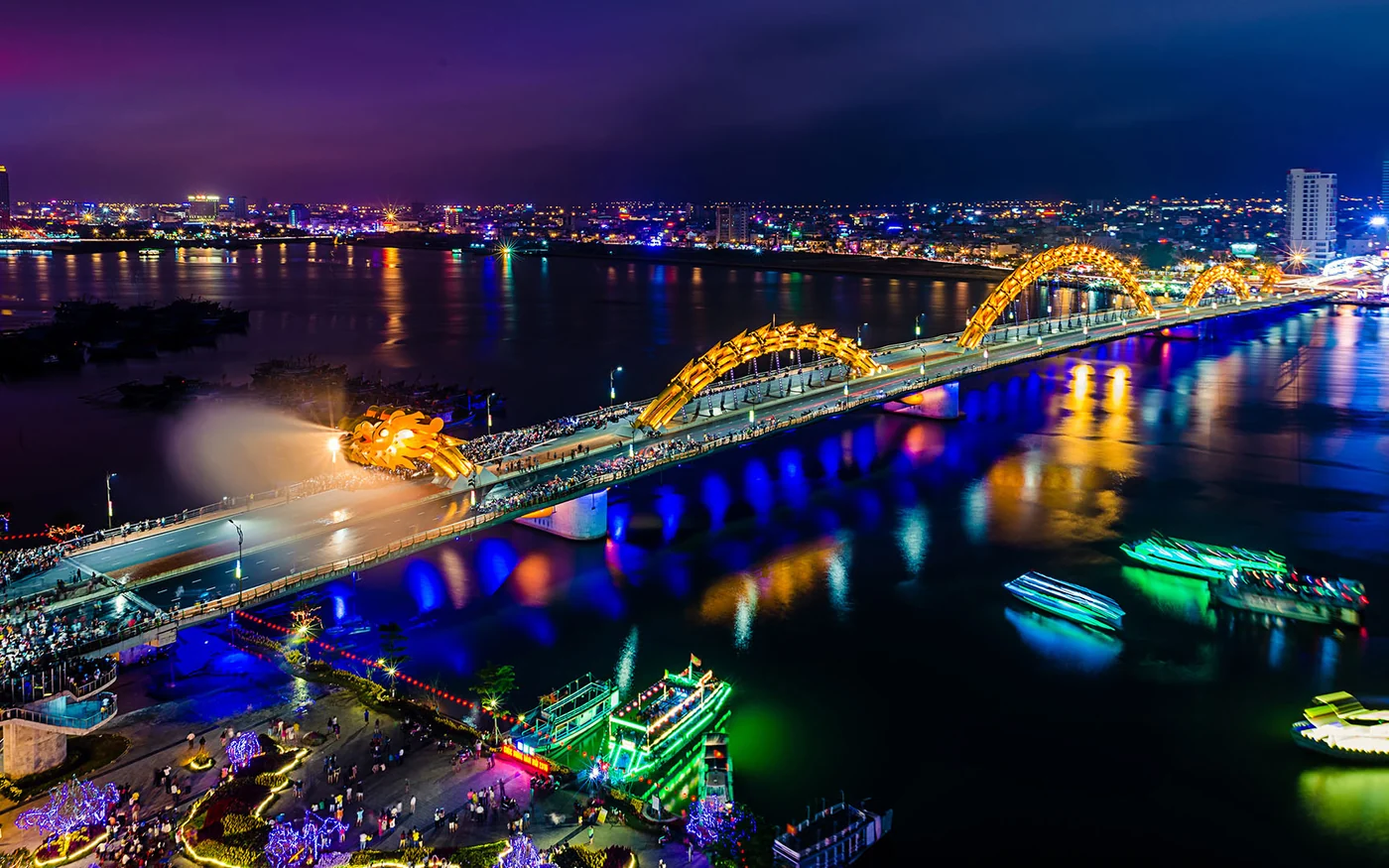
Dragon Bridge Fire and Water Show
Friday, Saturday, Sunday and major holidays at 21:00; about two minutes of fire followed by three minutes of water. Recheck the day's schedule.