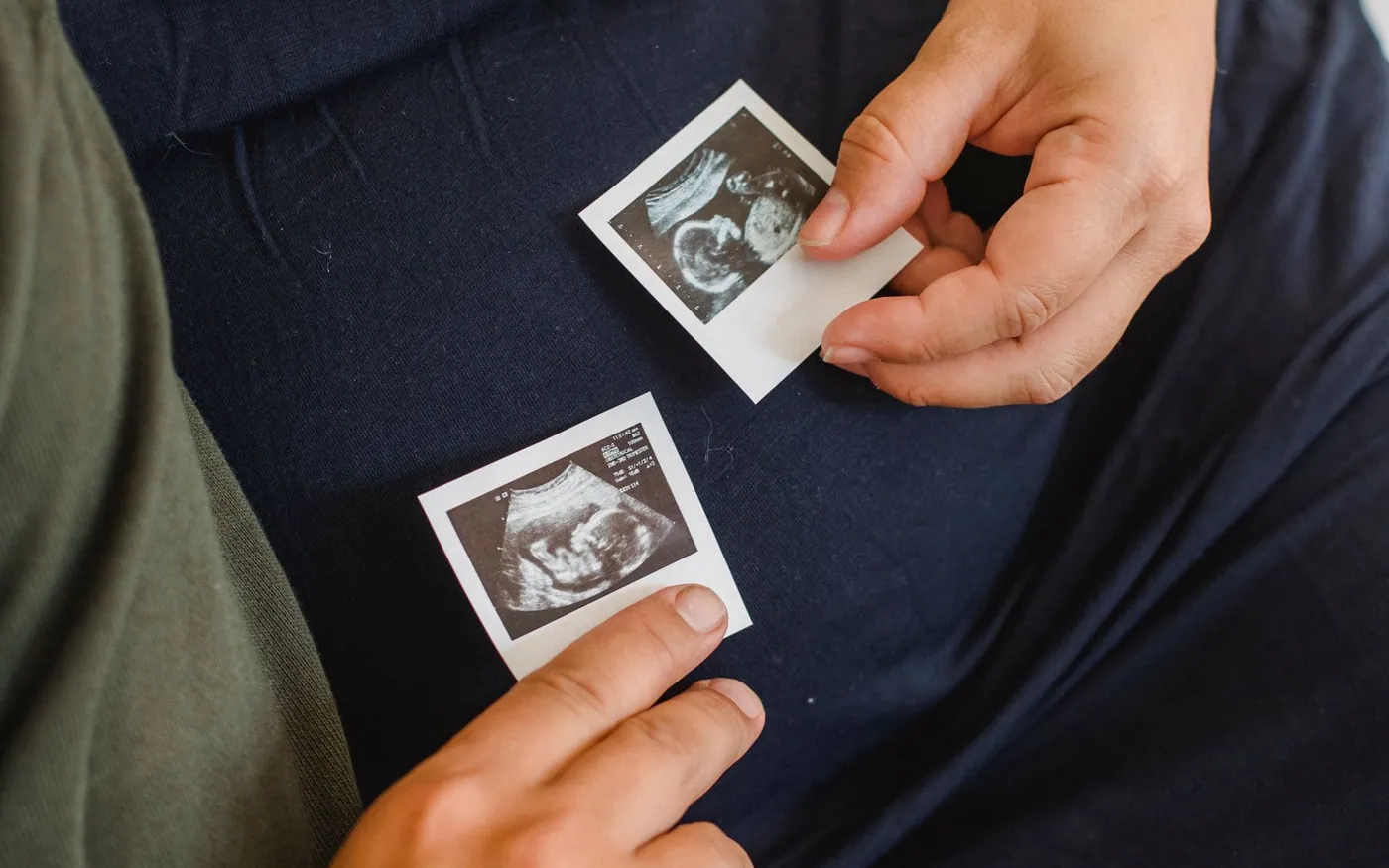
“I want a good birth” is a real wish, but it does not tell the care team what helps you feel safe. One person fears pain most; another fears being moved without understanding why. A useful birth plan turns those concerns into discussable preferences. It is neither a guarantee of events nor advance consent to every intervention. Flexibility means keeping your voice in the conversation when the original route changes.
The short version
- 01
Explain the reason behind a preference so alternatives can preserve its purpose.
- 02
Changing pain-relief or birth preferences is not failure.
- 03
Facility capability and consent in the actual situation require separate discussion.
Jump to the part you need
Find the three things most worth saying
Before choosing a template, finish the sentence: “I would feel better supported if…” You might need an explanation before touch, information about pain relief or communication assistance. Choose a few central priorities so the page is not a long list with everything equally important. Lighting preferences can sit lower down; medicine allergies and communication needs should be easy for staff to find.
A reason helps a preference survive a change. “I want to move because lying still makes me anxious” creates room to discuss other positions if walking is not possible. “Please warn me before touching me because I startle easily” can remain useful in surgery. You do not have to disclose private experiences to request clear explanations. WHO's respectful-care recommendations include dignity and understandable communication.
Bring a draft into the antenatal conversation
A plan works better as an antenatal conversation than as a printout buried in a hospital bag. Ask about companionship, language support, pain relief and post-birth care in the relevant areas. WHO supports a companion of choice, but that does not establish the current policy at your facility. If an option is unavailable, ask what else could address the need behind it.
Distinguish “not available here”, “not suitable for my current situation” and “to be decided during labour”. These are different answers. Try: “Which parts can we discuss in advance, and which need reassessment?” Note what was discussed, when and with whom. If the facility or clinical picture changes, revisit the conversation. An earlier document cannot fully describe a later situation or replace a fresh explanation.
Plan the conversation, not just the birth method
Here is usable wording: “Please briefly introduce the role of the person caring for me. Before examinations or procedures, explain the purpose and ask for my agreement. When time allows, I would like to understand benefits, risks and alternatives.” This is a communication request, not an algorithm for choosing treatment. In an urgent situation, ask what is happening and what needs to happen immediately.
A companion can help communicate priorities without policing your plan. You might agree: “If I am exhausted, help me hear the explanation again; do not argue for an old preference after I have changed my mind.” Discuss reliable interpretation with the facility when needed rather than assuming relatives can handle every complex exchange. When you can express your wishes, the team should hear your current wishes directly.
Pain relief is a choice you can revisit
NHS guidance recognises that actual pain-relief needs may differ from expectations. You can write that you want to try non-medicine approaches first, or that you want an early discussion of medical options. Ask what the facility offers, who assesses suitability and whether your history requires advance discussion. Avoid treating a method as a guarantee that it will be available at the exact moment you imagine.
Changing your mind does not diminish the effort already made. You do not have to meet someone else's pain or endurance target before requesting help. “My needs have changed; please reassess my pain-relief options” is enough to start the conversation. Your companion can help communicate it. The aim is not an endurance achievement, but being heard and informed in the decision you are making now.
If intervention is needed, preserve the underlying purpose
Rather than writing only “I do not want a caesarean”, add a contingency: “If caesarean birth is recommended, please explain why and how urgent it is; where possible, help my support person know where I am.” Someone planning surgery can ask what to do if labour starts beforehand. This prepares a conversation without pretending you can predict the event or independently determine intervention timing.
After birth, describe preferences for closeness, feeding support and explanations of routine care. If either of you needs separate treatment, retain requests for updates and discussion of contact and feeding support. “If we cannot be together yet, please tell me who is caring for my baby and how I will receive updates” is more workable than demanding no separation under any circumstances. Connection may need more than one form.
One readable page, and a conversation afterwards
The final page can hold identifying information, important care needs, a few explained priorities, your support person and contingencies. Select wording from this article rather than copying everything. Keep it with your records and let your companion read it. At admission, ask who should see it. “I have a page of preferences we discussed antenatally” opens a conversation without turning the document into an ultimatum.
After birth, if something remains confusing or upsetting, request an explanation of events when you feel able. Feeling safe does not automatically follow being told the outcome was good. Gratitude for care and a wish to understand decisions can coexist. A useful birth plan does not score the birth that actually happened. It helps the team see the person receiving care before, during and after that day.
Practical checklist
- Choose a few explained priorities; put communication needs and allergies first.
- Discuss the draft and contingencies with the birth facility.
- Ask your companion to support current wishes rather than enforce old ones.
From the guide to your next step
How NIMO built this guide
NIMO writes and localizes each guide for Vietnamese families, then checks key facts against the official references below. The links support the guide; they are not the guide itself.
General health information · Checked against official sourcesFor symptoms or treatment decisions, confirm with an appropriate health professional.Next review · Dec 5, 2026