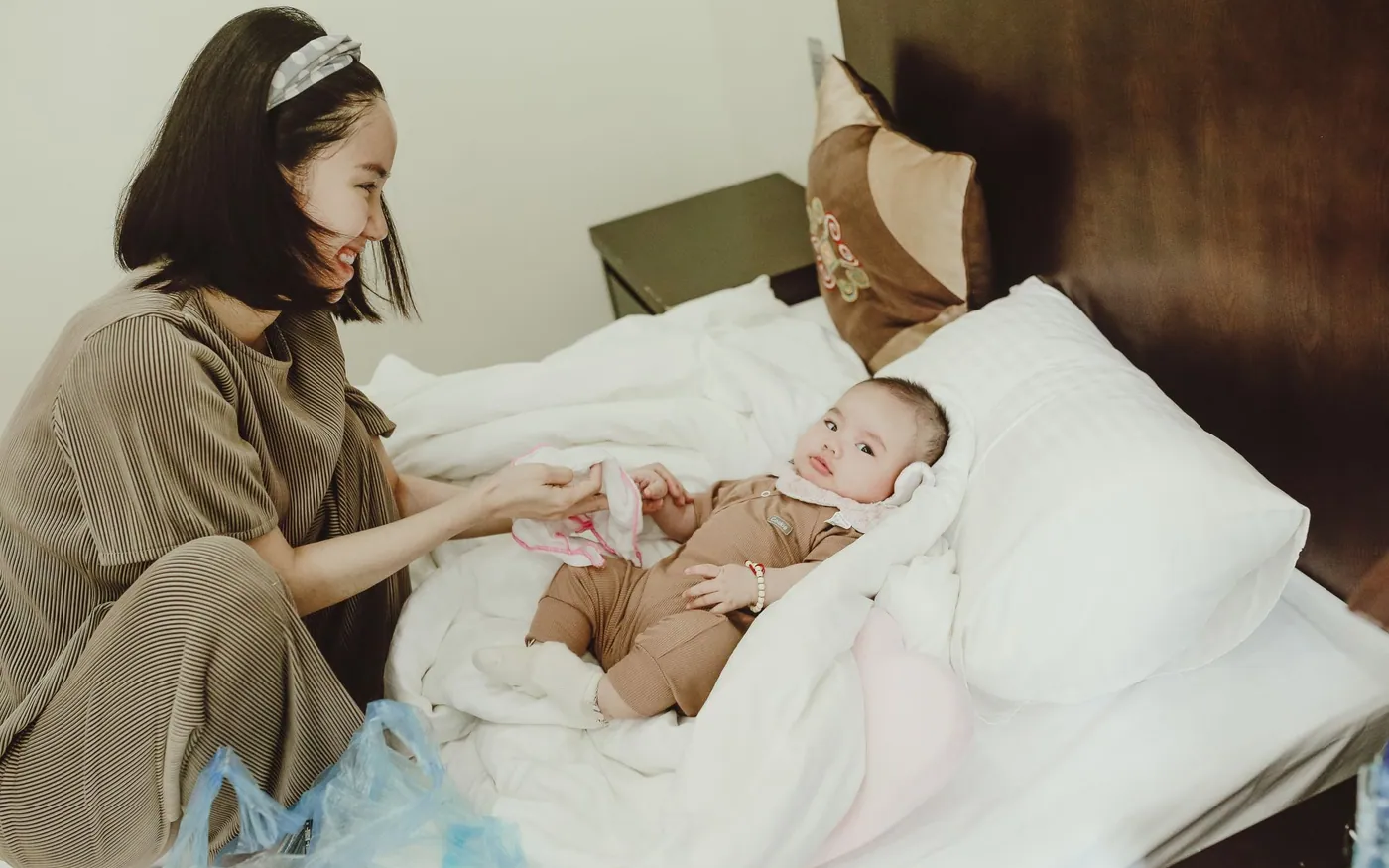
After a caesarean, a small task can become difficult simply because the towel is on a low shelf or the water is across the bed. You are caring for a newborn while recovering from surgery, not taking a few days off because you are tired. An incision can look neat while coughing, getting out of bed, or standing to cook remains uncomfortable. Rather than racing toward “normal,” reorganise the repeated tasks so there is less strain and help is easier to reach.
The short version
- 01
Follow instructions for your own dressing and wound closure rather than adding unprescribed remedies.
- 02
Gentle movement and protected rest belong together; all-day immobility is not the goal.
- 03
A worsening wound or whole-body symptoms may need assessment before the booked review.
Jump to the part you need
Before discharge: understand this operation’s plan
Ask how the incision was closed, which dressing is in place, when it should be removed or changed, and who will review it. Some materials dissolve and others need an appointment; another person’s stitch-removal date is not your instruction. If there was significant blood loss, another health condition, or a complication, ask which parts of routine advice change. Keep an accessible copy of the discharge information and any originals the facility requires.
For each medicine, know its name, purpose, prescribed instructions, duration, and whom to ask about a missed dose or side effect. If clot-prevention treatment is prescribed, request practical teaching and a stop date; walking again is not permission to stop it yourself. Ask about your actual breastfeeding situation rather than abandoning all medicine to keep milk “clean.” A support person can record the answers while you are tired.
The first days at home: remove repeated strain
Move frequently used clothing, nappies, water, and scheduled medicines to an accessible height. Let someone else carry water containers, laundry baskets, or heavy baby equipment. Ask staff to show you how to turn, sit up, and receive the baby comfortably for your situation; helpers should use that approach rather than pulling you up by the arms. If your home has stairs, organise supplies to avoid unnecessary repeated trips.
For feeding, find a position that does not press heavily on the incision and have someone bring the baby to you. Adult positioning pillows are for supervised support, not a soft infant sleep space. If you are becoming drowsy while holding the baby, ask an alert adult to take over and use the baby’s separate safe sleep space. Avoid solving your discomfort by falling asleep together on a sofa or armchair.
A wound needs appropriate care, not constant treatment
Follow the instructions for washing and the dressing, cleaning gently and drying as advised. Do not peel adhesive, pull sutures, squeeze drainage, or apply unprescribed medicines, herbs, or oils. Comfortable clothing can reduce rubbing. If you cannot see the incision, a person you choose may help observe it. You do not need constant photographs or a family group chat interpreting intimate images as a substitute for clinical assessment.
Increasing pain or redness, swelling, pus, offensive smell, or wound separation calls for clinical assessment. Fever or feeling ill adds urgency. Do not wait for the incision to look “bad enough” or for the dressing appointment. When calling, state the operation date and what has changed since yesterday. The receiving clinician needs to know this is a postpartum surgical wound, not simply an itchy patch of skin.
Weeks two and three: planned movement, shared housework
Gentle movement as tolerated and advised is different from resuming heavy work. Short stretches of walking with rest can be more manageable than one ambitious outing. Avoid turning recovery into all-day immobility, but do not use another person’s shopping trip as your target. Increasing pain, dizziness, or breathlessness is not encouragement to push harder; stop and seek assessment as appropriate. New breathlessness or chest pain needs urgent help.
Assign whole jobs: “Please own the laundry from loading the machine to putting it away,” or “Could you take responsibility for buying and making lunch?” This avoids recovering while also remembering every step for someone else. With limited support, prioritise simple meals and essentials and allow some chores to wait. Reasonable hygiene is not the same as keeping the home presentation-ready for visitors.
Weeks four to six: the scar is not a permission slip
A settled skin incision does not automatically clear heavy lifting, strenuous exercise, driving, or a long motorbike journey. Discuss your particular activities and transport, including turning comfortably, reacting quickly, and any sedating medicine. There is no single day on which everyone is ready. When restarting an activity, leave room to see how your body responds rather than scheduling several demanding tasks together.
Vaginal lochia can occur after a caesarean because the uterus is also recovering. Increasing bleeding or an offensive smell deserves clinical advice, even though the baby was not born vaginally. For sex, comfort and consent matter more than a calendar milestone; pain is a reason to stop and discuss it. If planning another pregnancy, ask about spacing and preconception care for your surgical history rather than adopting a number from hearsay.
The review should include the birth experience
Bring the remaining questions: where it hurts, which medicines continue, what wound follow-up is needed, and who takes responsibility after this appointment. Significant blood loss or blood-pressure problems need their own follow-up; an incision check does not complete all postpartum care. Contact the team earlier for worsening symptoms. Calling sooner allows the service to decide where you need assessment rather than leaving you to wait for six weeks.
If surgery was urgent or different from what you expected, ask for an explanation of what happened. Gratitude for care and sadness or fear can coexist. Relatives need not erase that with “At least everyone is safe.” They can ask, “Would you like to talk about it, or shall I help arrange a conversation with the doctor?” Recovery also involves regaining a voice in your own birth story.
Practical checklist
- Record the dressing, closure, medicine, and appointment instructions.
- Place supplies within reach and delegate heavy carrying.
- Know whom to contact for wound changes or whole-body symptoms.
From the guide to your next step
How NIMO built this guide
NIMO writes and localizes each guide for Vietnamese families, then checks key facts against the official references below. The links support the guide; they are not the guide itself.
General health information · Checked against official sourcesFor symptoms or treatment decisions, confirm with an appropriate health professional.Next review · Dec 5, 2026