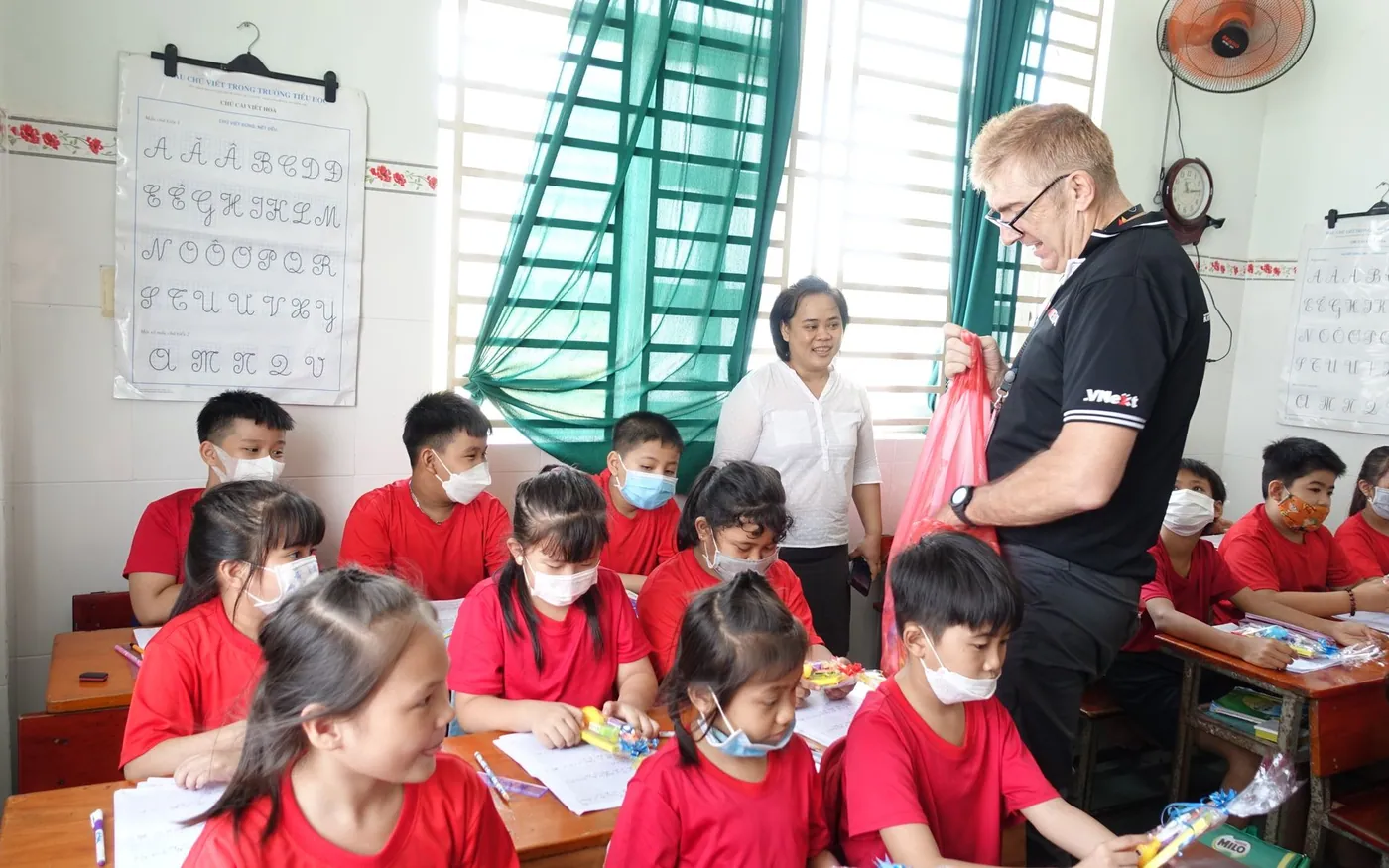
A beautiful classroom can be reassuring before a single question is asked. The harder questions often sit outside the photograph: who stays close when two children cry, who watches the room during a toilet trip, and what happens when a child refuses lunch? Choosing childcare in Vietnam requires both information that can be checked and attention to ordinary care. No single model suits every family. What matters is not allowing promotional language to stand in for concrete answers.
The short version
- 01
Documentation and observation complement each other; neither replaces the other.
- 02
Ask who is actually with children at each point, not merely how many staff are employed.
- 03
Keep usable written information on illness, handovers and costs.
Jump to the part you need
Before visiting, name the non-negotiables
Start with the household: work hours, backup pickup, travel in rain, budget and the child's individual needs. Separate necessities from attractive extras. A large playground cannot solve an impossible closing time; an additional language class cannot compensate for a distress response that worries you. Needing care close to home or compatible with shift work is not an embarrassing compromise. It is part of the decision.
In an editorial example, a family visits two settings that meet pickup requirements and uses the same core questions. Afterwards, they separate what was observed, what was explained and what remains unknown. Avoid false precision such as a safety score of 9.2 out of 10. An unresolved serious concern should not be averaged away by a long list of attractive conveniences.
Identify the setting and its applicable documentation
Ask for the legal name, operating address, responsible person and authorisation appropriate to that type of setting. Resolve mismatches with the competent local education authority or government office before signing. A government portal article dated 31 July 2026 describes regulations for independent preschool settings. Its scope is specific; do not turn one provision into a universal rule for every nursery, school or home-based arrangement.
UNICEF's 2016 report on independent private childcare groups provides historical context on quality and management, not proof of a particular setting's present condition. Equally, paperwork does not guarantee every minute of good care. Verification and observation are separate tasks. If only an unreadable certificate image is offered, or the relevant authority is not identified, keep the question explicitly unresolved.
Watch adults when the moment is difficult
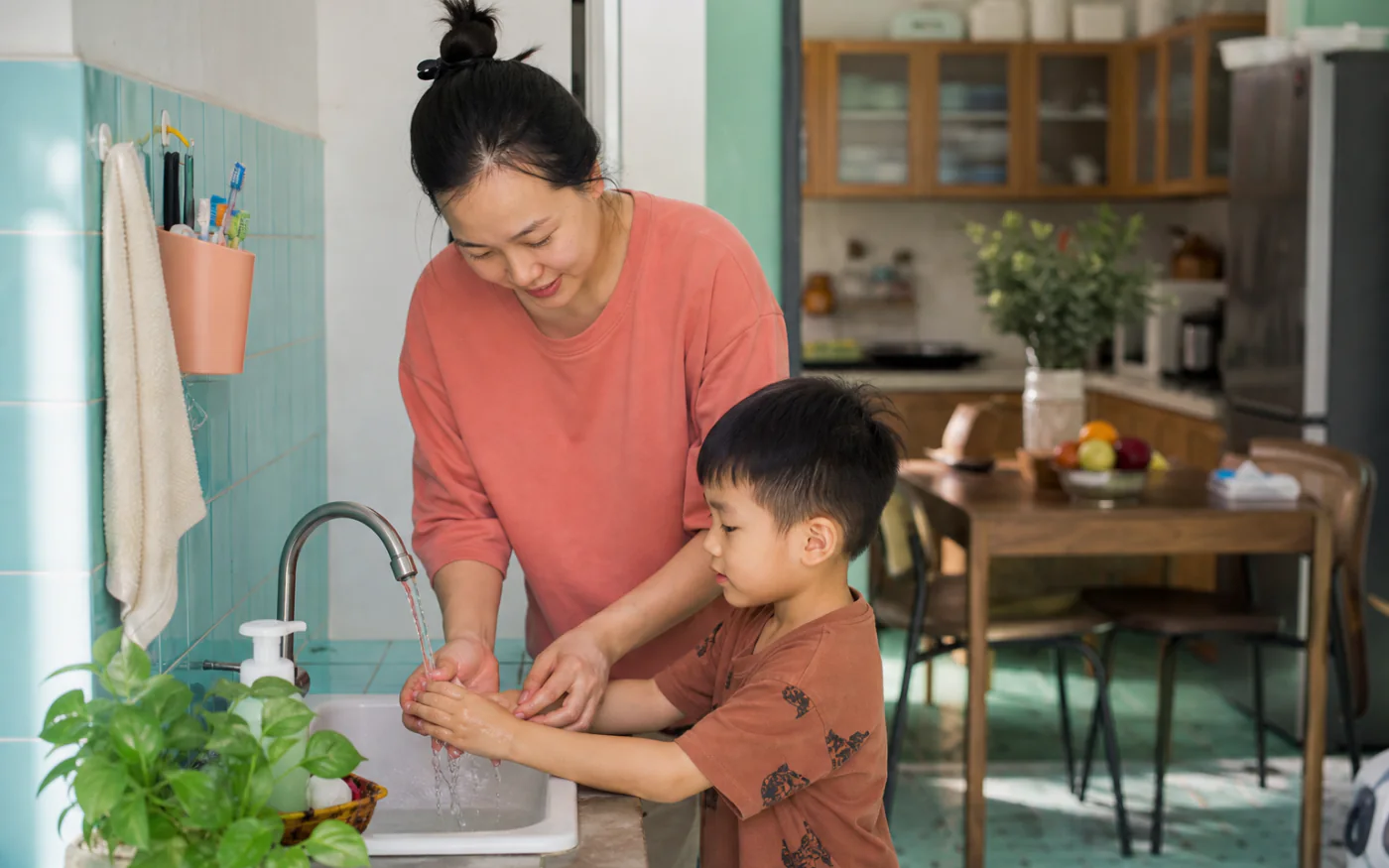
Request a visit that respects the setting's safeguarding process, preferably during ordinary activity. You need not demand unrestricted access or film other children. Watch a transition: tidying, handwashing or waiting for lunch. Do adults come close to speak, notice a child left behind and help with an unfinished skill? Absolute silence is not proof of quality; look for how safety and dignity are maintained.
Ask directly about shouting, hitting, physical restraint, forced feeding and punishment. The answer should state prohibited practices and alternatives for biting, hitting or prolonged distress. If you witness violence or immediate danger, prioritise the child's safety and appropriate assistance rather than letting prepaid fees dictate staying. Concerns that are not immediate emergencies still deserve a clear record and a substantive response.
Count actual presence, not just the staff list
Ask how many children and directly responsible adults are in your child's room at early arrival, meals, naps and late pickup. Who covers absence or a toilet trip? A whole-setting staff total may include managers, kitchen staff or people elsewhere. Do not infer a safe ratio from a photograph. Understand the deployment and, where necessary, check applicable requirements with the responsible authority.
Continuity matters too: who will learn your child's signals, how shifts exchange information and how newcomers are supported. UNICEF links caregiver wellbeing and support with the capacity for nurturing care. That makes breaks, backup and training reasonable visit questions, not an invitation to place all responsibility on one teacher. A warm individual needs a workable system around them.
Follow the route through food, sleep and toileting
Request a menu, then ask about preparation and feeding: toddler-safe forms, allergy identification, the adult supervising and the response to refusal. A menu cannot show whether bones or hazardous round pieces were removed. If your child has an individual nutrition or swallowing plan, ask whether the setting can genuinely implement it and who will be accountable. A reassuring yes needs an operational explanation.
For naps, ask who watches and how a child who does not sleep can rest. For toileting, look for support without shame or pressure to meet an arbitrary classroom deadline. Ask to understand exits, doors, water access and chemical storage without testing equipment around children. These observations help you ask questions; they do not amount to a professional safety inspection.
Plan for fever and delayed pickup
Before starting, obtain illness notification, collection and return procedures, including how outbreak instructions are communicated. Do not apply one foreign exclusion period to every illness in Vietnam. Ask who calls emergency help, accompanies the child and tries backup contacts, and under what process medication is given. A general consent form does not replace clear, child-specific medication information.
Handover needs detail: authorised collectors, how changes are confirmed, where the child waits and who remains responsible if a parent is late. Multilingual families should agree on an urgent communication method the recipient can understand. Important information should not disappear into a busy group chat. A cheerful all-fine message is not a substitute for discussing a fall, vomiting or a behavioural change requiring observation.
Decide with what is clear, and plan to revisit
Ask for mandatory and optional fees, deposits, absence rules, refunds and termination terms. Discuss image use and data sharing. Read the actual agreement rather than inferring rights from labels such as public, private or international. Clarify uncertainty before payment. This article does not certify any provider's quality or determine a family's legal entitlements under a particular contract.
After choosing, arrange a settling-in conversation about comfort, eating, sleep and necessary adjustments. Drop-off tears alone prove neither good nor bad care; consider their course and the caregiver's response. An initial decision does not oblige a family to ignore new information. The aim is not a setting without difficult days, but one that can care safely and communicate honestly when those days arrive.
Practical checklist
- Separate observations, explanations and unverified points.
- Keep illness, handover, fee and contact information.
- Arrange a follow-up settling-in conversation.
From the guide to your next step
How NIMO built this guide
NIMO writes and localizes each guide for Vietnamese families, then checks key facts against the official references below. The links support the guide; they are not the guide itself.
Sources checked by NIMOFor symptoms or treatment decisions, confirm with an appropriate health professional.Next review · Dec 5, 2026