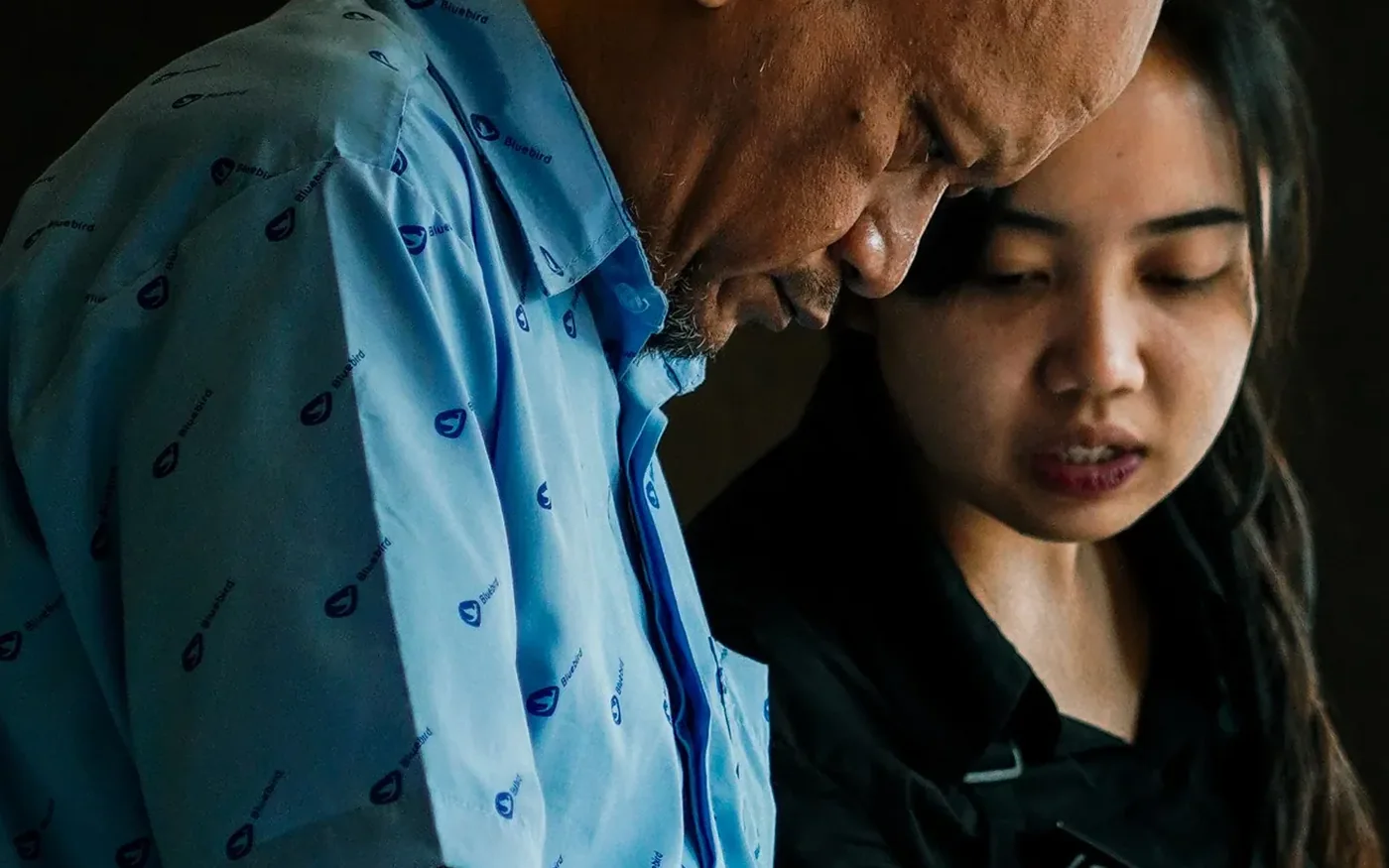
Before a non-urgent visit in Viet Nam, you do not need to translate your entire life into a dossier. You need the service to identify the right patient, understand what is happening, and explain a plan in language you can use. For a life-threatening emergency, however, call 115 or seek emergency care now rather than collecting a perfect passport, insurance, and translation pack. This guide covers preparation and communication; it does not assert one universal document list or interpreter entitlement across hospitals. [Emergency-number source: US Department of State](https://travel.state.gov/en/international-travel/travel-advisories/vietnam.html).
The short version
- 01
Separate identity, clinical, and payment records.
- 02
Ask about language support for the care itself, not just booking.
- 03
Before leaving, repeat the plan and identify who owns pending steps.
Jump to the part you need
1. Give each part of the pack a separate job
The first section identifies the patient: accepted identity documents, contact details, and any papers required for a child's visit. The second explains care: the current problem, allergies, medicines, recent results, and treatment. The third supports payment: insurance details, any needed authorisation, and required claim forms. Do not let a billing conversation substitute for telling the clinician about an allergy. Different information has different recipients, even when it travels in the same folder.
Hanoi French Hospital's first-visit guide and FV's outpatient guidance show institution-specific admission and support processes. Use them to understand the kinds of questions to ask, not as a checklist automatically applicable elsewhere. Before a planned visit, ask which originals are required, which records may be sent ahead, and how to reconcile overseas documents with different name formats. [Sources: Hanoi French Hospital](https://www.hfh.com.vn/en/admission-guide/your-first-visit-to-hanoi-french-hospital/), [FV](https://www.fvhospital.com/en/outpatient-care/your-visit-experience/).
2. Make a readable one-page clinical summary
At the top, put the identity-document name, birth date, and preferred language. Then add today's reason for care, onset, changes, and your main concern. Include current conditions, relevant surgery, allergies, and what reaction occurred. Mark uncertainty rather than inventing a date or diagnosis to make the page look complete. Short sentences, clear dates, and ordinary language are more useful for orientation than a fluent but unanchored translation of a long narrative.
For medicines, copy the label or prescription: active ingredient where available, brand, strength, formulation, and existing prescribed directions; retain the original for comparison. Do not convert units yourself, guess handwriting, or substitute a similarly sounding name. The Ministry of Health's outpatient prescribing explainer addresses patient and medicine information. It does not establish that an overseas prescription is automatically accepted for dispensing in Viet Nam. [Source: Ministry of Health](https://moh.gov.vn/tin-lien-quan/-/asset_publisher/vjYyM7O9aWnX/content/quy-inh-ve-ke-on-thuoc-ap-dung-tu-1-7-nguoi-dan-can-biet).
3. Arrange language support for the whole encounter
Specify the language in which you understand medical decisions, not merely one sufficient for ordering food or asking directions. Ask whether interpretation covers the clinician's explanation, consent, medicines, and results. Hanoi French Hospital describes support in specified languages in its admission guide; one facility's list does not guarantee other languages or every shift. For a non-urgent visit, confirm the department, booking process, scope, and charges ahead. [Source: Hanoi French Hospital](https://www.hfh.com.vn/en/admission-guide/your-first-visit-to-hanoi-french-hospital/).
A relative can help you remember questions and feel supported, but reproductive, mental-health, or relationship matters may need privacy. Request a private portion of the visit and suitable interpretation. Avoid making a child the sole messenger for difficult adult decisions. An app can temporarily help simple phrases; for allergies, risks, diagnoses, or medicine directions, ask the care team to confirm understanding rather than simply reading an automated translation and signing.
4. Check understanding by describing your own plan
Instead of only saying you understand, try: “I believe this test comes first, I should not change the medicine without instructions, and I return at this time. Have I understood correctly?” This is a communication example, not a treatment plan for everyone. If there are alternatives, ask about benefits, risks, uncertainties, and why one is proposed. If a decision is time-sensitive, ask what makes waiting risky rather than assuming every question can be deferred until home.
Before a procedure or intimate examination, ask its purpose, steps, who will be present, and how to signal pain or a need for more explanation. If a consent document is unclear, identify what needs explaining rather than signing because the desk is busy. In emergencies, the team may need urgent action; communicate language needs and let a support person assist without obstructing necessary care. This guide does not interpret consent law for every circumstance.
5. Keep insurance as a parallel conversation
Ask about the exact policy, outpatient or inpatient service, and particular facility. FV's direct-billing information illustrates that authorisation has a process and policy limits; an insurer logo does not mean all charges are approved. Ask which document is needed, who sends it, what you pay initially, and when receipts arrive. “Please separate what is confirmed from what is pending” helps prevent an enquiry in progress from being mistaken for guaranteed payment. [Source: FV](https://www.fvhospital.com/en/health-insurances-companies/direct-billing-partners/).
Share necessary data through channels confirmed by the facility and insurer. If an intermediary requests a passport, full clinical record, and policy through a personal account, ask about their role, purpose, and a safe submission route first. A helper may handle records with your agreement, not automatic access to everything. In emergencies, do not wait for the payment process before seeking care; a companion can handle administrative questions while clinical assessment proceeds.
6. Leave with a plan, not just a bag of papers
Request a summary of the assessment, prescription and instructions, available results, pending tests, and follow-up timing or conditions. If another country will receive your care, ask how to obtain full records and imaging formats rather than only a photographed conclusion. CDC addresses coordinating care when ill abroad; the practical aim here is to let the next team distinguish what happened from what remains incomplete. [Source: CDC Yellow Book](https://www.cdc.gov/yellow-book/hcp/health-care-abroad/what-to-do-when-sick-abroad.html).
At the end, save separate clinical and administrative contacts. Ask when to chase missing results, who answers, and what means returning sooner. If you still cannot describe the plan in your own words, that is a reason for another explanation, not proof that you are a difficult patient. A good record pack supports understanding and continuity. It should not require you to become interpreter, insurance officer, and care coordinator all at once.
Practical checklist
- Put the clinical summary first and retain original medicine and result records.
- Confirm language support for consent and discharge instructions.
- Distinguish the results contact from the insurance paperwork contact.
How NIMO built this guide
NIMO writes and localizes each guide for Vietnamese families, then checks key facts against the official references below. The links support the guide; they are not the guide itself.
General health information · Checked against official sourcesFor symptoms or treatment decisions, confirm with an appropriate health professional.Next review · Dec 5, 2026