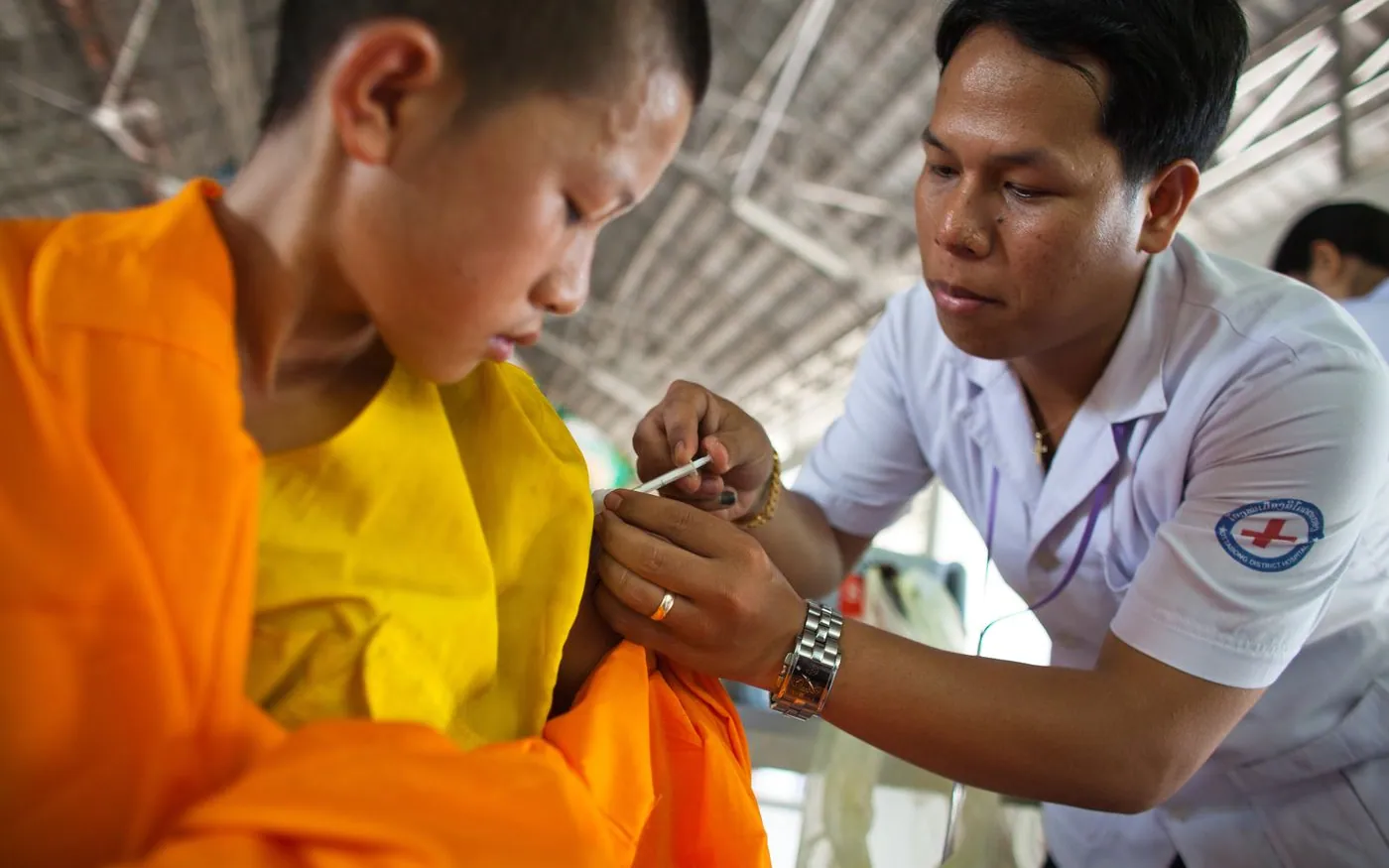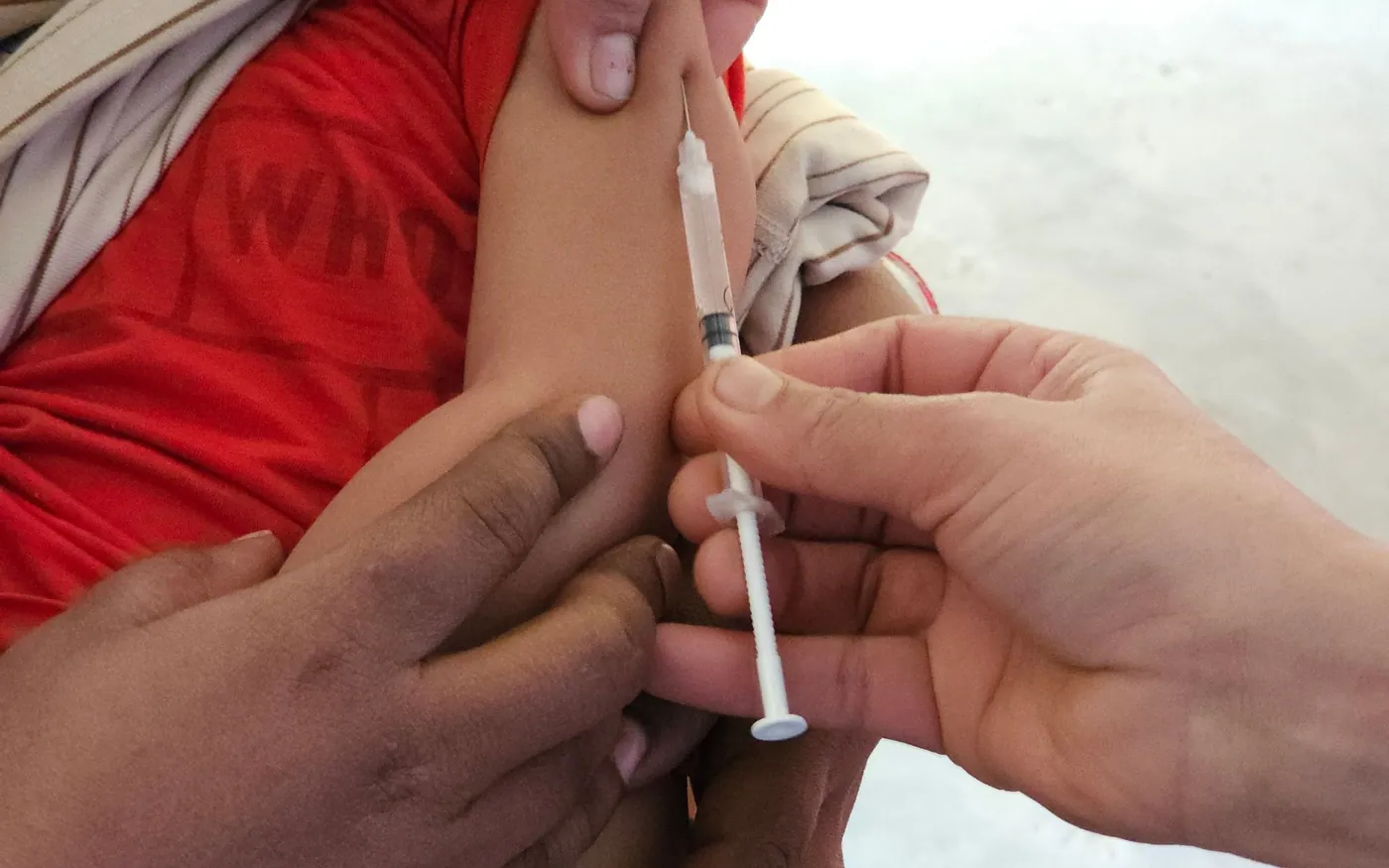
A vaccination visit contains more than the moment of the injection: travel, screening questions, positioning, observation and remembering instructions when everyone is tired. Preparation does not promise a tear-free appointment. It reduces the number of decisions a caregiver has to make at once, leaving more attention for the baby and more clarity about what happens after leaving.
The short version
- 01
Tell the screening professional about illness, medicines and previous reactions, even if you mentioned them when booking.
- 02
Crying is not a failed visit; use supported holding and comfort.
- 03
Leave with vaccine-specific aftercare and a clear route to help.
Jump to the part you need
The night before: settle the logistics
Ask the service about arrival arrangements, required documents, payment and the time to allow for observation. These are details for that facility, not assumptions about every Vietnamese provider. If another caregiver will attend, ask what consent or identification arrangements apply. Resolve the handover before arrival rather than discovering at reception that the person accompanying the baby lacks something necessary.
Pack for the actual visit: vaccine records, nappies, a change of clothes, your usual feeding supplies and a familiar comfort item for awake time. NHS suggests clothing that makes the injection site easy to reach. Allowing some space around the appointment can make feeding, changing or asking a second question possible without feeling that every small delay has disrupted the entire day.
Screening is a conversation, not a tick box
Describe current symptoms, when they began, medicines and previous post-vaccination reactions. Bring a medicine label or prescription image if names are unclear. For an earlier reaction, describe the sequence and treatment rather than supplying only the word allergy. For example: when did the rash appear, was breathing affected, where was the baby assessed, and what advice was given?
CDC distinguishes mild illness from conditions that may require assessment or postponement. A minor cold is not automatically a reason to miss the visit, but neither should a caregiver declare eligibility from an article. Mention chronic conditions, prematurity, medicines affecting immunity and serious previous reactions. The screening professional should decide whether to proceed, alter the plan or arrange further assessment.
Before the injection: understand today's decision
Ask staff to explain the vaccine, its purpose and how it fits the previous record. If the history has not been reconciled, say so before administration. A useful question is: Which components is our baby receiving today, and is anything in the record still unresolved? You do not need technical vocabulary to ask for an understandable explanation of the decision.
If an online post worries you, bring one specific question instead of the entire debate: I read that some reactions appear later; what should we watch for with today's vaccine, and when should we call? Product-specific explanation is more useful than reassurance that every vaccine behaves identically. Ask for the important answer in writing if retaining it is difficult in the moment.
When the baby cries, you can still help
Follow staff instructions for supportive holding, and say early if needles make you faint. CDC describes soft speech, cuddling, comforting contact and breastfeeding as possible ways to soothe a baby when appropriate. A non-breastfeeding caregiver has a clear role too: hold as directed, provide a familiar voice, or manage paperwork so the person comforting the baby is not dividing their attention.
You do not have to stop the crying instantly to prove that the visit went well. Try: I'm here; that was uncomfortable; let's have a cuddle. With an older sibling present, avoid using injections as a threat. Seeing an adult calmly ask for help can communicate that medical care may be uncomfortable while still being a supported and manageable experience.
Observation is part of the appointment
Remain for the observation period the service requires and report changes immediately rather than moving to the car to wait. Breathing difficulty, tongue or throat swelling, sudden floppiness or reduced responsiveness demand immediate staff attention. NHS identifies these as possible features of severe allergic reaction. If they occur after leaving, call local emergency services instead of waiting for a reply to a message.
While waiting, organize the paperwork and ask about out-of-hours help: If something worries me tonight, who should I call, and which signs mean emergency care rather than a routine advice call? Store the answer where the next caregiver can find it. Observation time is most useful when it connects today's vaccination with the care that follows, not merely a countdown before departure.
At home: use today's instructions, not last time's assumptions
Injection-site soreness, irritability or fever can follow some vaccines, but their timing and expected pattern vary. Ask for care appropriate to the vaccine actually given. Do not improvise preventive medication or reuse an old instruction without confirmation; if medicine is needed, obtain advice for this baby and product. Avoid applying household remedies to the injection site instead of following the service's instructions.
Notice feeding, alertness and breathing, not just a thermometer reading. Obtain prompt medical advice for fever in a very young infant or a worsening condition, even after vaccination. Mentioning today's vaccine helps the professional, but it does not prove the vaccine explains every symptom. With emergency signs, do not postpone action to repeat measurements or complete your notes.
Close the visit with a real handover
NIMO suggests four handover points: what was given, how the baby is now, where the aftercare instructions are, and when to get help. Identify the person taking over rather than assuming everyone in the family chat is watching. If medication has been advised, hand over the label and actual instructions so different caregivers do not act independently without knowing what another has done.
At day's end, file the vaccination slip and add the next appointment if one has been agreed. You do not need a lengthy report on a demanding day. Turn any remaining uncertainty into one clear question for follow-up. A well-prepared visit is not necessarily quiet. It is one after which the household understands what happened, what comes next and how to obtain help.
Practical checklist
- Pack records and medicine information before the visit.
- Ask for and save the out-of-hours help route.
- Hand over instructions to the person taking over care.
From the guide to your next step
How NIMO built this guide
NIMO writes and localizes each guide for Vietnamese families, then checks key facts against the official references below. The links support the guide; they are not the guide itself.
General health information · Checked against official sourcesFor symptoms or treatment decisions, confirm with an appropriate health professional.Next review · Dec 5, 2026