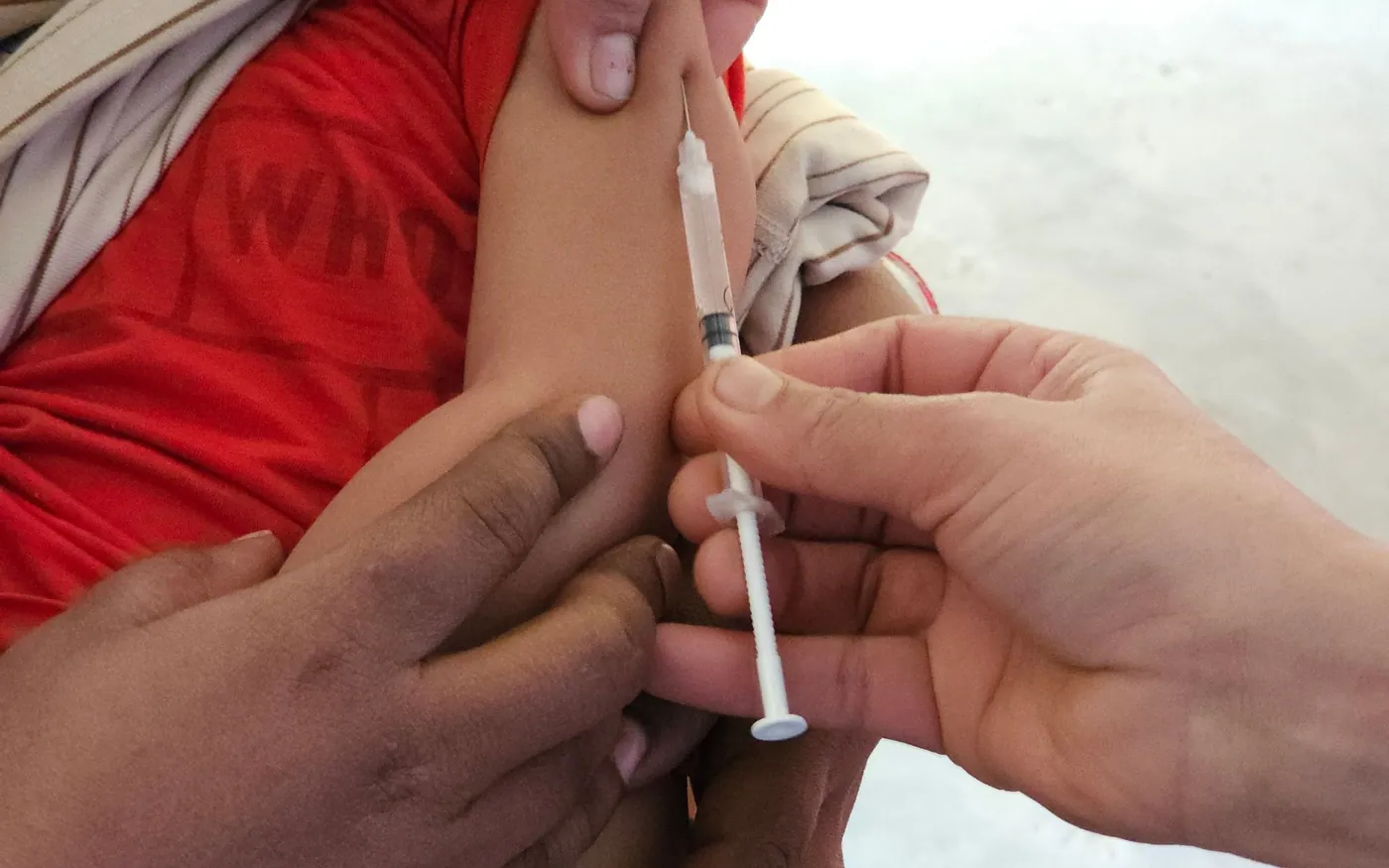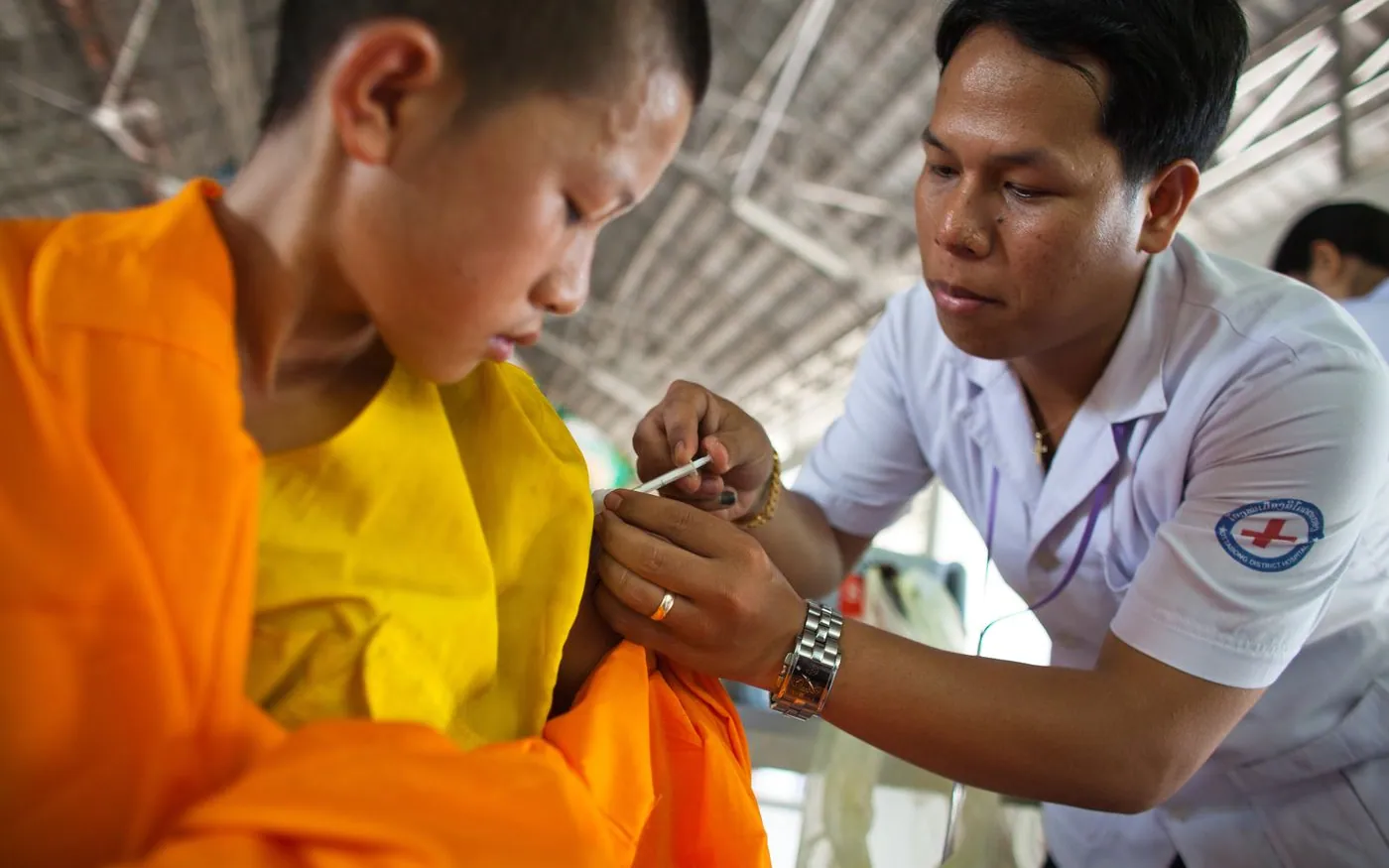
A combination-vaccine label, a stamp in a paper book and an appointment message may all refer to one visit. They do not all prove that a dose was given. Before comparing schedules, separate what happened from what was merely planned. This is not a universal Vietnamese vaccination calendar. It is a way to give a vaccination professional a readable history, so the next decision rests on evidence rather than a family's best guess.
The short version
- 01
A personal plan depends on documented doses, components, age and current guidance.
- 02
Missing paperwork or an overdue visit calls for professional reconciliation, not automatic restarting or abandonment.
- 03
Keep original evidence, your summary and future appointments distinct.
Jump to the part you need
Begin with discharge papers, not an online chart
Gather discharge papers, clinic books, vaccination slips and newborn-screening results. Look for hepatitis B and BCG in the vaccination record itself; a screening result or discharge instruction is not evidence of vaccination. When a document shows only a service name or charge, ask the birth facility whether it records an administered dose or a planned item. Keep the answer with the document rather than relying on memory.
You do not need a perfect folder before requesting help. Try: We are missing the birth vaccination slip; where should we request it, and should our next appointment still go ahead? An explicitly unresolved entry is more useful than an invented date. The purpose of the first collection is to reveal gaps, not to make the paperwork look complete.
Make a record map, not your own vaccine translation
NIMO suggests a short index: date administered, the exact name on the slip, provider and the location of the original image. Preserve a lot label when present; let the vaccination professional explain disease components. Combination vaccines contain several components, so counting injections does not tell you how many diseases were covered. An index should help staff locate evidence, not silently replace it with your interpretation.
For example, your entry might say: Product A appears on the dated slip; components need confirmation, rather than: All vaccines for this month complete. If the baby was recorded under a parent's name at birth, preserve the original and add an identity cross-reference. CDC supports retaining records and requesting official copies from past providers; its descriptions of US registries are not instructions for accessing a Vietnamese database.
Public and private routes: ask dose by dose
Vietnamese public-health guidance describes immunization alongside local needs assessment and implementation. An announcement about programme expansion or a supply plan does not establish that every site has every vaccine available today for every child. Ask the health station or service following your baby about current eligibility, implementation and suitable options. Use the answer for this child and this visit, not as a nationwide promise.
If you use both routes, request reconciliation before choosing a package. Ask: Which missing component does this dose address, and how do the public and private options differ for our baby? Separate clinical suitability from price and payment conditions. A recommended option does not mean that Vietnamese health insurance, foreign insurance or an existing prepaid package will necessarily cover it.
Reconciliation should end with decisions
Bring originals and your index, then ask a qualified professional to distinguish confirmed doses, missing information and next actions. For each unresolved item, seek a named next step and a time to reconnect. You do not need to calculate intervals using an international chart. That assessment must consider the product, age and applicable guidance, including circumstances a general article cannot evaluate.
Before leaving, read the plan back in your own words: These doses are confirmed; we will retrieve this slip; the next visit is for this purpose. If staff correct something, update the index while retaining the original evidence. A visit with a stated purpose is easier to hand over than a vague instruction to return for more shots, particularly when another caregiver will attend.
Overdue does not automatically mean starting again
WHO publishes separate guidance for interrupted or delayed vaccination. Many series can continue without repeating previous doses, but vaccine-specific conditions, age and intervals still matter. A missed appointment therefore does not erase all earlier doses, nor does it make any catch-up arrangement acceptable. Ask the vaccination service to produce an individual catch-up plan rather than copying a schedule designed for another child.
If a stock shortage caused the delay, ask more than when the original brand will return. Is there a suitable alternative, what does further waiting mean, and when should you contact the service again? If the plan remains unresolved, give the follow-up call a place in your calendar. Calm recordkeeping means keeping unfinished care visible, not treating it as unimportant.
Lost books, new cities and cross-border moves
CDC notes that records spread across providers may require contacting each one. Request official copies and take what you recover to the new service. Do not arrange antibody testing as a presumed replacement for the entire record. The professional decides what evidence is usable and what to do when documentation cannot be recovered. Missing information should be declared, not hidden behind a confident summary.
Before a longer move, request a legible record retaining original vaccine names, dates and providers. Keep translations beside originals, and ask the receiving service what form it accepts. Do not silently reinterpret an ambiguous day/month date. Discuss travel early enough for the service to assess a separate plan, rather than trying to compress intervals yourself during the final week.
The health record is larger than the vaccine calendar
The same folder can hold screening results, prematurity information, ongoing conditions and follow-up instructions, with separate headings. Attending for vaccination does not establish that growth, hearing, vision or feeding concerns were assessed. If you want those addressed, mention them when booking so the service can explain whether the appointment can accommodate them or whether a separate consultation is needed.
After a consultation, add one action note: which result is pending, who will communicate it and when you should call if nothing arrives. Growth photographs and first achievements belong in family memories too, but the clinical folder should make the next care task easy to find. A short, usable record is more helpful at a consultation than an impressive archive nobody can navigate.
Keep the record alive without making it a second job
Choose an update routine your household will actually use: photograph the slip on returning home and update the index in the same sitting. Keep a backup outside a single provider's app, accessible to regular caregivers but not broadly shared. You do not need to post identity documents, addresses and an entire health record in a group chat to ask about one vaccine name.
The useful endpoint is not a tick in every box. It is knowing which doses have evidence, what remains uncertain and who is helping with the next decision. Good records do not turn parents into immunization specialists. They let a household hand over accurate information even during a sleepless week, an unexpected move or a change in the person taking the baby to appointments.
Practical checklist
- Collect birth and vaccine records; mark unresolved entries.
- Book reconciliation and obtain the purpose of the next visit in writing.
- Show another caregiver how to open the backup.
From the guide to your next step
How NIMO built this guide
NIMO writes and localizes each guide for Vietnamese families, then checks key facts against the official references below. The links support the guide; they are not the guide itself.
General health information · Checked against official sourcesFor symptoms or treatment decisions, confirm with an appropriate health professional.Next review · Dec 5, 2026