Some baby purchases look indispensable in a shopping basket and become one more thing to clean, charge and store at home. Preparing for a newborn need not mean furnishing an entire room. Start with the care that cannot wait: safe sleep, a workable feeding plan, changing, clothing and transport. Then ask which extras genuinely make that care easier for the people doing it.
The short version
- 01
Trim decorative and speculative purchases, not safety requirements.
- 02
Equipment should fit your home, laundry rhythm and caregivers, not just an advertisement.
- 03
Assess second-hand items by category; a car seat is not like a sleepsuit.
Jump to the part you need
Walk through the care before shopping
Picture an ordinary evening: where the baby feeds, where changing happens, where they sleep, and where used cloths go. Identify the points that have no workable answer. A small drying area may require a different laundry rotation from a home with a dryer. Neither situation creates a universal number of outfits that every household must buy before birth.
NIMO suggests three categories: needed on arrival, buy when a specific need appears, and unsuitable. Beside each item, name the job it will do: a small light for night changes, an easy-open container for clean cloths. If the only reason is that everyone buys it, move it to the waiting category. Enjoyment is a valid reason for a purchase; it need not masquerade as an emergency.
Sleep space: less is a safety feature
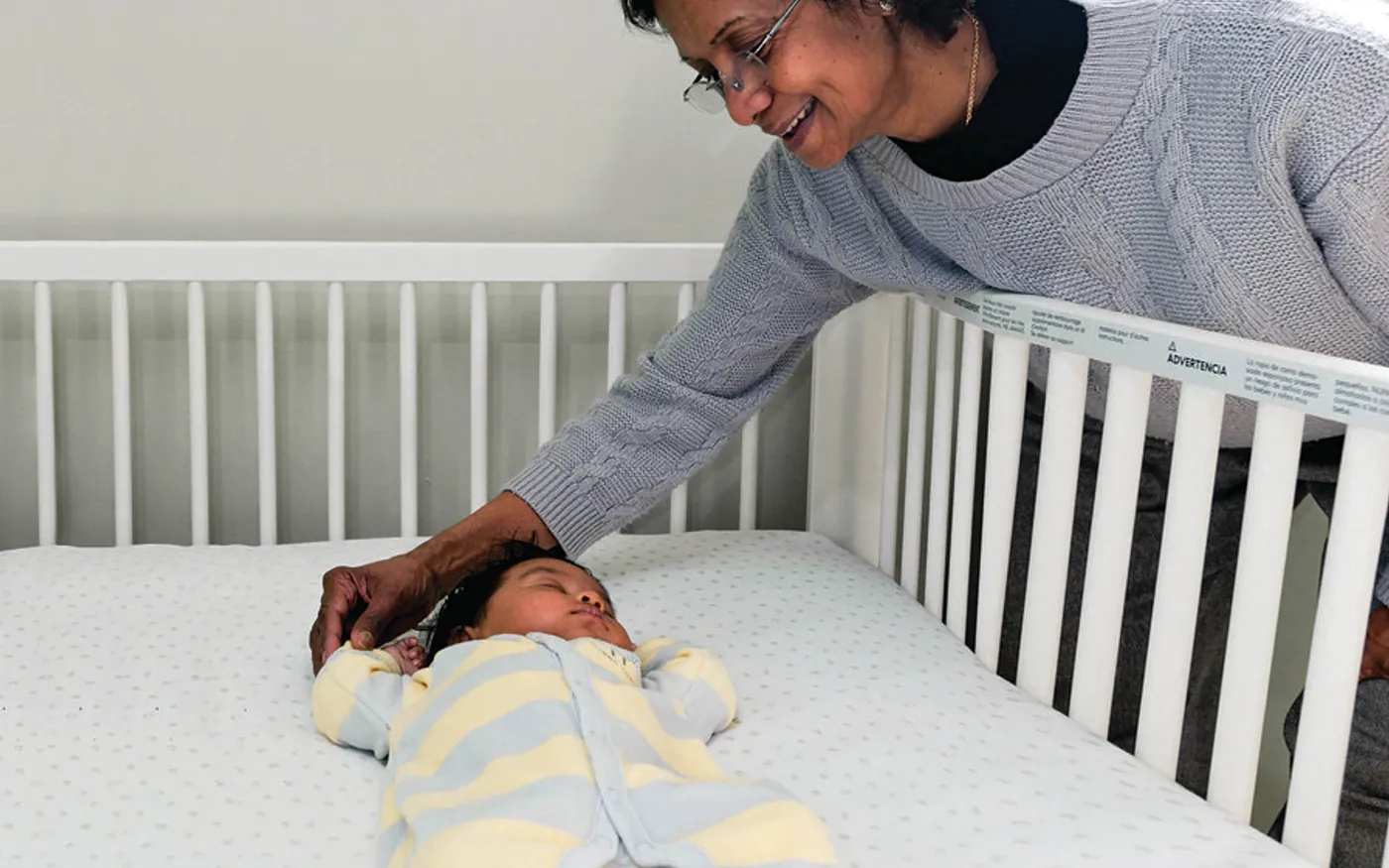
CPSC recommends back sleeping on an appropriate firm, flat infant sleep surface with a fitted sheet and no loose soft objects. A sleep budget should not be swallowed by matching bumpers, pillows and soft toys. Advertising that promises a womb-like nest does not answer the essential question: is this actually a product designed and suitable for infant sleep?
For a borrowed cot, establish that the instructions, parts and correctly fitting mattress are available; do not add padding to compensate for a mismatch. Ask for the model and origin so relevant safety warnings can be found. CPSC's US standards are not a certification of every product sold in Vietnam. An unidentifiable item is not a bargain simply because it costs nothing.
Feeding equipment follows the feeding plan
Someone planning direct breastfeeding may initially need a comfortable place and access to feeding support more than a complete machine collection. A household using bottles needs a suitable cleaning and sterilizing arrangement and a feeding plan. Begin with a process caregivers understand. A multifunction appliance does not replace instruction in safe use and cleaning, or solve feeding difficulties on its own.
Before choosing something costly or hard to return, ask which pieces come apart, whether replacements exist and who will clean them at the end of the day. Buying something later because needs changed is not evidence that the original plan failed. Nor must you keep unsuitable equipment to justify an earlier choice. The aim is reliable feeding, not loyalty to a shopping decision.
Changing and clothing: buy for your rotation
NHS guidance encourages starting with essentials and adding as needed. Try a modest supply of nappies and easy-change clothes before committing to one size or design in bulk. Minimal does not mean leaving a caregiver without clean clothes at night. It means understanding your washing, drying and replenishment process, then choosing a practical reserve instead of a speculative stockpile.
Try a layout rehearsal with another caregiver: ask them to find a clean outfit and the used-nappy destination without instructions. This is NIMO's organization exercise, not a test of parenting ability. If only the shopper knows where things are, a better layout may help more than another container. Easy recognition and access can matter more than a beautifully coordinated shelf.
What can be borrowed, and what needs a history
Intact, washable clothing is a straightforward category to consider second-hand. Car seats require a different decision. NHTSA's checklist addresses crash history, model and manufacture labels, recalls, complete parts and instructions. Clean upholstery cannot establish safety. A seat also needs to fit the child and vehicle and be installed according to its manufacturer's directions, not simply be available when a journey begins.
There is no universal second-hand rule for every device. With anything supporting sleep, positioning or transport, the information accompanying it is part of its value. A gentle response might be: Thank you; we do not have enough information to use this safely, but we would love the washable clothes instead. You can appreciate generosity without accepting equipment you cannot confidently use.
An extra should give time back
Before an extra warmer, monitor or soothing gadget, imagine its whole use cycle: setup, operation, cleaning, storage, charging and transport. Something that removes one task and adds several others may not suit your household. You can still buy an item because you enjoy it. Evaluate what it does, rather than the implication that owning it makes you a more capable parent.
NIMO suggests naming a recurring inconvenience before searching for a product. If clean cloths are always too far from the feeding chair, moving the basket might solve it without new furniture. If the problem is that a caregiver never gets a break, equipment may be less useful than another person taking a shift. Write the support plan beside the shopping plan.
A gift list that can change
Tell relatives: We are preparing what we need for arrival first; once we know what works for the baby, we will ask for the rest. Where appropriate, suggest a meal, help collecting essentials or a contribution toward later needs. Families differ in what support feels comfortable. A useful gift arrangement leaves the recipient room to state an actual need.
Once the baby arrives, the list will change. A heavily used item may deserve a spare; an unsuitable one can be retired without turning sunk costs into a principle. Good preparation combines safe basics with room to learn how your household works with this baby. Your home need not become a miniature shop, and care is not measured by the parcels at the door.
Practical checklist
- Write a specific care task beside each planned purchase.
- Let another caregiver try the proposed storage layout.
- Request model details, instructions and history for borrowed equipment.
From the guide to your next step
How NIMO built this guide
NIMO writes and localizes each guide for Vietnamese families, then checks key facts against the official references below. The links support the guide; they are not the guide itself.
Sources checked by NIMOFor symptoms or treatment decisions, confirm with an appropriate health professional.Next review · Dec 5, 2026