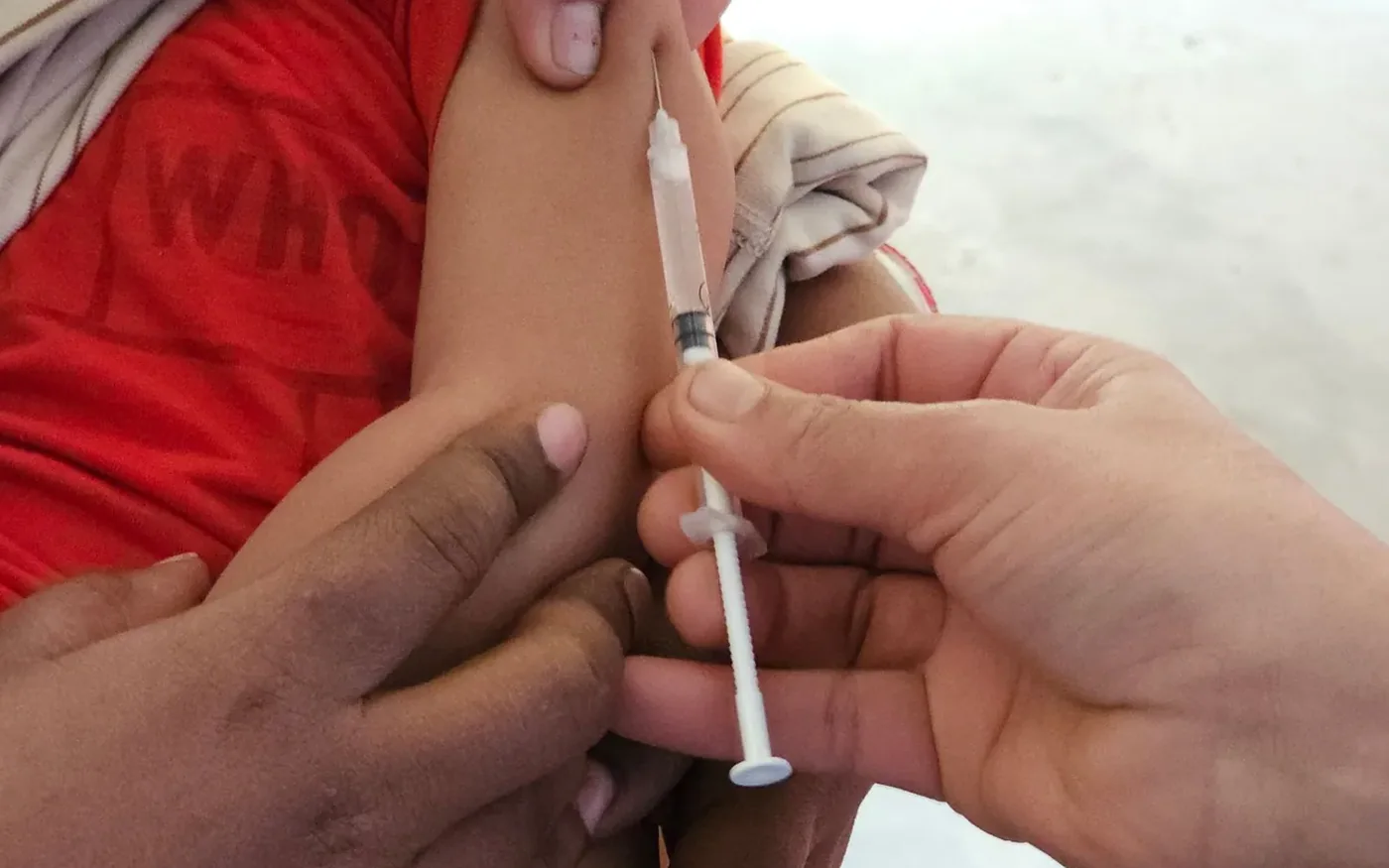
Losing a vaccination book does not erase doses already received, but it makes the next decision harder. Missing an appointment does not automatically mean starting again. Separate documented information from uncertain memories, then let a vaccination provider reconcile age, vaccine components and timing. In 2026, a generic schedule found online still cannot do that work for an individual child.
The short version
- 01
An interrupted documented series and an unknown history need different approaches.
- 02
Have each dose reconciled; do not infer vaccine components from a package name.
- 03
Record recovery and booking advice can proceed together; missing paperwork should not delay contact.
Jump to the part you need
Name the problem without assigning blame
A clear record of earlier doses with a missed next appointment is a documented interrupted series. Remembering injections without confirmed names or dates is an uncertain history. Both can coexist: hospital doses may be documented while another clinic's records are still missing. Explaining the distinction helps prevent treating everything as unvaccinated, or accepting memory as sufficient evidence for every later decision.
Book reconciliation while continuing the search. Try: I cannot confirm these doses; please advise how to verify them and what to do while waiting. Report a relevant exposure or previous instruction for prompt action rather than waiting for a perfect replacement book. Families do not owe a lengthy defence of why records were lost. Recoverable dates, previous providers and contact routes are the useful starting points.
Search providers, not just one app
List likely record holders: the birth hospital, local health station, private vaccination services and providers in a previous province or country. Another caregiver's photographs, discharge papers or certificates may identify the right contact. A vaccination-package receipt does not prove every included dose was administered. An appointment reminder establishes a booking, not attendance or completion. Keep these clues, but distinguish them from administration records.
When contacting a provider, give the name used at registration, birth date, approximate visit period and the family's phone number at the time. Ask whether they can search their records, help check vaccination data and issue confirmation. Do not assume one app contains every provider or that a blank screen means no vaccination. Use a confirmed official channel for documents rather than posting an identifiable vaccination book in a public group.
Keep confirmed and pending entries separate
A working table needs a date, product name or disease covered, provider and evidence source. Mark uncertain entries awaiting provider confirmation instead of filling them from typical vaccination ages. For example, one hospital slip may confirm a dated dose while a photograph cuts off another vaccine's name. Keep the incomplete image as evidence of what is known, but do not fill the missing name from an online schedule.
Keep foreign originals alongside translations or Vietnamese notes. Numeric dates can be interpreted differently, so clarify day, month and year where ambiguous. Names vary between countries, but the clinician needs components, not simply a transliterated brand. Expanding an unfamiliar abbreviation into the wrong vaccine can make a record look complete while making it less reliable. Leave unresolved details for the reconciliation appointment.
Reconcile components before counting injections
A combination injection can cover several diseases, while an oral vaccine leaves no needle event to remember. Visits therefore do not equal doses for each disease. Ask which doses can be accepted, which protection remains incomplete and which evidence is insufficient. If providers interpret a record differently, ask them to identify the product, date or component behind the disagreement rather than choosing whichever answer sounds more reassuring.
A different brand does not automatically invalidate a series, but neither is every product interchangeable. US CDC guidance supports the general principle that a longer interval usually does not require restarting a documented series. Its age and interval tables are not Vietnam's schedule. The treating provider must apply guidance for the actual programme and product. Families can ask for the reasoning without calculating catch-up doses themselves.
If records remain missing, make a forward plan
After a reasonable search, a clinician may recommend continuation, catch-up vaccination or another assessment depending on the vaccine and child. Antibody testing cannot reconstruct an entire vaccination history; not every uncertainty can be solved by one blood test. Understand which decisions rely on evidence and which address an unknown history, and why. This is a clinical discussion, not an automatic testing package the family must purchase.
Some products have age limits or specific intervals, so delaying advice has consequences. Booking a consultation does not commit the child to every injection that day: further verification or a more suitable setting may be needed, particularly after a severe previous reaction. Leave with the proposed vaccine, conditions for proceeding and a review point. If records are pending, identify who will follow up so the plan does not disappear into an administrative gap.
In 2026, programme policy is not same-day stock
MOH and UNICEF information published in 2025 described expansion of rotavirus vaccination in the national programme through 2026. That provides context for asking locally about access, not confirmation that every site has stock or every child remains age-eligible. Separate the clinical question of what this child needs from the access questions of public-programme or paid provision and when the product is available.
If moving between provinces or countries, share the planned departure date so care can continue; travel should not set dose intervals independently. Ask for a clear statement of what is complete and what the next provider should do, including product and components. A transferable record is more useful than a promise to remember a future reminder. Update contact details with the coordinating service after a move.
One working record, one backup, one coordinator
After reconciliation, keep one working record with the older evidence and photograph the complete updated pages, not just the cover. Administered doses need a clear date and vaccine name, with lot and provider details when supplied. Ask the issuing service to correct identity errors officially rather than editing only your own photograph. Two inconsistent versions can force the next appointment to restart the entire search.
Nominate someone to update the record after each visit, while ensuring other caregivers can find the backup. A final note may simply say that previous-provider records are pending, review is booked and no dates have been guessed. Resolving a lost book need not mean recovering the original object. It means an honest account of what is known and a defensible plan for protecting the child from today onward.
Practical checklist
- List previous providers and the child's registered name at each.
- Keep foreign originals beside translations and mark ambiguous dates.
- Get a plan for unresolved entries, not merely a new blank book.
From the guide to your next step
How NIMO built this guide
NIMO writes and localizes each guide for Vietnamese families, then checks key facts against the official references below. The links support the guide; they are not the guide itself.
General health information · Checked against official sourcesFor symptoms or treatment decisions, confirm with an appropriate health professional.Next review · Dec 5, 2026