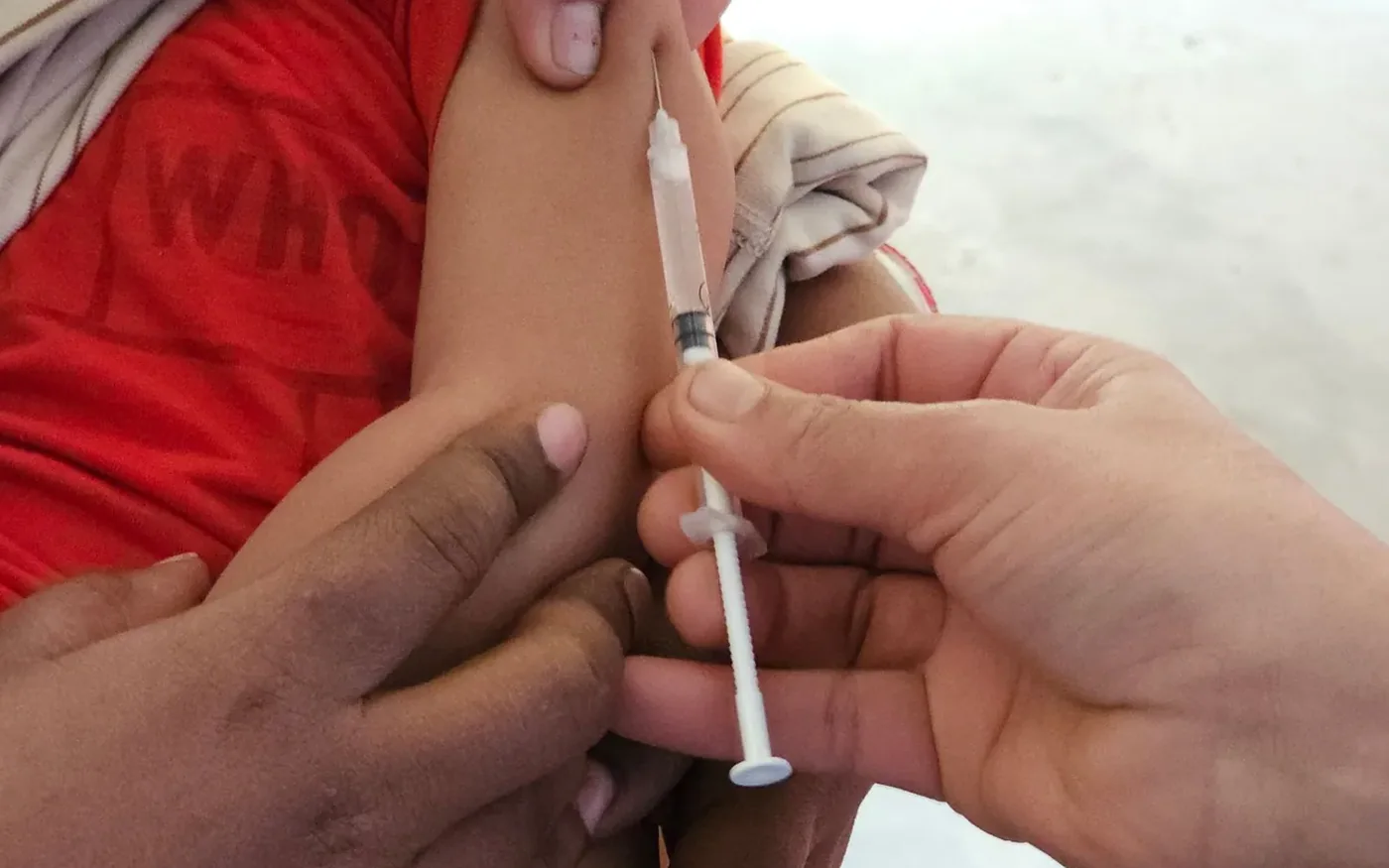
After an injected or oral vaccine, breathing difficulty, tongue or throat swelling, blue colouring, collapse, seizures or unusual difficulty waking needs immediate emergency help through 115 or the nearest emergency service. At the vaccination site, alert staff immediately. Do not wait for a callback or try a fever medicine first. Mild reactions need a different response: comfort, purposeful observation and a clear threshold for changing the plan.
The short version
- 01
Mild reactions can occur; breathing difficulty or reduced responsiveness is not something to wait out.
- 02
Observation advice is vaccine-specific; finishing the onsite wait is not the end of every possible reaction window.
- 03
Reporting an event after vaccination supplies information; it does not establish causation.
Jump to the part you need
The onsite wait has a purpose
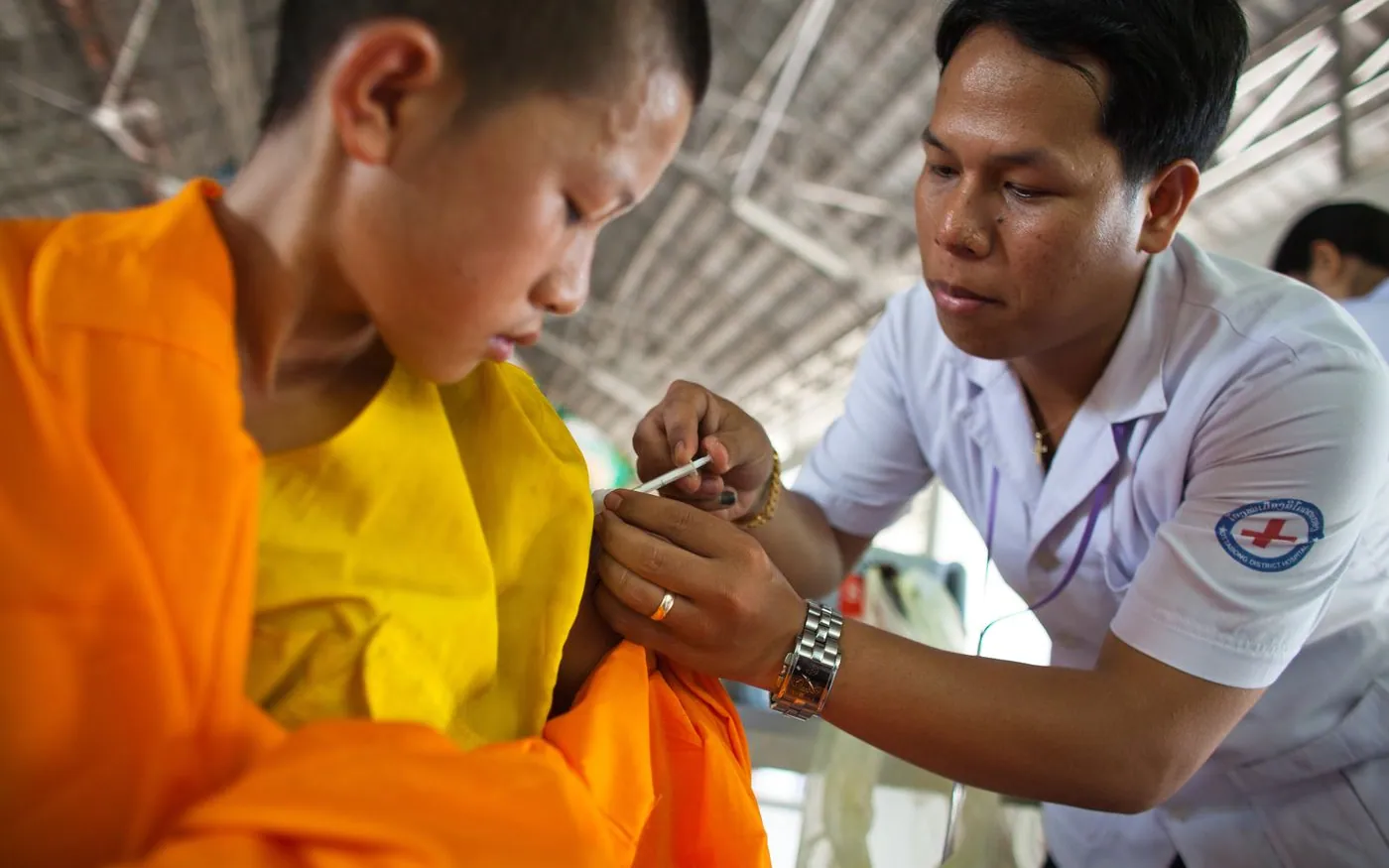
Onsite observation allows staff to recognize and respond to early reactions. MOH and UNICEF Viet Nam's rotavirus guidance specifies 30 minutes at the site and at least 24 hours of continued home observation; Da Nang CDC also publishes an onsite wait of at least 30 minutes. Looking well is not a reason to leave early. Follow any longer observation plan required for the product or the child's history.
Remain in the designated area, know where staff are and report changes immediately. Waiting in a car or nearby café is not equivalent to observation inside the service. Before leaving, complete the site's post-vaccination assessment and obtain instructions for the following hours. A tight onward journey or pickup commitment can pressure families to shorten this stage; allow a buffer when arranging the appointment instead.
Common reactions still need context
A sore injection site, mild fever or extra fussiness can follow some vaccines. Oral rotavirus vaccine may cause mild irritability or digestive symptoms. There is no single reaction timetable for every product and visit. Ask which symptoms are expected, when they may appear and when persisting symptoms should prompt contact. Product-specific advice is more useful than the broad reassurance that fever is normal.
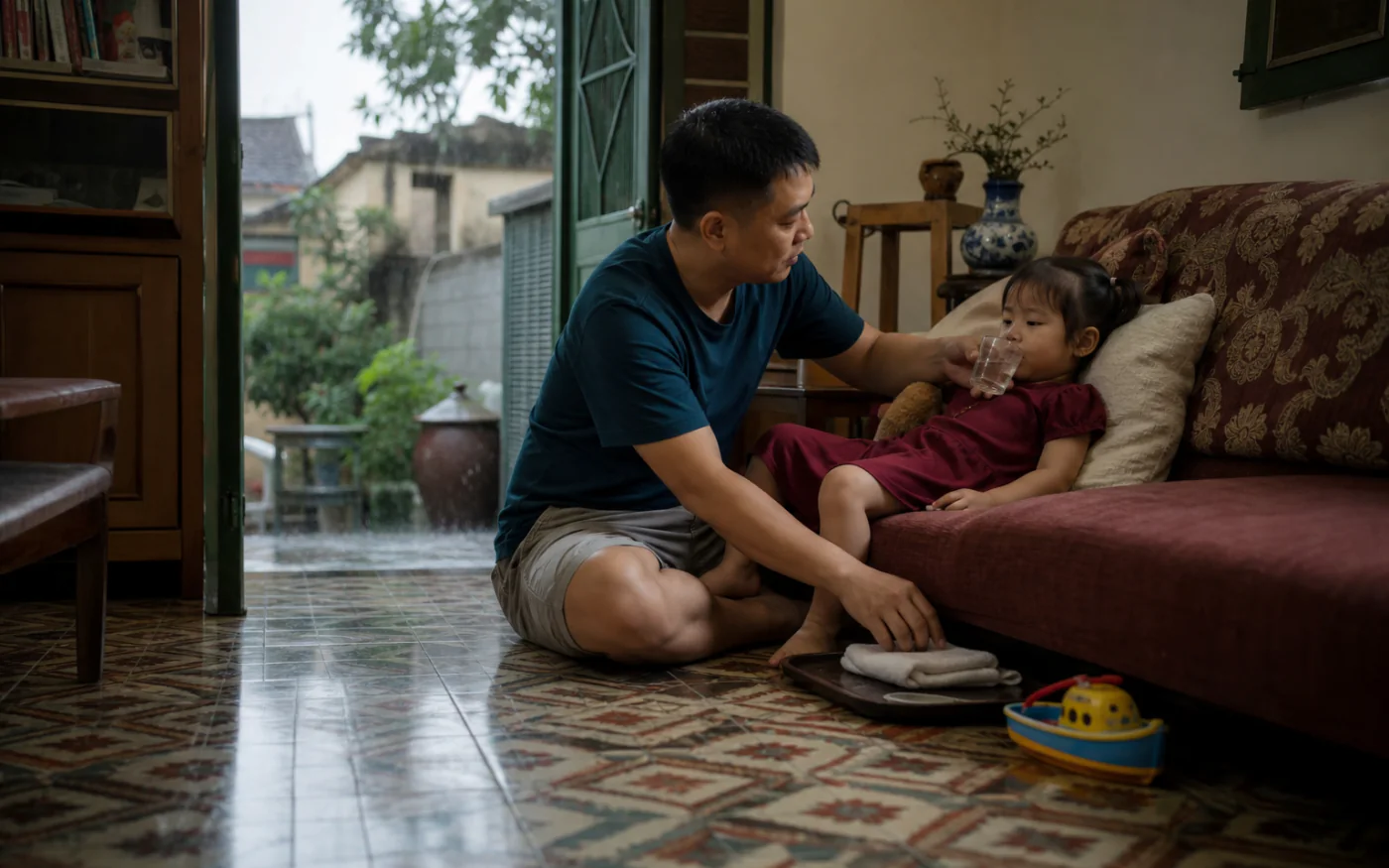
Watch the child between cries: do they recognize you, feed or drink, settle at least somewhat and pass urine? A sore-legged baby who still engages differs from one too drowsy to wake for feeds. Continuous temperature checking is unnecessary in a comfortable child, but use a thermometer if fever or illness is suspected and note how it was measured. Temperature is one piece of information, not a substitute for breathing and responsiveness.
Comfort without adding medicine risk
Offer rest, suitable feeds and familiar comforting contact. A clean cool damp cloth may soothe a sore injection site as advised; this is not whole-body cooling to force a temperature down. Avoid vigorous rubbing or unprescribed mixtures on the site. If pain or fever medicine is recommended, obtain instructions for the exact child and formulation rather than copying a sibling's previous vaccination prescription.
Do not independently premedicate against every possible reaction or combine products sharing an ingredient. A caregiver taking over needs the name and time of any syrup already given. Ask about feeding instructions for the actual oral vaccine instead of applying one product's advice to all vaccinations. If the child vomits during oral administration, tell staff and let them decide what to do; do not obtain an extra replacement dose yourself.
Signs that should not wait for a callback
Breathing difficulty, tongue or throat swelling, collapse and reduced responsiveness can accompany a severe allergic reaction. The presence or absence of hives cannot establish safety. Do not photograph a rash and await friends' opinions while breathing is abnormal. Follow an existing prescribed allergy emergency plan while calling for help. An oral antihistamine is not a substitute for emergency treatment of a threatened airway.
After rotavirus vaccination, episodes of severe abdominal pain, intense crying with legs drawn up, repeated vomiting, weakness or blood in stool need immediate assessment for possible intussusception. This is rare; not every cry represents an emergency. The practical point is not to wait for the entire pattern, especially not for blood to appear. Tell the emergency team the vaccine and date, but care takes precedence over finding a lot number.
When prompt medical contact is still needed
Markedly reduced feeding, less urine, persistent vomiting, inconsolable crying or increasing pain and swelling warrants medical contact rather than repeatedly labelling the reaction mild. A baby under 3 months with a temperature of 38°C or above needs urgent assessment: report the vaccination rather than assuming a safe exception. Keep product-specific contact instructions accessible. Deterioration should move the child to a higher level of help.
For example, A little fever after vaccination is less useful than Vaccinated this morning, feeding dropped this afternoon, and now the baby is difficult to wake. Local soreness in a playful child is a different story. Real times and observable changes help triage. Do not recite the entire vaccination book before the current concern; product names, conditions and medicines can follow the immediate description of breathing and responsiveness.
Document the event without deciding its cause
WHO emphasizes that an event after vaccination does not by itself prove vaccine causation; coincidental illness must also be considered. That does not make the child's symptoms less real or less reportable. Once care is secured, record vaccination date, symptom onset, course, medicines and where assessment occurred. Ask the vaccination provider to document the event and guide reporting through Vietnam's system rather than importing another country's reporting route.
Bring this account to the next appointment so the clinician can consider further assessment, a different setting or product, or routine continuation. Do not abandon all future vaccines because of an unevaluated reaction, or conceal one for fear of postponement. Honest discussion supports both infection prevention and an appropriate vaccination approach. A good plan ends with a contact and next action, not a promise that reactions can never happen.
Practical checklist
- Keep the actual vaccine's instructions and the provider's supplied after-hours contact.
- At handover, share medicines given and the changes being watched.
From the guide to your next step
How NIMO built this guide
NIMO writes and localizes each guide for Vietnamese families, then checks key facts against the official references below. The links support the guide; they are not the guide itself.
General health information · Checked against official sourcesFor symptoms or treatment decisions, confirm with an appropriate health professional.Next review · Dec 5, 2026