A thoroughly cooked lunch can become an unsuitable choice after hours in a hot car. Clear-looking water does not reveal how it was treated. On an outing with children or a pregnant family member, food safety spans preparation, transport and eating, not just the dish's name or a venue's appearance. The best plan is often modest: take less, handle it properly and have an alternative.
The short version
- 01
Cooked food still needs safe handling during transport and waiting.
- 02
Ice, drink-mixing water and water used for produce belong in the safety plan.
- 03
Do not taste-test a long-held meal to prove it is safe.
Jump to the part you need
Plan the menu around storage, not just preference
WHO's five keys cover cleanliness, separation of raw and cooked foods, thorough cooking, safe temperatures, and safe water and ingredients. On an outing, translate them into practical questions: how will this food stay cold, which utensil touched raw ingredients, and where can hands be washed? If those questions have no answer, changing the menu may work better than adding more containers.
For a short park visit, properly stored shelf-stable items and whole fruit washed and peeled with safe water may simplify the load. Meat, eggs, dairy or cooked leftovers need a clearer temperature plan. A child's food must also suit their eating abilities; portable does not automatically mean safe to chew. Infant milk needs its own handling guidance, not a lunch-box rule borrowed at random.
For a shared picnic, agree beforehand which dishes need cooling and who has space, rather than combining everything on arrival. Different people can handle clean utensils and drinking water; one person need not remember it all. If a child or pregnant traveler needs a separate food option, arrange it before serving so they are not left waiting while the group reconstructs ingredients and suitability.
An insulated bag does not make food cold
Use a cooler with an appropriate cold source for foods needing refrigeration, keep it closed and out of direct sun. An empty insulated bag does not demonstrate safe cold holding. Separate frequently accessed drinks when repeated opening undermines food storage. A suitable thermometer is more informative than a vague impression that the container still feels cool, especially after an unexpected delay.
CDC and USDA advise against leaving perishable food outside safe refrigeration for more than two hours, or one hour when ambient temperature exceeds 32.2°C. Include time waiting at home, traveling and sitting out for the meal; changing bags does not reset the clock. These are action limits, not a promise that every food is certainly safe until the final minute.
Include the pauses nobody calls travel: the lunch on the counter during a nappy change, an extra stop before eating, or dishes left out while children play. Recording departure alone misses those periods. If the schedule stretches, changing the meal or eating sooner may be more sensible than preserving the original picnic location at all costs. Flexibility in the outing helps protect the food too.
Think about the whole drink, not only the bottle
CDC recommends reliable factory-sealed bottled water or appropriately treated water when local water safety is uncertain. Ice also needs a safe water source; clarity is not certification. Water mixed into juice, used on produce or contacting utensils can matter too. When the source cannot be established, choose no ice and a more clearly handled alternative rather than judging safety by appearance.
A short, courteous question is enough: Is this water intended for drinking, and what water is used for the ice? If the answer is unclear, change the order without condemning the venue. Do not assume every street vendor is unsafe or every air-conditioned restaurant is safe. Handling matters, not the price or style of the furniture.
Serving is where small separations matter
Wash hands with soap and safe water before preparing food, feeding a child or eating, especially after toileting or changing nappies. Raw-food utensils should not move directly onto cooked food, and raw marinade is not automatically a dipping sauce. Outdoor cooking needs an appropriate way to assess doneness rather than surface color alone. Give clean and dirty items visibly separate places.
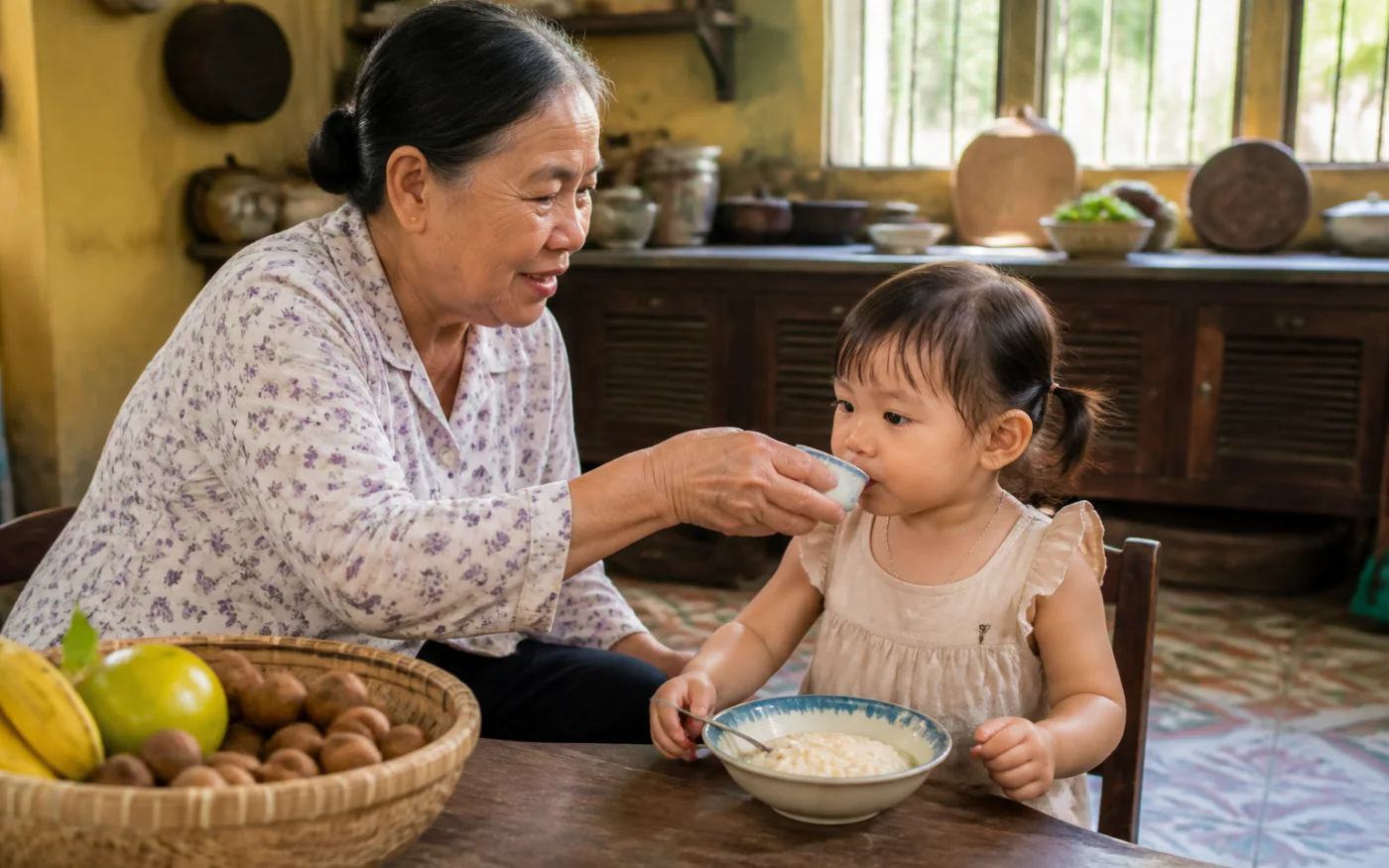
Serve small amounts and keep the remainder under appropriate conditions rather than displaying every container for a picturesque picnic. A spoon that has been in a child's mouth should not return to a shared container intended for later storage. A simple handover works: this portion is for now; that one stays cold. Clear organization can replace constant adult-to-adult reminders.
Sometimes discarding food is the least costly decision
If the time outside safe storage is unknown, or the cooler stopped working at an unknown point, do not use smell or taste as a test. Harmful contamination may not announce itself through an odor. Reheating is not a reset button for the entire storage history. Food contaminated by dirty water, floodwater or chemicals does not become suitable simply because the container is wiped.
Agree a sentence before leaving: if we no longer know how this food was held, we use the alternative. Packing modest quantities makes that decision easier. If a relative cooked carefully, appreciate the effort while declining the questionable portion. Respect for the cook does not require proving safety by eating it, especially when a child or pregnant person would carry the consequences.
If vomiting or diarrhea starts, change the day's priorities
Pause the outing and notice drinking ability, alertness and urine output. Oral rehydration solution may be appropriate with professional and label guidance; do not alter its concentration. NHS advises continuing breastfeeding and obtaining help if a child stops feeding, has fewer wet nappies or cannot retain fluids. Seek advice earlier for a young baby, pregnancy or underlying illness rather than waiting for a particular stool count.
Green vomit in a child, blood in vomit, severe abdominal pain, marked drowsiness or breathing difficulty needs emergency assessment. Someone vomiting or having diarrhea should avoid preparing the group's food when another person can take over. Note foods and symptom onset, but do not delay care to identify the responsible venue. Ending the outing early can still be a good act of family care.
Practical checklist
- A suitable cold source and a way to track time outside storage.
- Safe drinking water, handwashing access and separate clean utensils.
- An alternative meal if the packed food is no longer suitable.
From the guide to your next step
How NIMO built this guide
NIMO writes and localizes each guide for Vietnamese families, then checks key facts against the official references below. The links support the guide; they are not the guide itself.
General health information · Checked against official sourcesFor symptoms or treatment decisions, confirm with an appropriate health professional.Next review · Dec 5, 2026