Once tickets are booked, the obvious question is which vaccines everyone needs. But the country name is only the beginning. Accommodation, outdoor activities, duration, age and previous vaccination can all change the consultation. Families living in Vietnam should specify whether this is domestic travel, an overseas journey or relatives arriving from abroad. Those situations do not share one interchangeable checklist.
The short version
- 01
Bring an itinerary and each person's vaccine record; the destination name alone is insufficient.
- 02
Routine protection, travel exposure and entry documentation are three separate questions.
- 03
Pregnancy and young children need individual advice; an early travel dose may not replace the routine schedule.
Jump to the part you need
Describe the trip as it will actually be lived
Include stays with relatives, rural visits, camping and possible animal contact, not just the hotel in the first city. CDC distinguishes exposure by duration, activities and accommodation, including when discussing Japanese encephalitis in Vietnam. A destination address does not describe the whole risk; what the family expects to do there makes the consultation more useful.
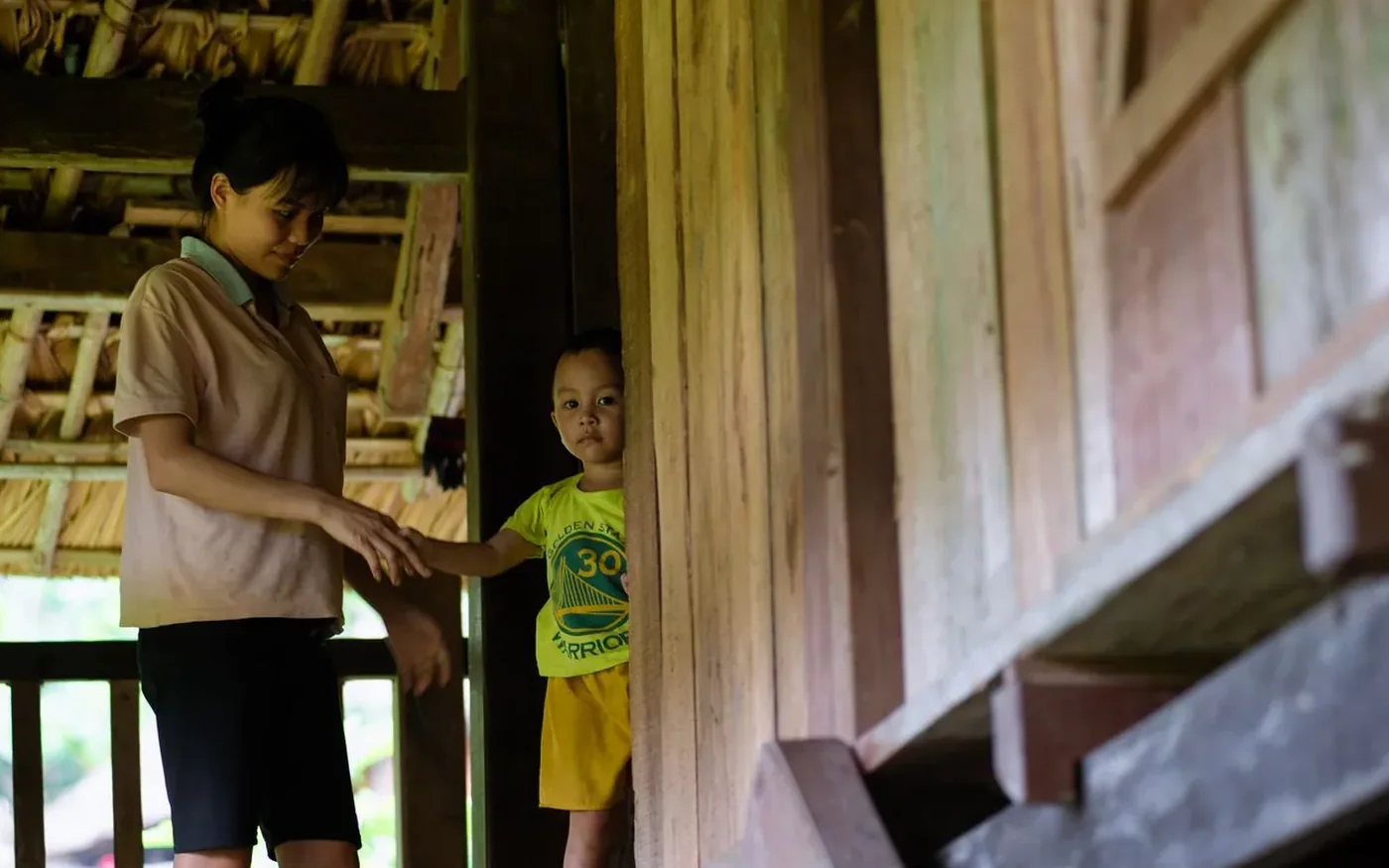
Imagine two families arriving in Hanoi: one stays in the city briefly, while the other spends several subsequent weeks with rural relatives and outdoors. The first family's plan cannot settle the second family's needs. If arrangements remain uncertain, say which parts are provisional. Ask what itinerary change should trigger another conversation rather than asking the clinician to guess the entire trip.
Visits to relatives can be the most flexible part of an itinerary. A city stay may acquire rural overnights, an overnight journey or animal activities after the consultation. Not every small change needs another visit; ask in advance which changes matter medically. A plan with explicit conditions remains more useful than a list treated as correct for every possible version of the holiday.
Open the existing vaccine record first
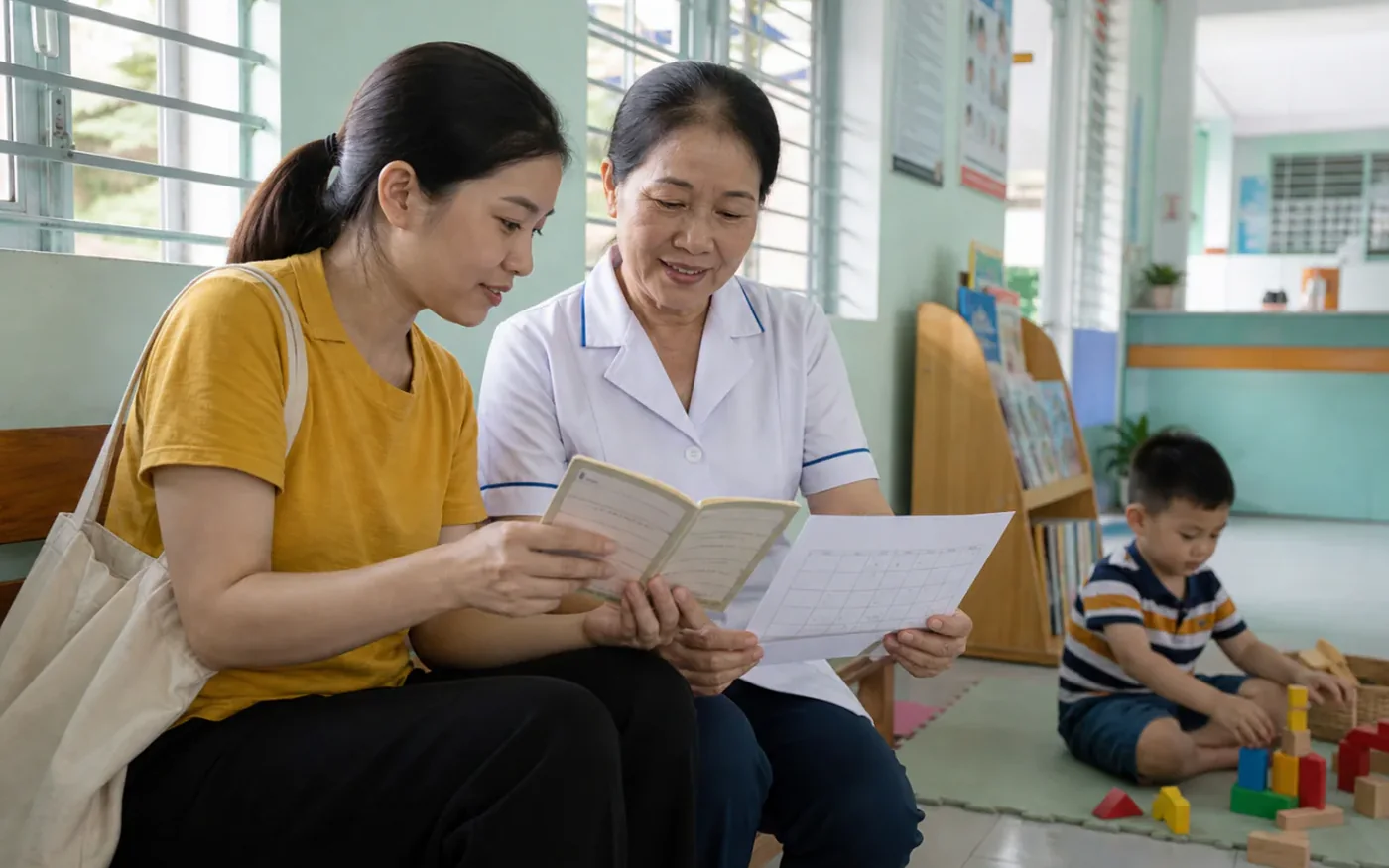
WHO and CDC treat pre-travel care as an opportunity to review routine protection. Bring each person's records, including documents from another country; brand names may differ even when the disease covered is the same. Memory of having all childhood shots is not a complete record. If documents are missing, ask about retrieval or catch-up assessment rather than deciding to repeat everything.
A small table can list the traveler, date of birth, vaccine or disease as written, and administration dates. Let the clinician interpret schedules and intervals; the family need not translate every brand name into a self-designed program. A useful appointment distinguishes confirmed protection from missing information without turning the person booking the tickets into an amateur vaccination coordinator.
Separate health protection from entry requirements
A vaccine advised for health protection is not necessarily an entry requirement. Conversely, documentation for a journey may depend on transit countries as well as the final destination. Check current official health and immigration information for the actual route. An old list circulating in a travel group is not proof that the family satisfies the documentation requirements.
Ask three distinct questions: what routine protection is missing, what additional exposure does this trip create, and what certificate must be carried? No special certificate does not mean no preventive care. If a certificate is required, establish who may issue it and when it becomes valid; a recent injection does not automatically satisfy every next-day travel requirement.
An infant travel dose can be an extra step
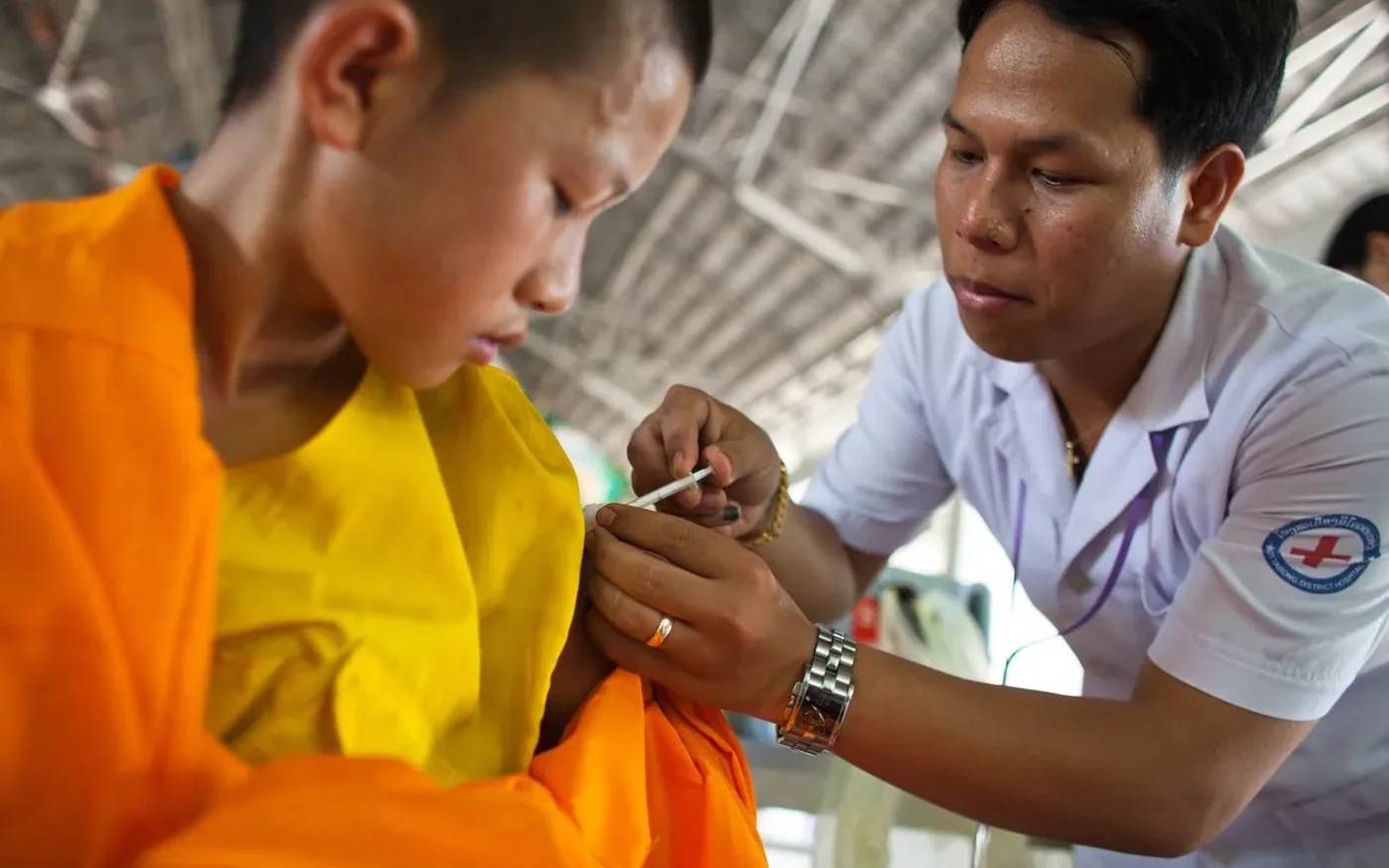
CDC notes that some vaccines, including measles or hepatitis A protection, may be considered earlier for international travel; some early doses do not replace the later routine series. Age, product and previous doses determine the pathway. One vaccine's eligible age does not establish eligibility for all others, and an adult schedule cannot simply be scaled down for a child.
Leave with two separate lines for the child: actions before departure and actions still due afterward. If relocating internationally, obtain dates and product names so the receiving service can continue the record. An extra travel-related dose should not accidentally erase a later appointment simply because everyone remembers that the baby already had that vaccine.
Pregnancy changes the discussion
Disclose pregnancy, possible pregnancy or plans to conceive before accepting a vaccine recommendation. CDC describes many live vaccines as contraindicated in pregnancy, with special risk-benefit considerations for situations such as yellow fever. Neither rejecting every vaccine nor accepting a friend's recommendation is a sound shortcut. The discussion must consider disease exposure, the product and whether the trip can change.
Vaccine counseling does not replace assessment of pregnancy travel itself. Ask whether the destination has appropriate obstetric and newborn care and what would justify postponing or shortening the journey. If a complication is being monitored, involve the maternity clinician. A complete vaccination record cannot solve being far from care that the pregnancy may need.
It is still worth asking close to departure
WHO advises seeking pre-travel advice early because some plans take time. If only a few days remain, contact a service anyway: useful actions or itinerary changes may still be possible. Give exact departure and return dates rather than next week. Do not shorten dose intervals yourself to fit the tickets; let the clinician identify the appropriate options.
Ask whether the service sees your child's age group, advises pregnant travelers and can assess the relevant products. A price list is not confirmation of stock. For a multi-visit plan, discuss continuity if the next appointment falls while you are elsewhere. A focused call about actual constraints is more useful than booking one package for everyone and resolving the differences afterward.
If one person needs several appointments while another only needs record review, the whole family need not take leave or wait together for every step. Ask for individual next actions and a contact route if plans change. Mention needle anxiety in advance; do not promise no pain or conceal an injection from a child. Honest, age-appropriate preparation can make the visit less like a race against departure.
After vaccination, keep the wider protection plan
Vaccines do not replace safe food and water, bite prevention or avoiding unfamiliar animals. After an animal bite or scratch, wash the wound and obtain prompt medical care; previous rabies vaccination does not remove the need for post-exposure assessment. If illness develops after travel, give the destinations and dates rather than leaving the clinician to reconstruct the journey from fragments.
Before departure, each traveler should know where their plan is stored, which appointments remain and which records to carry. Keep a private accessible copy. Preparation cannot remove every uncertainty, but it can reduce difficult mid-trip decisions: who has been assessed, what remains unfinished and where help will be sought if the situation changes.
Practical checklist
- Itinerary includes transit, family stays and outdoor activities.
- Individual records plus pregnancy, medicine and allergy information.
- A pre-departure plan and any doses or visits still due afterward.
From the guide to your next step
How NIMO built this guide
NIMO writes and localizes each guide for Vietnamese families, then checks key facts against the official references below. The links support the guide; they are not the guide itself.
General health information · Checked against official sourcesFor symptoms or treatment decisions, confirm with an appropriate health professional.Next review · Dec 5, 2026