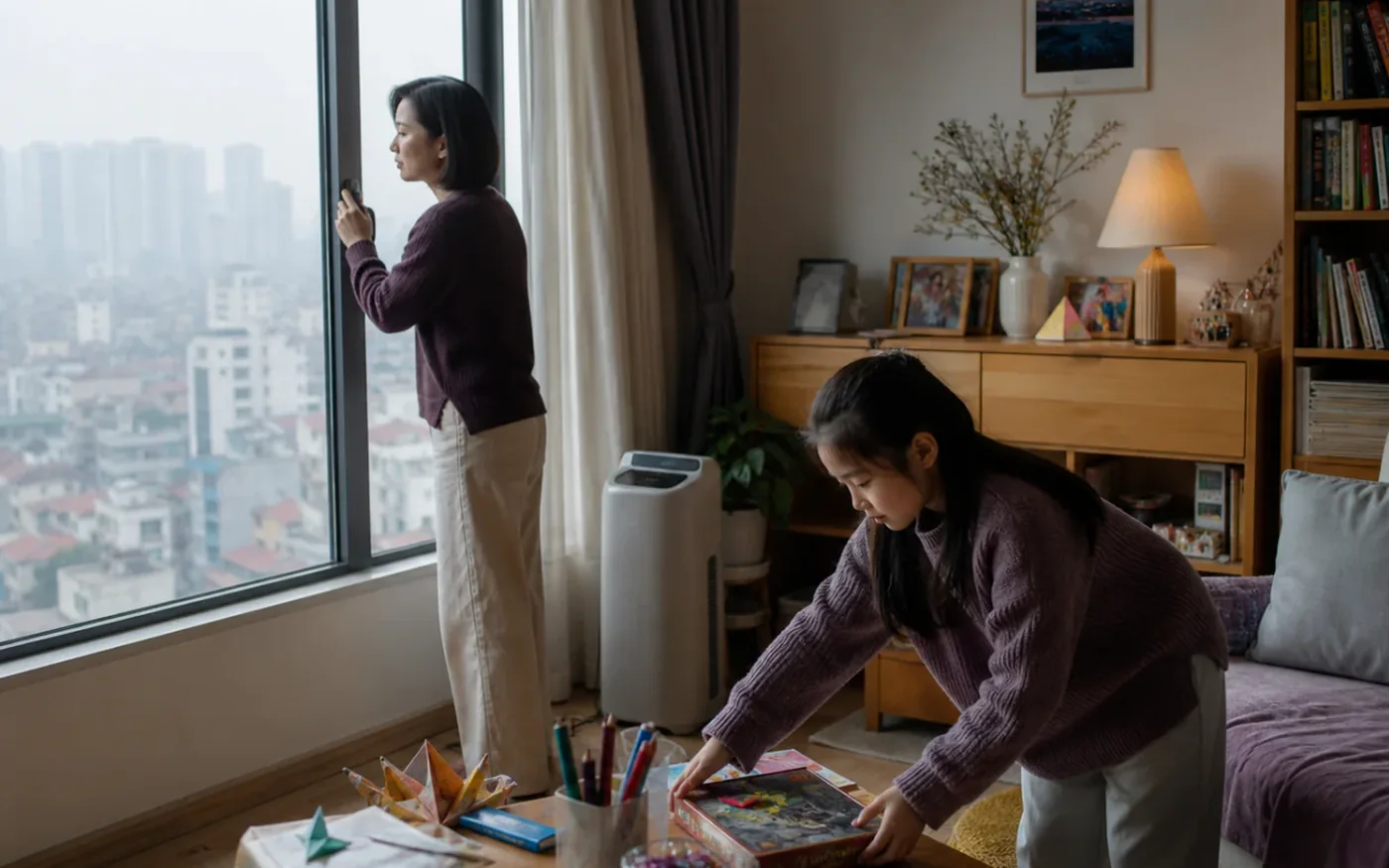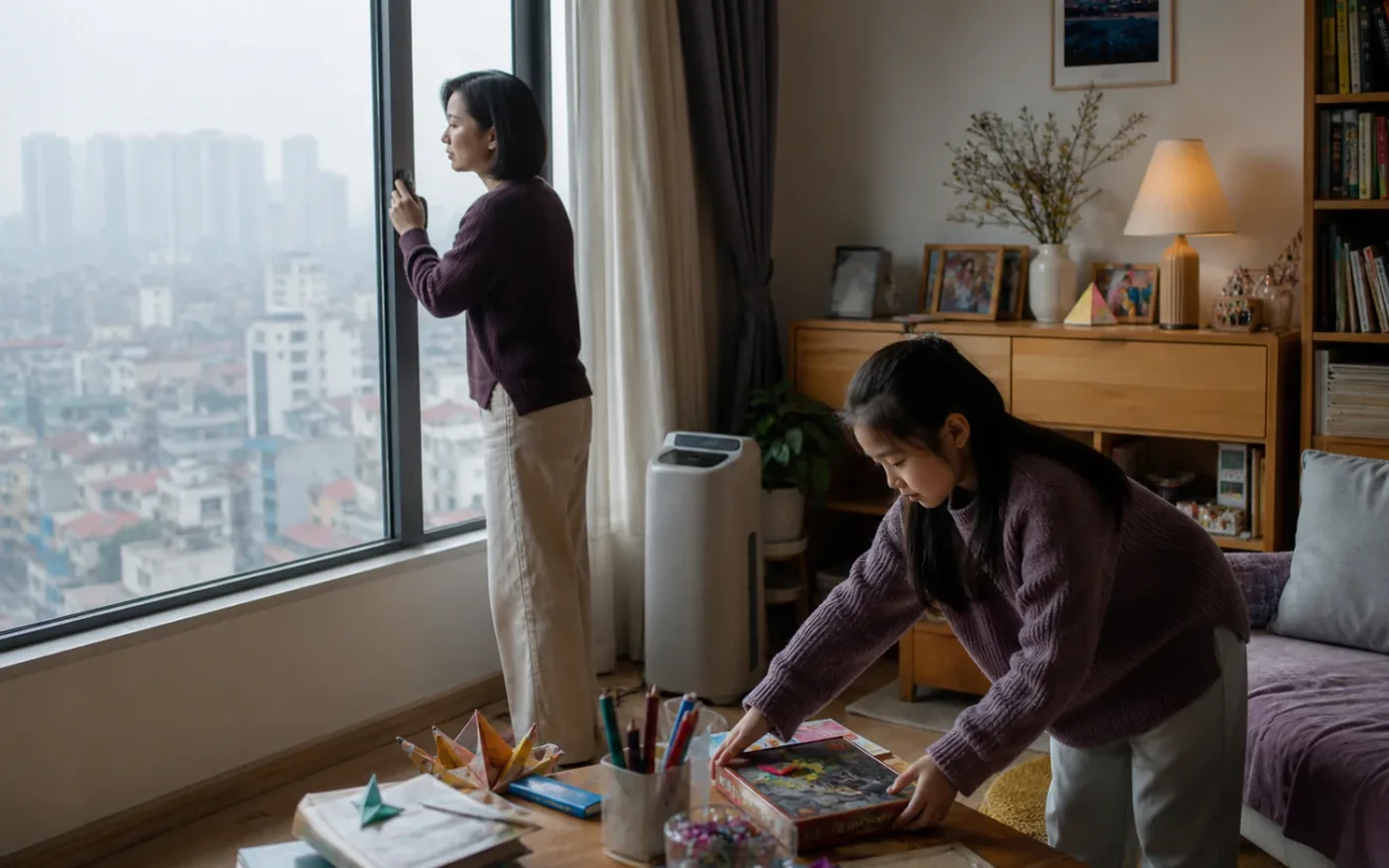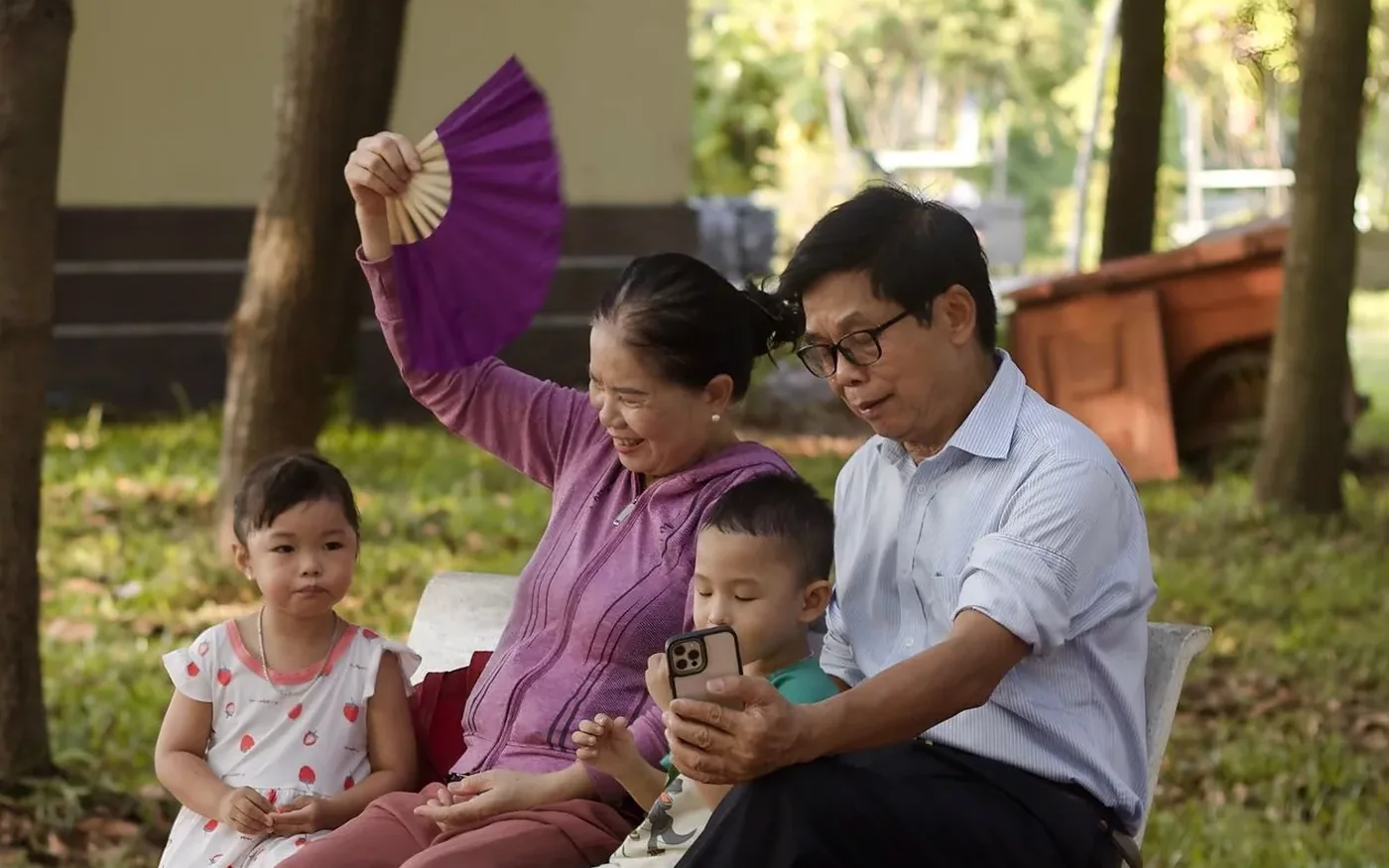
A family can leave in sunshine, search for shade before lunch and hear thunder while still waiting for food. The issue is not only whether the forecast was accurate; it is whether the itinerary allowed a change. In Da Nang, keep one main experience instead of defending a long list of destinations. Build the rest around the ability to rest, escape heat and reach proper storm shelter.
The short version
- 01
Choose one main activity rather than committing to a whole day outdoors.
- 02
Shade helps with sun; lightning requires proper shelter.
- 03
The child's condition can change the plan before the forecast does.
Jump to the part you need
Choose the memory, then remove a stop
Ask what the family most wants to keep: seeing the sea, a short riverside walk or meeting friends. One main aim can change time or duration without making the whole day feel lost. Avoid stacking activities that require outdoor queues, transport waits and long walks. The connecting stretches may have no names on the itinerary, but the child experiences their heat just as surely as the named attractions.
Make it possible to end the outing immediately after the main experience. If eating out, establish whether an indoor seat is available rather than relying on garden photographs. For a baby, feeding, changing and cooling breaks belong inside the schedule, not in the category of interruptions. This does not control the weather; it reduces how many decisions adults must make after everyone is already tired.
Read the forecast alongside an exit map
Check current warnings for the area and ask the destination about closures, delays or changed activities. An hourly forecast helps planning; it is not permission to remain exposed until a fixed time. This guide establishes no coastal or riverside stretch as suitable in every condition. If warnings call for restricted travel, cancel rather than trying to squeeze the original schedule around them.
Identify a substantial enclosed building reachable without a long exposed approach and know the pickup point. Confirm that the family may actually wait there; a map symbol does not mean an open door. If the entire storm plan is running to the nearest canopy, revise the itinerary before leaving. Discovering stairs or an outdoor-only waiting area is much harder with a sleeping child on your shoulder.
Count waiting time as heat exposure
WHO advises avoiding strenuous activity during the hottest periods, finding cool spaces and never leaving children in parked vehicles. Add queues, restaurant searches and transport waits to the exposure budget, not just sightseeing minutes. There is no universal safe number of outdoor minutes for every child. Age, health, humidity, shade and activity can make apparently similar days very different experiences.
Reach the rest stop while the child can still comfortably drink, feed or talk, rather than after irritation has spread through the family. Bring light clothing, age-appropriate drinks and a way to shorten walking. A stroller needs airflow; covering it with a blanket can trap heat. A small fan or sunscreen cannot substitute for removing the child from an excessively hot environment.
Thunder changes the location, not just the clothing
NWS states that hearing thunder means lightning may already be close enough to strike. Move into a suitable substantial building or an enclosed metal-topped vehicle with windows closed, not under a tree, umbrella or open-sided shelter. In a vehicle, an adult stays with the child and manages cabin heat. Storm shelter must never become a reason to accept an overheated car or leave a child alone.
While sheltering, stay away from windows, plumbing and direct contact with electrical equipment as NWS advises. Its guidance is to remain sheltered for at least 30 minutes after the last thunder; ongoing warnings or flooded access can require staying longer. Count from thunder, not the end of rain. The family may still choose to end the outing even if the sky later brightens.
When the child is unwell, stop negotiating
Headache, dizziness, nausea, unusual weakness or marked thirst in the heat are reasons to stop and assess somewhere cool. With a non-speaking child, notice feeding, interaction and response to caregivers. Seek medical help if symptoms do not improve promptly, the child cannot drink or you are uncertain about their condition. A child should not have to describe the problem perfectly to earn a break.
Confusion, difficulty waking, seizure, collapse or breathing difficulty in a hot environment require emergency help: call 115, move somewhere cool and cool the skin with water and airflow while following instructions. Do not force drinks if the child is not fully alert or wait for fever medicine to determine whether to call. Skip the final attraction and any unnecessary hotel detour for belongings.
An example itinerary with permission to stop
A workable structure is a short outdoor activity in suitable conditions, an indoor break, and only then a decision about another stop. Drop the final stop if heat or storms develop; if the rest venue no longer works, return by a safe route. This is a scheduling example, not an endorsement of a particular business. Keep the sequence of resting before deciding rather than promising more while the child is tired.
Tell the child that changing plans is how the family looks after one another, not somebody's fault. Adults should also agree beforehand about prepaid tickets and reservations: money already spent does not oblige anyone to remain in worsening conditions. A shorter day with something enjoyable to remember is better than a long one remembered only for rushing through rain. Flexibility can be an intentional plan.
Practical checklist
- Keep one main activity and a removable final stop.
- Confirm indoor shelter and pickup access.
- Stop at thunder or signs that the child is unwell.
From the guide to your next step
How NIMO built this guide
NIMO writes and localizes each guide for Vietnamese families, then checks key facts against the official references below. The links support the guide; they are not the guide itself.
Sources checked by NIMOFor symptoms or treatment decisions, confirm with an appropriate health professional.Next review · Dec 5, 2026