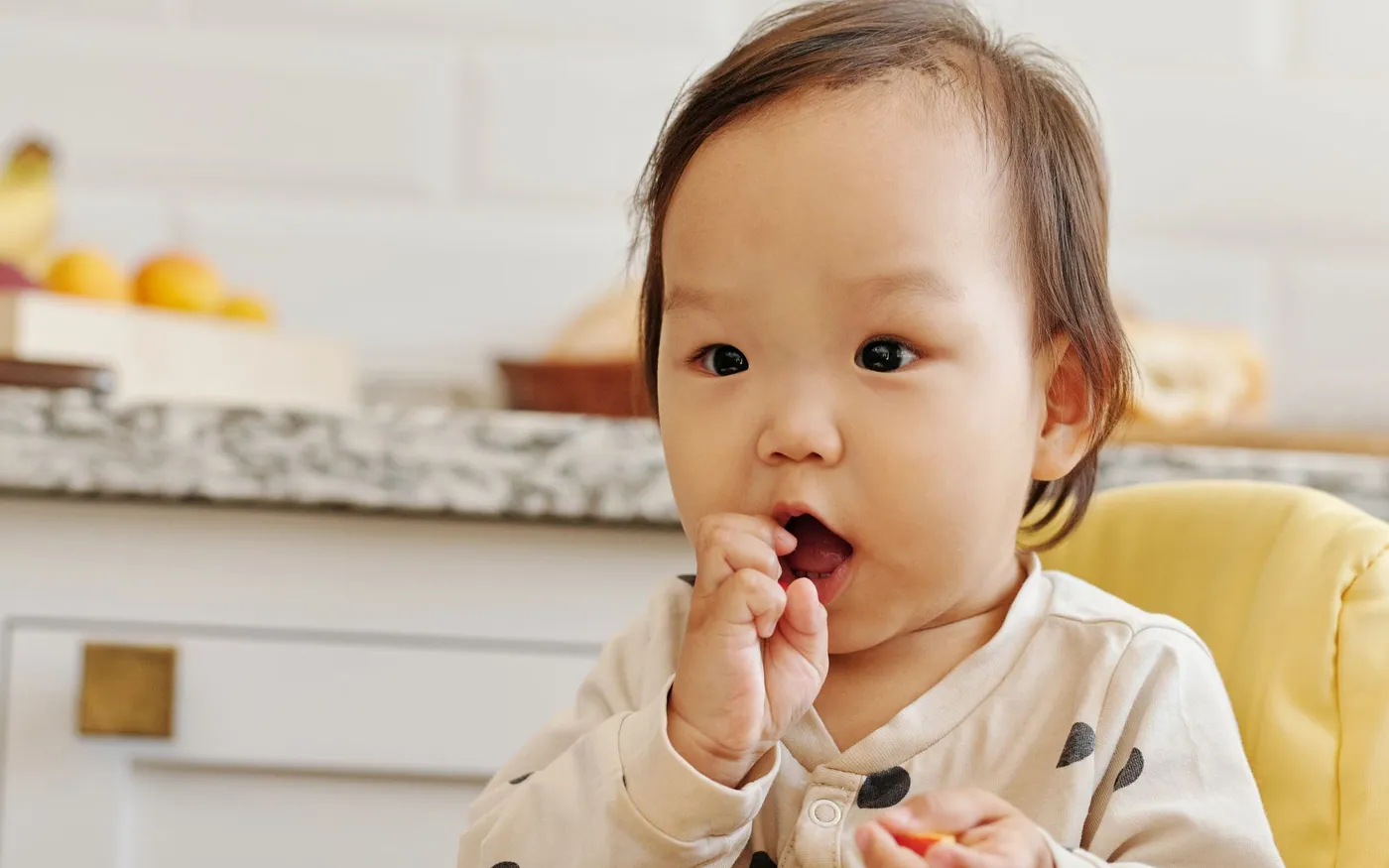
A new white edge on the gum is an easy photograph to send the family. It is also the moment to start brushing, without waiting for a row of teeth. Baby teeth can decay and hurt before a child can explain where the pain is. The useful first investment is not an elaborate kit but a gentle, repeatable routine that every caregiver can follow.
The short version
- 01
Start with the first tooth, brushing twice daily with an age-appropriate amount of fluoride toothpaste.
- 02
An adult does the cleaning; holding a brush is not the same as brushing.
- 03
Arrange early dental care and ask about changes before pain is reported.
Jump to the part you need
Start small, but actually start
NHS recommends beginning as soon as the first tooth appears. Choose a small, soft brush and a position that lets you see while supporting the baby's head. Sitting the baby on your lap with their head against your chest can help. Clean the tooth surfaces gently. Chewing a brush may build familiarity, but does not replace an adult doing the cleaning.
Attach brushing to two existing routines, such as morning dressing and getting ready for sleep. It need not become a lengthy ritual. Keep the brush and paste easy for caregivers to find but out of the baby's independent reach. If a session was missed, resume next time rather than scrubbing harder to compensate. Tooth care is a repeated practice, not a debt to repay.
Fluoride toothpaste: look at the amount on the brush
ADA and NHS advise a tiny rice-grain-sized smear under age three and a pea-sized amount from three to six. An adult dispenses the paste and brushes twice daily. Fluoride helps protect enamel; fluoride-free paste does not provide that same effect. If a locally sold label is unclear or the child has particular decay risks, take the product information to the dentist for selection advice.
A baby who cannot spit well needs carefully controlled paste, not a full brush followed by a large rinse. Encourage spitting when developmentally possible; NHS advises against rinsing away fluoride after brushing. Do not let the child lick the tube or dispense extra. Mouthwash or supplements are not automatic upgrades to the routine; additional products should come from individual dental advice.
A closed mouth calls for a different approach
Some days the baby wants everything except the adult's toothbrush. Offer a small choice: your lap or another safely supported position the dentist has shown, this song or that one. The choice is how to participate, not whether teeth need cleaning today. Give a short warning: We are cleaning your teeth, then getting ready for sleep. Predictability can be easier than surprise.
Pause briefly to settle and try gently again if needed; do not wedge something into the mouth or make brushing a physical battle. If every attempt causes pain, bleeding, extreme distress or prevents effective cleaning, ask the dentist to observe the technique and assess the cause. The answer may be a positioning change or an examination, not simply a more forceful caregiver.
Between brushes, frequency matters
NHS explains that decay relates to how often and how long teeth meet sugars. Sipping a sweet drink throughout an afternoon differs from an eating occasion with an endpoint. Do not sweeten a dummy or use sugary drinks for settling. Foods and drinks still need to suit the baby's age; dental protection is not a reason to replace necessary milk with water.
If night feeds continue, discuss tooth protection within that feeding pattern with the dentist and feeding clinician. Do not stop necessary feeds because you read an older-child instruction about water after brushing. Describe an ordinary evening: where brushing falls, who feeds and whether a bottle is left for settling. A useful plan must accommodate the baby's actual nutritional needs.
Teething does not require jewellery or numbing gel
FDA warns of serious risks from benzocaine or lidocaine teething products, and of choking and strangulation from teething jewellery. Natural is not a safety guarantee. A clean finger gently massaging the gum or a suitable firm rubber teether under supervision may help; do not freeze it solid. Seek advice when discomfort substantially disrupts feeding or sleep.
An erupting tooth does not explain every simultaneous change. Lethargy, markedly reduced feeding, breathing difficulty or concern about illness calls for assessment, not another teether. Describe the symptoms before offering teething as your explanation. You do not have to settle the competing possibilities at home; a professional can consider both the mouth and the baby's overall condition.
The first dental visit teaches before pain begins
AAPD recommends establishing dental care with the first tooth and no later than the first birthday. You need not wait for a complete set or decay. The visit can address risk, brushing technique, fluoride and feeding. Ask the local service about seeing infants, fees and appointments; an American recommendation does not establish insurance payment or a particular service arrangement in Vietnam.
Bring the brush, paste and a practical question: I can reach the front but not the inner surface; can you show another position? Or: Night feeding continues; what should we prioritize? Include a second caregiver when possible. Aim to leave with something you can do differently, not merely a new shopping list or a vague instruction to try harder.
Recognize when the routine appointment is too far away
White, brown or dark marks that remain after brushing, a hole or pain should be assessed; do not scrape the tooth to investigate. Pus, swelling or significant gum pain needs urgent dental care. NHS distinguishes an abscess requiring prompt treatment from emergency features such as breathing or swallowing difficulty, extensive mouth swelling or eye involvement. Those signs require emergency care, not waiting for the dental office to open.
At the end of the day, success may look like a rinsed brush put away for tomorrow. You need not wait until every brushing is welcomed to recognize that a routine exists. Someone is responsible, difficulties can be discussed and care is available when changes appear. The first tooth is small; the pattern of care that begins with it can grow for a long time.
Practical checklist
- Have an adult dispense the right amount and brush.
- Arrange the first visit and bring the current brush and paste.
- Agree the oral-care routine with the evening feeding caregiver.
From the guide to your next step
How NIMO built this guide
NIMO writes and localizes each guide for Vietnamese families, then checks key facts against the official references below. The links support the guide; they are not the guide itself.
General health information · Checked against official sourcesFor symptoms or treatment decisions, confirm with an appropriate health professional.Next review · Dec 5, 2026